

Paris offers far more than famous monuments and busy museums. The best things to do in Paris include seeing the Eiffel Tower, exploring the Louvre, cruising along the Seine, walking through Montmartre, and discovering historic neighbourhoods such as Le Marais and the Latin Quarter. You can also enjoy local markets, peaceful gardens, food tours, smaller museums, and evening viewpoints.
This guide covers the main Paris attractions, free activities, cultural experiences, family-friendly places, romantic ideas, and practical travel tips. It will help you decide what to do in Paris, what to book early, and how to organise your time without feeling rushed.
Quick Answer
The best things to do in Paris include visiting the Eiffel Tower, exploring the Louvre Museum, taking a Seine River cruise, walking through Montmartre, and seeing Notre-Dame and Sainte-Chapelle. First-time visitors should also explore Le Marais, visit the Arc de Triomphe, and spend time in one of the city’s peaceful gardens.
Book popular attractions in advance, group nearby places together, and avoid planning too many major activities in one day. Three to five days will give you enough time to enjoy the main Paris attractions without rushing.
TL;DR: Best Things to Do in Paris
Paris offers famous landmarks, museums, food experiences, historic streets, gardens, and memorable river views. Start with the Eiffel Tower, Louvre, Seine cruise, Notre-Dame, Montmartre, and Arc de Triomphe. Add Musée d’Orsay, Le Marais, the Latin Quarter, and a Paris food tour when you have more time.
Reserve timed-entry tickets early, especially during busy months. Plan each day by neighbourhood, keep one backup activity for bad weather or closures, and leave space for cafés, parks, and unplanned walks. A relaxed itinerary will help you enjoy Paris far more than a packed sightseeing schedule.
The Best Things to Do in Paris at a Glance
For a first visit, start with the Eiffel Tower, the Louvre Museum, a Seine River cruise, Notre-Dame, Montmartre, and the Arc de Triomphe. These famous Paris tourist attractions give you a good mix of history, art, architecture, views, and neighbourhood life.
Do not try to see every major landmark in one day. Choose two important attractions, add one neighbourhood walk, and leave time for a café, park, or riverbank. Book timed-entry attractions before your trip, but keep some free time for unexpected discoveries. Opening hours and access rules can change, so check official websites close to your visit.
| Activity | Best for | Suggested time | Cost | Book ahead? |
| Eiffel Tower | First-time visitors | 2–3 hours | Paid | Yes |
| Louvre Museum | Art and history | 3–4 hours | Paid | Yes |
| Seine River cruise | Couples and families | 1–2 hours | Paid | Recommended |
| Montmartre | Views and walking | 3–4 hours | Mostly free | No |
| Notre-Dame | History and architecture | 45–60 minutes | Free | Recommended |
| Arc de Triomphe | City views | 1–2 hours | Paid | Recommended |
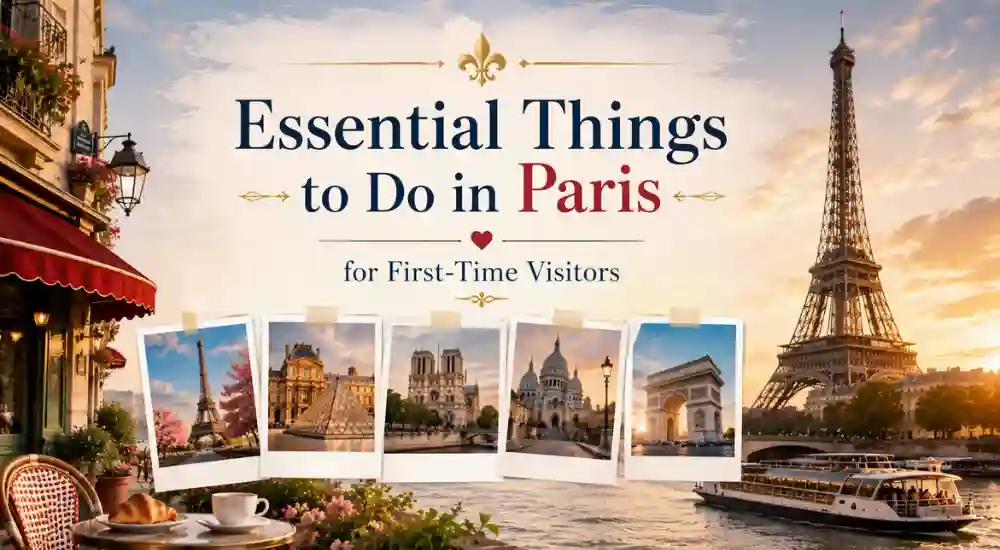
Essential Things to Do in Paris for First-Time Visitors
See the Eiffel Tower From Below and Above
No list of must-see places in Paris feels complete without the Eiffel Tower. Start at Trocadéro for a wide view, then walk through the Champ de Mars to see the iron structure from below. Access to the gardens and esplanade under the tower does not require a ticket.
Going up the tower suits visitors who want the full iconic experience. Choose the second floor for strong city views or the summit for the highest viewpoint. Book through the official ticket office because popular time slots sell quickly. Weather, safety checks, and peak demand can affect summit access.
Explore the Louvre Without Trying to See Everything
The Louvre Museum contains enough art to fill several visits, so do not try to cover every gallery. Choose a short route around the works that interest you most. You may want to see the Mona Lisa, the Winged Victory of Samothrace, ancient Egyptian objects, or the grand French painting galleries.
A focused three-hour visit usually feels more rewarding than a full day of rushing. A guided tour can help first-time visitors understand the main collection, while an audio guide gives you more freedom. The Louvre closes on Tuesdays and currently stays open later on Wednesdays and Fridays.
Take a Seine River Cruise
A Seine River cruise offers one of the easiest and most relaxing ways to enjoy Paris sightseeing. Boats pass landmarks such as the Eiffel Tower, Musée d’Orsay, Notre-Dame, the Louvre area, and several historic bridges. The ride also helps you understand how central Paris fits together.
Choose a daytime cruise for clearer architectural views or a sunset cruise for softer light and an evening atmosphere. A standard sightseeing boat gives good value, while a dinner or champagne cruise creates a more romantic experience. This activity works especially well after a walking-heavy day or when you have limited energy.
Visit Notre-Dame and Sainte-Chapelle Together
Notre-Dame and Sainte-Chapelle sit close to each other on Île de la Cité, making them easy to visit during the same morning. Notre-Dame offers free entry, although the cathedral recommends a free online reservation during busy periods. Avoid third-party websites that sell fake admission tickets because cathedral entry remains free.
Sainte-Chapelle requires a ticket, but its tall stained-glass windows make it one of the most impressive historic interiors in Paris. Add the Conciergerie, Île Saint-Louis, or a walk into the Latin Quarter when you have more time. This compact area offers several important places to visit in Paris.
Walk Through Montmartre and Visit Sacré-Cœur
Montmartre combines steep streets, small squares, cafés, art history, and some of the best free views in the city. Begin near Sacré-Cœur Basilica, then walk beyond the busy steps to find quieter lanes and old houses. Place du Tertre attracts many visitors, but the neighbourhood becomes more peaceful when you move away from the central square.
A self-guided walk works well, although a Montmartre food tour or history tour can reveal places you might otherwise miss. Wear comfortable shoes because the area has hills and stairs. Visit early in the morning for calmer streets or stay until evening for a lively atmosphere.
Climb the Arc de Triomphe
The Arc de Triomphe provides one of the best views of Paris because you can see the Eiffel Tower as part of the skyline. From the terrace, the city’s main avenues spread out in a clear star pattern, with the Champs-Élysées running toward central Paris.
Most visitors climb a long spiral staircase, so allow time and consider your mobility needs before booking. The terrace works particularly well around sunset, although evening time slots often attract more visitors. Choose the Arc de Triomphe when you want a major viewpoint but prefer to see the Eiffel Tower rather than stand on it.
Explore Le Marais
Le Marais offers a rewarding mix of history, food, galleries, shops, and attractive streets. Visit Place des Vosges, walk through the historic Jewish Quarter, browse independent boutiques, and stop at Marché des Enfants Rouges for a casual meal. The neighbourhood also contains the Musée Carnavalet, which explores the history of Paris.
You can easily spend half a day here without entering a major attraction. A Le Marais food tour suits travellers who want to taste French cheese, bread, pastries, and local dishes while learning about the district. Le Marais also provides a good option when you want enjoyable Paris activities without following a strict schedule.
Visit the Musée d’Orsay
The Musée d’Orsay gives art lovers a more manageable alternative to the Louvre. The museum focuses strongly on nineteenth- and early twentieth-century art, with works by Monet, Renoir, Van Gogh, Degas, and other major artists.
Choose Musée d’Orsay when you prefer Impressionist art or only have two or three hours for a museum. Its former railway station building adds another reason to visit. The large clock also creates one of the museum’s most recognised views. Travellers researching the best museums in Paris for first-time visitors often find the Orsay easier to enjoy than the much larger Louvre.
Walk Through the Latin Quarter
The Latin Quarter feels lively, historic, and easy to explore on foot. You can visit the Panthéon, walk along Rue Mouffetard, browse bookshops, and rest in Luxembourg Gardens. Historic churches, university buildings, cafés, and narrow streets give the area a strong sense of old Paris.
Avoid spending your whole visit on the busiest restaurant streets. Walk deeper into the neighbourhood to find quieter corners and more natural local life. The Latin Quarter works well after Notre-Dame and Sainte-Chapelle because you can cross the river without taking the Metro. It remains one of the best Paris neighbourhood walking tours for history and literature lovers.
Take a Paris Food Tour
A Paris food tour gives you more than a collection of snacks. A good local guide explains French bread, cheese, pastry, wine, markets, and neighbourhood traditions. Montmartre tours often combine food with artistic history, while Le Marais tours mix tastings with markets and historic streets.
Choose a pastry tour when you love macarons, croissants, and chocolate. Select a market or cheese-focused tour when you prefer savoury food. Travellers with more time can join a croissant cooking class in Paris, a French wine tasting, or a pastry-making class. These experiences make excellent additions to a first or repeat visit.
See the Palais Garnier
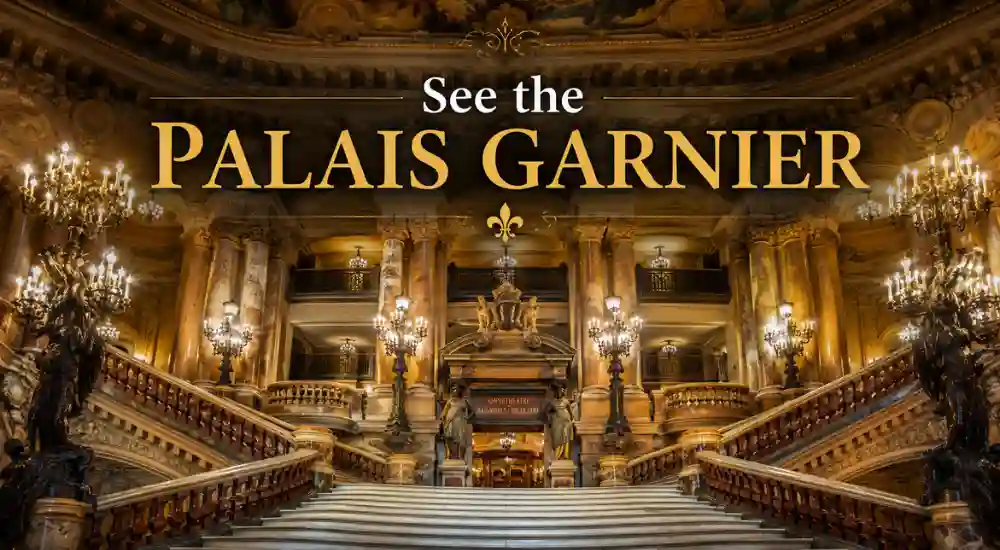
The Palais Garnier attracts visitors with its grand staircase, decorated halls, painted ceilings, and rich theatre history. You do not need to attend an opera to see the building because the Paris Opera offers self-guided and guided visits.
Reserve online before going, as the official site currently requires online booking for visits. Theatre rehearsals and performances can also close the auditorium or other areas without much warning. This means a standard visit may not include every room. Palais Garnier remains an excellent rainy-day attraction and pairs well with the Galeries Lafayette rooftop, covered passages, or shopping around the grands boulevards.
Relax in the Tuileries or Luxembourg Gardens
Paris becomes much more enjoyable when you leave room for a quiet garden. Tuileries Garden sits between the Louvre and Place de la Concorde, making it a natural break during a central Paris sightseeing day. The Luxembourg Gardens works well with the Latin Quarter, Panthéon, and Saint-Germain-des-Prés.
Use these parks for a picnic, a short rest, people-watching, or family time. They also count among the best free things to do in Paris. Instead of filling every hour with tickets and museums, spend time sitting in a garden chair and watching the city move around you. That slower moment often becomes a favourite memory.
Famous Paris Attractions That Are Actually Worth Visiting
Many touristy things to do in Paris deserve their popularity, but not every attraction suits every traveller. The Eiffel Tower, Seine cruise, Notre-Dame, Sainte-Chapelle, Montmartre, and Arc de Triomphe usually justify the time for a first visit. The Louvre feels worthwhile when you enjoy art or choose a focused route.
Other attractions depend on personal taste. The Moulin Rouge suits travellers who enjoy cabaret, while the Catacombs appeal to visitors interested in unusual history. Shopping along the Champs-Élysées may disappoint people seeking local character. Ask what you genuinely enjoy instead of following every “must-do” list.
Best Museums in Paris
The best museums in Paris cover far more than the Louvre. Visit Musée d’Orsay for Impressionist art, Musée de l’Orangerie for Monet’s Water Lilies, Musée Rodin for sculpture and gardens, and Musée Picasso for modern art. Musée de l’Armée and Les Invalides suit military-history visitors, while Musée Carnavalet explains the history of Paris.
Smaller museums often provide a calmer experience with shorter queues. The permanent collections at many museums managed by the City of Paris remain free, including Musée Carnavalet and the City of Paris Museum of Modern Art. Temporary exhibitions may still require paid tickets or reservations.
Best Paris Neighbourhoods to Explore
The best neighbourhoods in Paris offer different experiences. Choose Montmartre for hillside streets and views, Le Marais for food and shopping, and the Latin Quarter for history and books. Saint-Germain-des-Prés works well for cafés, galleries, and easy access to Luxembourg Gardens.
Repeat visitors may enjoy Canal Saint-Martin, Belleville, Batignolles, Butte-aux-Cailles, or Rue Montorgueil. These areas feel less focused on major monuments and give you more time to enjoy everyday Paris. Do not rush through several neighbourhoods in one afternoon. Pick one area, walk slowly, stop for food, and let the streets become part of the activity.
Best Paris Experiences Beyond the Major Landmarks
Some of the most memorable Paris experiences happen away from famous monuments. Join a bike tour along the Seine, take a vintage sidecar ride, visit a food market, or attend a French cooking class. You can also book a wine and cheese tasting, a literary walk, a French Revolution tour, or a World War II history tour.
At night, consider a jazz club, a theatre performance, or a cabaret show. Art lovers may enjoy an immersive exhibition or a specialist museum tour. These fun things to do in Paris add personal interest to your itinerary and prevent the trip from becoming a simple landmark checklist.

Free Things to Do in Paris
You can enjoy many free Paris attractions without sacrificing quality. Walk along the Seine, visit Sacré-Cœur, enter Notre-Dame, relax in Luxembourg Gardens, explore Père Lachaise Cemetery, and enjoy the rooftop view at Galeries Lafayette. Place des Vosges, Canal Saint-Martin, covered passages, and the streets of Montmartre also cost nothing.
Several City of Paris museums offer free access to their permanent collections. Other museums and monuments provide free entry on selected days, during certain months, or for qualifying age groups. Because these rules vary, always confirm the conditions before visiting instead of relying on an old travel article.
Unique and Non-Touristy Things to Do in Paris
Look beyond the main landmarks to find unusual things to do in Paris. Walk through the nineteenth-century covered passages, explore Belleville’s street art, follow part of the Petite Ceinture, or visit the raised Coulée Verte René-Dumont. Parc des Buttes-Chaumont also offers hills, paths, and a different atmosphere from the formal central gardens.
Smaller museums such as Musée de la Vie Romantique and Musée Carnavalet give you cultural depth without the scale of the Louvre. Local food markets, Canal de l’Ourcq, and Butte-aux-Cailles can also suit visitors searching for non-touristy things to do in Paris and quieter neighbourhood experiences.
Things to Do in Paris at Night
The city changes character after sunset, creating many enjoyable things to do in Paris at night. Watch the Eiffel Tower lights from Trocadéro or the Seine riverbank, take an evening cruise, or see the skyline from the Arc de Triomphe. You can also attend an opera, ballet, cabaret, concert, or jazz performance.
Several museums offer late-opening evenings on selected days, including the Louvre on Wednesdays and Fridays. Evening museum visits can feel calmer than busy afternoon sessions, although special exhibitions may still require reservations. Check the current schedule because evening hours vary between venues and may change seasonally.
Things to Do in Paris When It Rains
Rain does not need to spoil your plans. The best things to do in Paris when it rains include visiting the Louvre, Musée d’Orsay, Sainte-Chapelle, Palais Garnier, or Atelier des Lumières. You can also explore covered passages, shop inside historic department stores, or spend time in a traditional café.
A cooking class, pastry workshop, wine tasting, or indoor food tour provides a more active alternative to museums. Keep one or two indoor options in your itinerary instead of booking every rainy-day attraction in advance. Paris weather can change quickly, so a flexible plan lets you move outdoor walks to clearer hours.
Romantic Things to Do in Paris
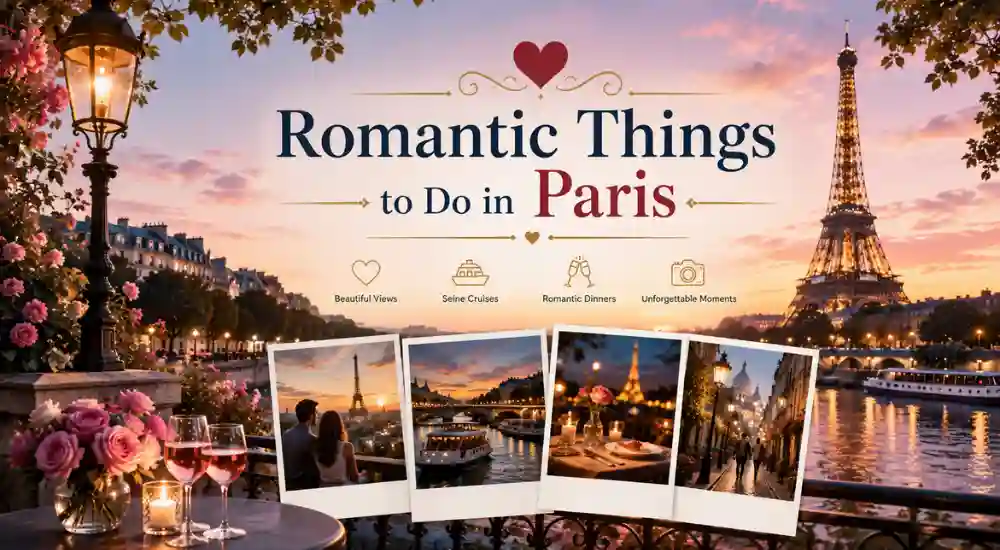
A sunset Seine cruise remains one of the most romantic things to do in Paris, but couples have many quieter options. Walk along Île Saint-Louis, watch the Eiffel Tower from the riverbank, explore Montmartre in the morning, or share a picnic in Luxembourg Gardens.
You can also book a wine tasting, visit Palais Garnier, enjoy a rooftop dinner, or walk across the Seine bridges after dark. Avoid trying to make every moment expensive or highly planned. Paris often feels most romantic during simple experiences, such as sharing pastries on a park bench or walking through a peaceful neighbourhood without checking the time.
Things to Do in Paris With Kids
Families can build a varied list of things to do in Paris with kids. A Seine cruise gives tired children a break, while the Eiffel Tower creates an exciting first landmark. Luxembourg Gardens, Jardin d’Acclimatation, natural-history exhibits, science museums, puppet shows, and family cooking classes provide more active options.
Choose fewer attractions per day and leave room for parks, snacks, and rest. Young children may not enjoy several hours inside the Louvre, but a short treasure-hunt visit can make the museum more engaging. Paris’s official tourism resources cover museums, outdoor activities, shows, and attractions designed for families of different ages.
Best Day Trips From Paris
The Palace of Versailles remains one of the most popular day trips from Paris. The estate includes the palace, gardens, park, and Trianon area, so allow most of a day rather than treating it as a quick stop. The palace normally closes on Mondays, while different parts of the estate follow separate schedules.
Other strong options include Giverny for Monet’s house and gardens, Champagne for cellar tours and tastings, Disneyland Paris for families, and Fontainebleau for another royal palace. Mont Saint-Michel looks beautiful, but its distance makes an overnight stay more comfortable than a rushed day trip.
How to Group Paris Attractions by Area
A neighbourhood-based Paris itinerary saves time and reduces unnecessary Metro journeys. Near the Eiffel Tower, combine Trocadéro, Champ de Mars, Rue Cler, and a Seine cruise. Around the Louvre, add Palais-Royal, Tuileries Garden, Place de la Concorde, and Musée de l’Orangerie.
On Île de la Cité, visit Notre-Dame, Sainte-Chapelle, the Conciergerie, and the Latin Quarter. Pair the Arc de Triomphe with the Champs-Élysées and Parc Monceau. Keep Montmartre and Sacré-Cœur together during one half-day. A simple Paris attractions map can help you see which places sit near each other before you book timed tickets.
What to Do in Paris on Monday or Tuesday
Museum closure days can disrupt an otherwise good itinerary. The Louvre closes on Tuesday, while the Palace of Versailles closes on Monday. Other cultural sites follow their own weekly schedules, so never assume that every museum closes on the same day.
On closure days, choose outdoor Paris activities such as Montmartre, Le Marais, the Seine riverbanks, gardens, markets, or a neighbourhood walk. Seine cruises, the Eiffel Tower, churches, and many private attractions may still operate. Check each official website before finalising your route, especially around public holidays and special events.
What to Do When an Attraction Is Sold Out or Closed
A sold-out attraction does not need to ruin your day. When Eiffel Tower tickets disappear, choose the Arc de Triomphe, Montparnasse Tower, or a free viewpoint. When the Louvre has no suitable entry time, visit Musée d’Orsay, Musée de l’Orangerie, Musée Rodin, or a smaller City of Paris museum.
Replace a cancelled Seine cruise with a walk along the riverbanks. Choose Père Lachaise or Musée Carnavalet when Catacombs tickets sell out. If Versailles closes or transport problems affect your trip, spend the day exploring several Paris neighbourhoods. Keep a short backup list so you can change plans without stress.
Where to Rest, Refill Water, and Take a Break
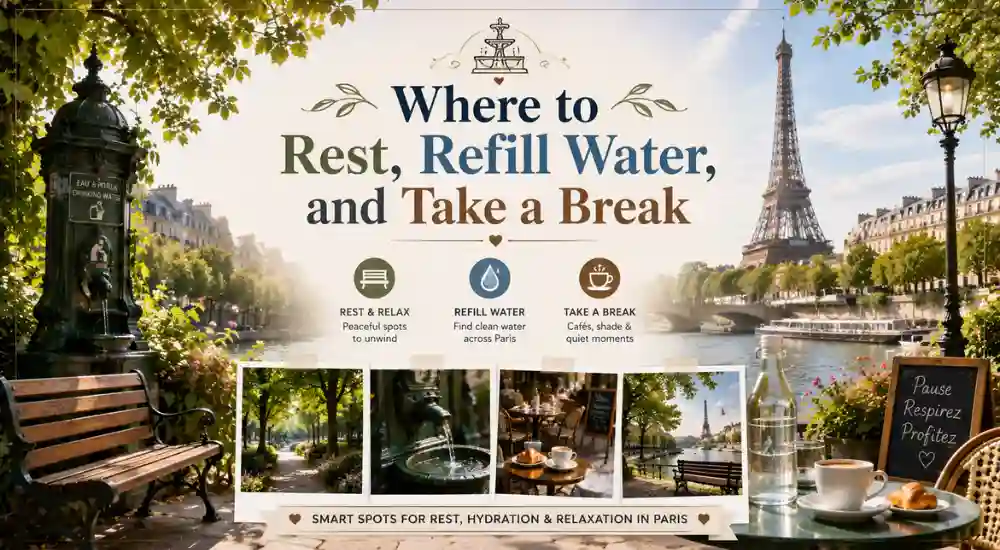
Paris sightseeing involves more walking than many first-time visitors expect. Build short breaks into your day instead of waiting until everyone feels tired. Gardens such as the Tuileries and Luxembourg Gardens offer seats and picnic spaces. Department stores, museum cafés, churches, covered passages, and indoor markets can provide shelter during rain or heat.
Carry a refillable bottle and check official city maps for public water points and toilets. Keep small coins or a payment card available because some facilities may charge a fee. A planned thirty-minute break often helps you enjoy the next attraction more than squeezing in another rushed landmark.
How to Experience Paris Responsibly
Plan neighbourhood-based days so you spend less time crossing the city and more time supporting local areas. Walk, cycle, or use public transport where practical. Carry a reusable water bottle, shop at local markets, and choose independent restaurants or locally operated walking tours.
Respect churches, memorials, residential streets, and photography rules. Avoid blocking pavements or doorways while taking pictures, especially in small neighbourhoods. Do not leave locks, marks, or litter on bridges and public spaces. Paris tourism authorities promote walking, cycling, public transport, local products, responsible accommodation, and lower-impact activities as part of more sustainable travel.
Practical Tips for Planning Paris Activities
Decide what to book in advance in Paris before you build your daily route. Reserve the Eiffel Tower, Louvre, Sainte-Chapelle, popular food tours, and special performances first. Leave gardens, neighbourhood walks, cafés, and free viewpoints flexible.
Do not schedule more than two major attractions in one day. Allow travel time, security checks, queues, meals, and unexpected closures. Compare the Paris Museum Pass with individual ticket costs based on the places you genuinely plan to enter. Check accessibility information when anyone in your group has limited mobility. Finally, save tickets offline and review official opening information the evening before each visit.
Frequently Asked Questions
What should I not miss on my first trip to Paris?
First-time visitors should prioritise the Eiffel Tower, Louvre Museum, Seine cruise, Notre-Dame, Sainte-Chapelle, Montmartre, and Arc de Triomphe. Add Le Marais or the Latin Quarter when you have at least three days. These places provide a balanced introduction to Parisian art, history, architecture, views, and neighbourhood life.
How many days do you need in Paris?
Three days allow you to see several major Paris attractions, but four or five days create a more comfortable trip. With five days, you can add smaller museums, food experiences, local neighbourhoods, and a day trip. A one- or two-day visit requires strong priorities and geographical planning.
What Paris attractions should I book in advance?
Book the Eiffel Tower, Louvre Museum, Sainte-Chapelle, popular Seine dinner cruises, Catacombs, Palais Garnier visits, and guided food tours early. Versailles also deserves advance planning. Always use official ticket websites or clearly authorised sellers, especially for attractions that warn visitors about fake tickets.
Is the Eiffel Tower summit worth visiting?
The summit suits first-time visitors who want the full iconic experience and do not mind queues or higher ticket costs. The second floor still provides excellent views and may feel less tiring. Choose the Arc de Triomphe when you prefer a skyline view that includes the Eiffel Tower itself.
Is the Louvre worth visiting if I do not love art?
The Louvre can still feel worthwhile for its palace interiors, history, ancient objects, and famous works. However, do not force yourself into a long visit. Choose a focused route or guided tour. Musée d’Orsay, Musée de l’Orangerie, Palais Garnier, or Musée Carnavalet may better suit your interests.
What are the best free things to do in Paris?
Top free activities include walking along the Seine, visiting Notre-Dame and Sacré-Cœur, exploring Montmartre and Le Marais, relaxing in city gardens, seeing the Galeries Lafayette rooftop view, and visiting free permanent collections in participating City of Paris museums.
What are the best things to do in Paris at night?
Watch the Eiffel Tower lights, take a Seine night cruise, see Paris from the Arc de Triomphe, attend a cabaret or jazz show, or visit a museum during a late-opening evening. A simple walk along the Seine also provides a memorable and low-cost evening.
Which Paris attractions are close to each other?
Notre-Dame, Sainte-Chapelle, and the Latin Quarter form one easy group. The Louvre, Palais-Royal, Tuileries, and Orangerie form another. Combine the Eiffel Tower with Trocadéro and a Seine cruise, while Montmartre and Sacré-Cœur fit naturally into the same half-day route.
Final Thoughts
The best Paris trip does not depend on visiting every famous attraction. It depends on choosing the Paris experiences that match your interests, budget, energy, and available time. First-time visitors should focus on major landmarks, while repeat travellers can explore smaller museums, local markets, quiet neighbourhoods, and unusual activities.
Plan carefully, but do not control every hour of your day. Some of the most memorable moments may come from a riverside walk, a bakery visit, or a peaceful garden break. Use this guide to build a balanced itinerary and enjoy Paris at a comfortable pace.