
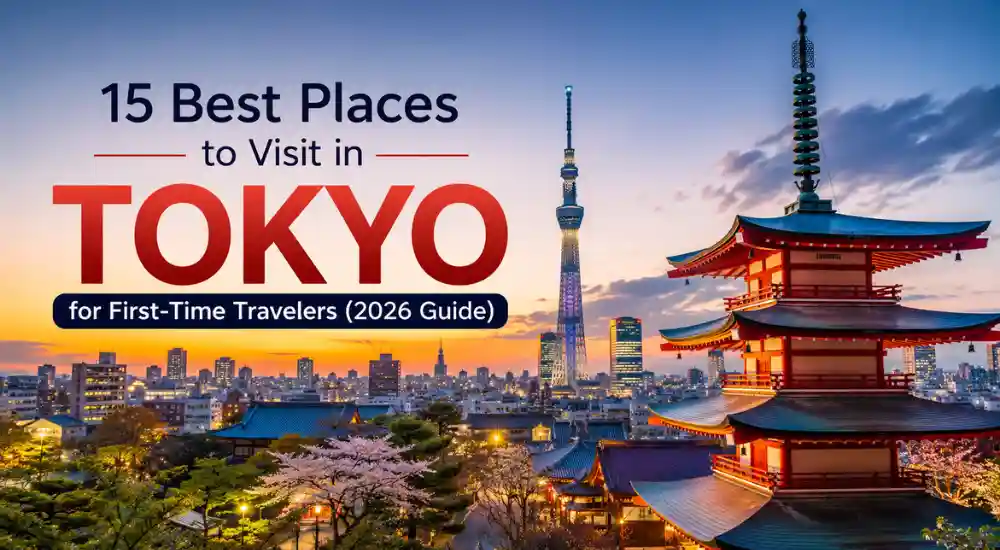
Tokyo is a city of contrasts. Ancient temples stand beside futuristic skyscrapers, quiet gardens sit minutes from bustling shopping districts, and centuries-old traditions continue to thrive in one of the world’s most technologically advanced cities.
For travelers planning a trip to Japan, Tokyo is often the starting point. The city offers an incredible mix of culture, food, entertainment, history, shopping, and outdoor experiences. Whether you’re interested in famous landmarks, hidden neighborhoods, family attractions, anime culture, or world-class dining, you’ll find countless things to do in Tokyo, Japan.
One of Tokyo’s greatest strengths is its diversity. Every neighborhood feels like a different destination, making it easy to customize your itinerary based on your interests and travel style.
Quick Answer: What Are the Best Places to Visit in Tokyo?
If you’re visiting Tokyo for the first time, these destinations deserve a place on your itinerary:
- Asakusa for traditional culture and historic temples
- Shibuya for modern city energy and iconic attractions
- Shinjuku for nightlife, entertainment, and skyline views
- Ginza for luxury shopping and fine dining
- Harajuku for fashion, street culture, and Meiji Shrine
- Akihabara for anime, manga, gaming, and electronics
- Ueno Park for museums, nature, and family activities
- Odaiba for waterfront attractions and entertainment
- Tokyo Skytree for panoramic city views
- Meiji Shrine for one of Tokyo’s most important spiritual sites
These destinations showcase the best of both historic and modern Tokyo while providing a well-rounded introduction to the city.
Best Tokyo Neighborhoods at a Glance
| Neighborhood | Best For | Time Needed | Budget |
| Asakusa | Culture & History | Half Day | $ |
| Shibuya | First-Time Visitors | Half Day | $$ |
| Shinjuku | Nightlife & Entertainment | Half Day | $$ |
| Ginza | Luxury Shopping | Half Day | $$$ |
| Ueno | Museums & Families | Half Day | $ |
| Harajuku | Fashion & Youth Culture | Half Day | $$ |
| Akihabara | Anime & Gaming | Half Day | $$ |
| Odaiba | Families & Couples | Full Day | $$ |
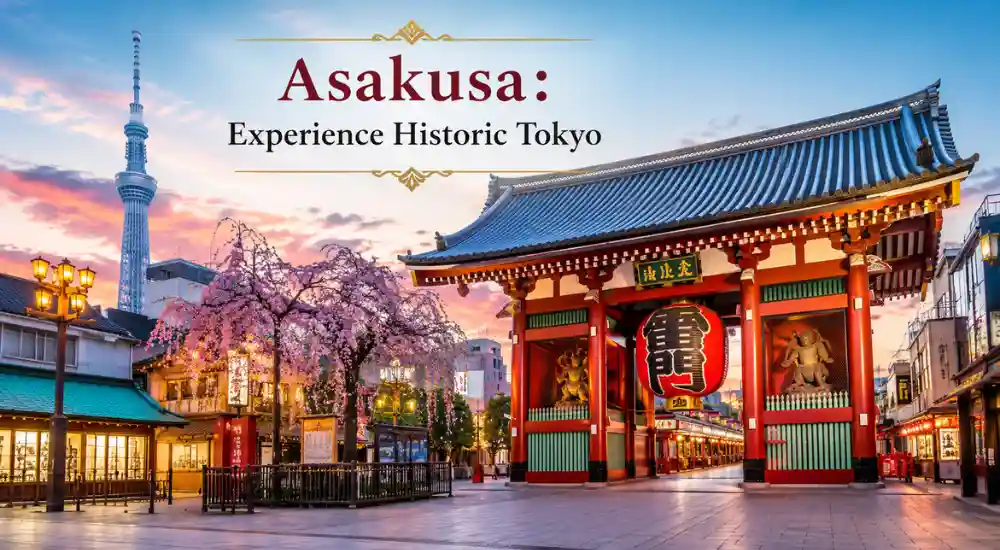
Asakusa: Experience Historic Tokyo
Among all the places to see in Tokyo, Asakusa offers one of the strongest connections to Japan’s past.
The district is centered around Senso-ji, Tokyo’s oldest Buddhist temple and one of the most visited landmarks in Japan. Walking through Asakusa feels completely different from exploring modern districts like Shibuya or Shinjuku.
Top Things to Do in Asakusa
- Visit Senso-ji Temple before crowds arrive
- Walk through Nakamise Shopping Street
- Sample traditional Japanese snacks
- Explore the Sumida River waterfront
- Visit local craft and souvenir shops
- Discover smaller temples nearby
- Take photos after sunset when the temple is illuminated
- Attend seasonal cultural festivals
Local Insight
Many travelers only spend an hour in Asakusa. In reality, this neighborhood deserves at least half a day. Some of the most memorable experiences are found in the quieter side streets behind the main temple area.
Nearby Attractions
- Tokyo Skytree
- Sumida Park
- Asakusa Culture Tourist Information Center
- Don Quijote Asakusa
Shibuya: The Symbol of Modern Tokyo
When people imagine Tokyo’s fast-paced energy, they are usually picturing Shibuya.
Home to Shibuya Crossing, giant digital billboards, fashion stores, and rooftop observation decks, Shibuya represents modern urban Japan at its most exciting.
Must-See Attractions in Shibuya
Shibuya Crossing
One of the most famous intersections in the world and a defining symbol of Tokyo.
Hachiko Statue
A beloved landmark honoring Japan’s most famous dog.
Shibuya Sky
Many travelers consider this the best observation deck in Tokyo thanks to its open-air rooftop views.
Miyashita Park
A modern shopping and entertainment complex featuring restaurants, rooftop areas, and public spaces.
Best Time to Visit
Visit during late afternoon and stay through sunset. You’ll experience the district in daylight and after dark when the neon lights transform the cityscape.
Best For
- First-time visitors
- Photography lovers
- Food enthusiasts
- Nightlife seekers
- Shopping fans
Shinjuku: Tokyo’s Entertainment and Transportation Hub
Shinjuku combines nightlife, shopping, gardens, dining, and transportation into one of Tokyo’s most dynamic districts.
It is also home to one of the busiest railway stations in the world, making it a convenient base for exploring the city.
Top Attractions in Shinjuku
Shinjuku Gyoen National Garden
One of Tokyo’s most beautiful green spaces and a popular cherry blossom viewing location.
Tokyo Metropolitan Government Building
Offers free observation decks with impressive views of the Tokyo skyline.
Golden Gai
A historic collection of narrow alleyways lined with tiny bars and restaurants.
Kabukicho
Tokyo’s best-known entertainment district.
Travel Tip
Allow extra time when navigating Shinjuku Station. Even experienced travelers occasionally get lost because of its size and complexity.
Why Stay in Shinjuku?
- Excellent transportation access
- Wide hotel selection
- Convenient dining options
- Easy connections to major attractions
- Vibrant nightlife
Ginza: Luxury Shopping and Fine Dining
Ginza is often considered Tokyo’s most sophisticated district.
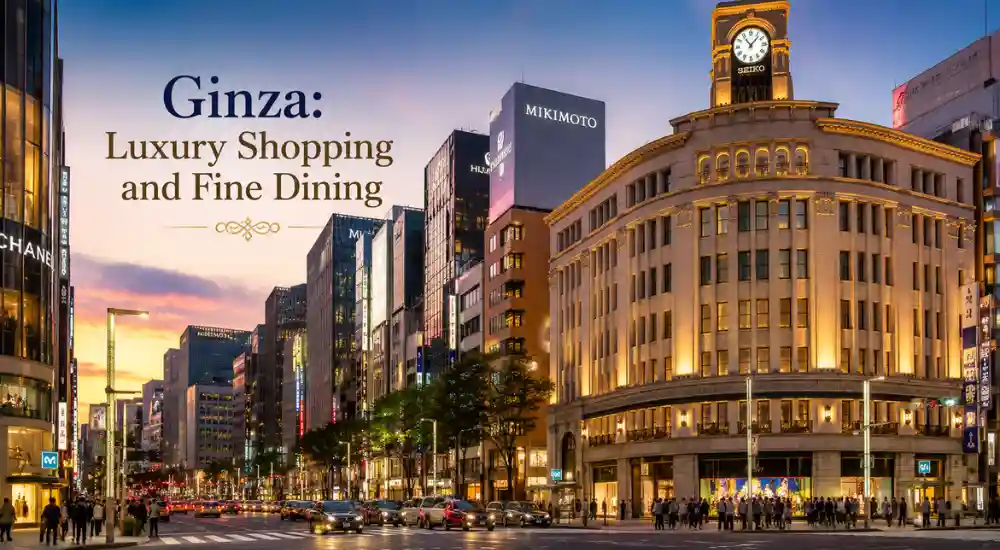
Known for luxury boutiques, department stores, premium restaurants, and elegant architecture, it offers a very different atmosphere from the youthful energy of Shibuya or Harajuku.
Why Visit Ginza?
- Browse flagship designer stores
- Explore world-famous department stores
- Enjoy Michelin-recognized dining
- Discover high-end Japanese confectionery
- Visit contemporary art galleries
- Experience refined city culture
Hidden Gem
The basement food halls inside Ginza’s department stores are among the best places in Tokyo to sample premium Japanese foods, sweets, and regional specialties.
Best For
- Luxury travelers
- Food lovers
- Couples
- Repeat visitors
Harajuku and Meiji Shrine
Few places in Tokyo demonstrate the city’s contrasts better than Harajuku.
Within minutes, you can move from fashion boutiques and colorful street culture to the peaceful forested grounds of Meiji Shrine.
Top Things to Do
- Walk along Takeshita Street
- Visit Meiji Shrine
- Explore Omotesando Avenue
- Discover independent fashion stores
- Enjoy themed cafes
- Visit Yoyogi Park nearby
- Explore hidden backstreets
Why Harajuku Is Worth Visiting
Harajuku offers one of the most unique combinations of youth culture, fashion, spirituality, and urban design anywhere in Japan.
Photography Opportunities
- Traditional shrine gates
- Forest pathways
- Fashion street scenes
- Modern architecture
- Seasonal flowers
Tokyo Travel Planning Tips
Before exploring the rest of Tokyo, keep these practical tips in mind:
Purchase a Transit Card
Using a rechargeable transportation card makes moving around the city much easier.
Stay Near a Train Station
A hotel within walking distance of a station can save significant time every day.
Allow More Time Than Expected
Tokyo attractions often look close on a map but can require longer travel times due to station navigation and walking distances.
Visit Popular Attractions Early
Many famous sites become crowded by mid-morning.
Wear Comfortable Shoes
You will likely walk far more than expected during your visit.
Akihabara: The Ultimate Anime and Gaming Destination
For fans of anime, manga, gaming, collectibles, and Japanese pop culture, Akihabara is one of the most exciting places to visit in Tokyo.
Often called “Electric Town,” Akihabara evolved from an electronics district into the global center of anime and gaming culture. Even travelers who aren’t dedicated fans often enjoy the district’s energy, colorful storefronts, and unique attractions.

Top Things to Do in Akihabara
- Browse multi-story anime and manga stores
- Explore gaming arcades
- Visit retro video game shops
- Discover collectible figure stores
- Experience themed cafes
- Shop for electronics and gadgets
- Explore hobby and model stores
- Visit capsule toy centers
Who Should Visit?
Akihabara is ideal for:
- Anime fans
- Gamers
- Technology enthusiasts
- Families with teenagers
- Collectors
- Pop culture lovers
Insider Tip
Many visitors focus only on the main street. Some of the best retro gaming stores and collectible shops are hidden in upper-floor buildings and side streets.
Ueno Park: Culture, Nature, and Family-Friendly Attractions
Among Tokyo’s many parks, Ueno Park offers one of the best combinations of history, culture, nature, and family entertainment.
The park serves as a cultural center containing museums, gardens, and one of Japan’s most visited zoos.
Top Attractions in Ueno Park
Tokyo National Museum
Japan’s oldest and largest museum, featuring important historical artifacts and cultural treasures.
National Museum of Nature and Science
Excellent for families and anyone interested in science and natural history.
Ueno Zoo
Japan’s oldest zoo and a popular destination for families.
Shinobazu Pond
A scenic area that offers beautiful photography opportunities throughout the year.
Best Time to Visit
- Spring for cherry blossoms
- Autumn for colorful foliage
- Weekday mornings for fewer crowds
Why Families Love Ueno
The combination of museums, open spaces, wildlife, and cultural attractions makes Ueno one of Tokyo’s most family-friendly districts.
Odaiba: Tokyo’s Waterfront Entertainment District
Located on Tokyo Bay, Odaiba offers a completely different atmosphere from central Tokyo.
Wide walkways, waterfront views, entertainment complexes, and family attractions make it one of the city’s most enjoyable destinations for a relaxed day of sightseeing.
Top Things to Do in Odaiba
- Enjoy views of Rainbow Bridge
- Walk along the waterfront promenade
- Explore shopping and entertainment centers
- Visit interactive attractions
- Enjoy sunset photography
- Take evening skyline photos
- Ride the Yurikamome Line
- Visit family-friendly attractions
Why Odaiba Is Unique
Unlike Tokyo’s dense urban districts, Odaiba feels open and spacious. It is particularly enjoyable for families, couples, and photographers.
Best Time to Visit
Late afternoon through evening provides the best combination of waterfront scenery, sunset views, and nighttime city lights.
Tokyo Skytree vs Tokyo Tower: Which Should You Visit?
One of the most common questions travelers ask is whether to visit Tokyo Skytree or Tokyo Tower.
Comparison Overview
| Feature | Tokyo Skytree | Tokyo Tower |
| Height | Higher | Lower |
| Observation Views | Wider | Classic Tokyo Views |
| Family Attractions | Excellent | Good |
| Photography | Excellent | Excellent |
| Modern Experience | Strong | Moderate |
| Historic Appeal | Moderate | Strong |
Choose Tokyo Skytree If:
- You want the highest views
- You’re traveling with family
- You want shopping and entertainment nearby
- You hope to see Mount Fuji on a clear day
Choose Tokyo Tower If:
- You prefer historic landmarks
- You enjoy classic city views
- You want a more traditional Tokyo experience
Recommendation
For most first-time visitors, Tokyo Skytree offers the most impressive panoramic experience.
Hidden Gems Most Tourists Miss
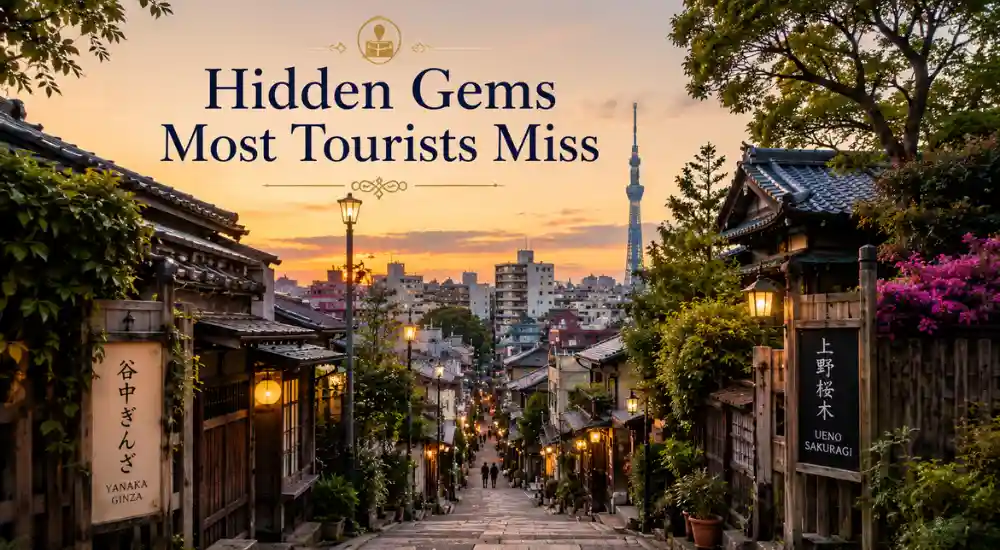
Beyond the famous landmarks, some of Tokyo’s most memorable experiences can be found in lesser-known neighborhoods.
Yanaka
One of the few districts that survived major historical events and still preserves an old Tokyo atmosphere.
Highlights include:
- Traditional streets
- Historic temples
- Small cafes
- Artisan shops
Koenji
A favorite among locals known for:
- Vintage clothing stores
- Live music venues
- Independent cafes
- Creative culture
Kagurazaka
A charming district with:
- Stone pathways
- Traditional restaurants
- Hidden alleys
- Historic character
Kiyosumi Shirakawa
Perfect for travelers interested in:
- Specialty coffee
- Photography
- Modern art
- Relaxed local experiences
Why Explore Hidden Neighborhoods?
They provide a more authentic view of everyday Tokyo and often become travelers’ favorite discoveries.
Best Things to Do in Tokyo, Japan
If you’re building a Tokyo must-do list, these experiences deserve consideration.
Tokyo Bucket List
- Visit Senso-ji Temple
- Cross Shibuya Crossing
- Explore Shinjuku at night
- Visit Meiji Shrine
- Enjoy city views from Tokyo Skytree
- Experience Harajuku fashion culture
- Explore Akihabara
- Walk through Ueno Park
- Visit Odaiba
- Try authentic sushi
- Explore local markets
- Experience Japanese convenience stores
- Visit a traditional Japanese garden
- Take a day trip from Tokyo
- Ride the Yamanote Line around the city
Most Popular Tokyo Landmarks
- Senso-ji
- Tokyo Skytree
- Tokyo Tower
- Meiji Shrine
- Shibuya Crossing
Where to Stay in Tokyo
Choosing the right neighborhood can dramatically improve your trip.
Best Areas for First-Time Visitors
Shinjuku
Best for:
- Convenience
- Transportation
- Nightlife
- Dining
Shibuya
Best for:
- Modern Tokyo experiences
- Shopping
- Entertainment
- Young travelers
Ueno
Best for:
- Budget-conscious travelers
- Families
- Museum access
Ginza
Best for:
- Luxury travel
- Fine dining
- Upscale shopping
Tokyo Station Area
Best for:
- Business travelers
- Day trips
- Transportation connections
Hotel Booking Advice
- Book early during cherry blossom season
- Reserve early during autumn foliage season
- Stay near major train stations whenever possible
- Compare walking distance to transportation before booking
Tokyo Areas by Travel Style
| Travel Style | Recommended Area |
| First-Time Visitor | Shibuya |
| Family Travel | Ueno |
| Luxury Travel | Ginza |
| Nightlife | Shinjuku |
| Budget Travel | Ueno |
| Food Lovers | Ginza |
| Shopping | Shibuya |
| Culture & History | Asakusa |
Tokyo Travel Itinerary Ideas
One of the most common questions travelers ask is how many days they should spend in Tokyo. The answer depends on your interests, but most visitors find that 4–7 days provides enough time to experience the city’s major attractions while still leaving room for day trips and local discoveries.
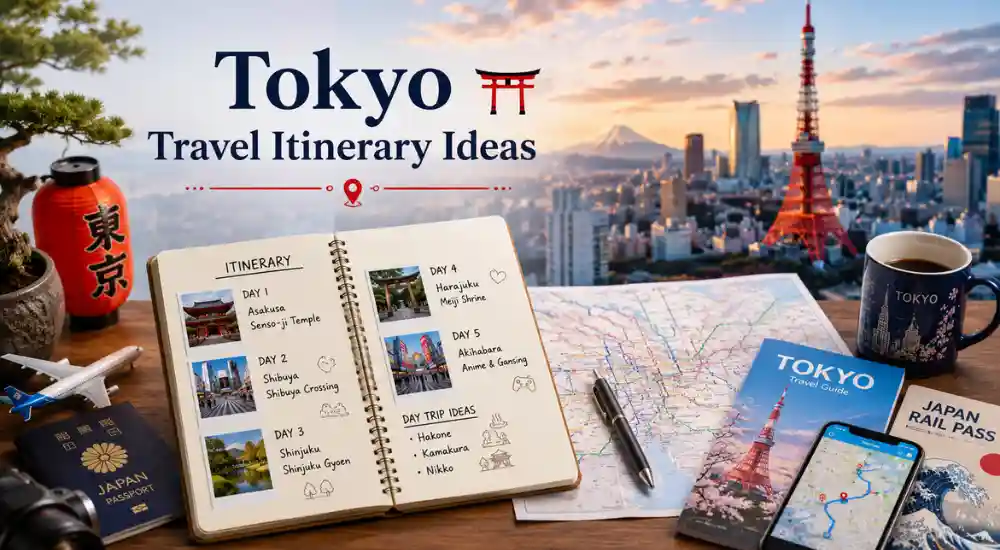
3-Day Tokyo Itinerary
If you’re visiting Tokyo as part of a broader Japan trip, three days can cover many of the city’s highlights.
Day 1: Traditional and Modern Tokyo
- Explore Asakusa and Senso-ji Temple
- Walk through Nakamise Shopping Street
- Visit Tokyo Skytree
- End the evening in Shibuya
Day 2: Culture and City Views
- Visit Meiji Shrine
- Explore Harajuku and Omotesando
- Walk through Shinjuku Gyoen
- Experience Shinjuku nightlife
Day 3: Museums and Entertainment
- Visit Ueno Park
- Explore Akihabara
- Enjoy dinner in Ginza
5-Day Tokyo Itinerary
In five days, you can experience Tokyo at a more relaxed pace.
Add:
- Odaiba waterfront attractions
- Hidden neighborhoods like Yanaka
- Additional museums
- Food tours
- Shopping districts
7-Day Tokyo Itinerary
Seven days allow you to explore Tokyo more deeply.
Include:
- A day trip to Hakone
- A day trip to Kamakura
- Multiple neighborhoods
- Traditional gardens
- Specialty shopping districts
- Seasonal attractions
Recommended Trip Length
| Traveler Type | Recommended Days |
| First-Time Visitors | 5–7 Days |
| Families | 6–8 Days |
| Solo Travelers | 4–6 Days |
| Food Lovers | 5–7 Days |
| Culture Enthusiasts | 6–8 Days |
Transportation Guide for First-Time Visitors
Tokyo’s transportation network is one of the most efficient in the world. Although the city appears overwhelming at first, most travelers quickly learn how easy it is to navigate.
Best Ways to Get Around Tokyo
Trains
The rail network is the fastest and most convenient way to explore the city.
The most useful line for visitors is the Yamanote Line, which connects many major attractions.
Subway
Tokyo’s subway system complements the train network and reaches areas not served by major rail lines.
Walking
Many neighborhoods are highly walkable once you arrive.
Popular areas for walking include:
- Asakusa
- Ginza
- Harajuku
- Ueno
- Shibuya
Taxis
Taxis are safe and reliable but more expensive than public transportation.
Transportation Tips
- Purchase a rechargeable transit card
- Download offline maps
- Avoid rush hour when possible
- Allow extra time at large stations
- Keep your hotel near a train station
Common Tourist Mistake
Many visitors underestimate station walking times. A station may appear close on a map but still require a lengthy walk through platforms and exits.
Typical Travel Budget for Tokyo
Tokyo has a reputation for being expensive, but it can accommodate many travel styles.
Budget Traveler
$70–120 per day
Includes:
- Budget accommodation
- Public transportation
- Casual dining
- Free attractions
Mid-Range Traveler
$150–300 per day
Includes:
- Comfortable hotels
- Restaurant meals
- Observation decks
- Moderate shopping
Luxury Traveler
$400+ per day
Includes:
- Premium hotels
- Fine dining
- Private tours
- Luxury shopping
Budget-Saving Tips
- Use trains instead of taxis
- Stay slightly outside major tourist districts
- Visit free observation decks
- Eat at local restaurants
- Purchase convenience-store breakfasts
Best Time to Visit Tokyo
Tokyo is a year-round destination, but each season offers a different experience.
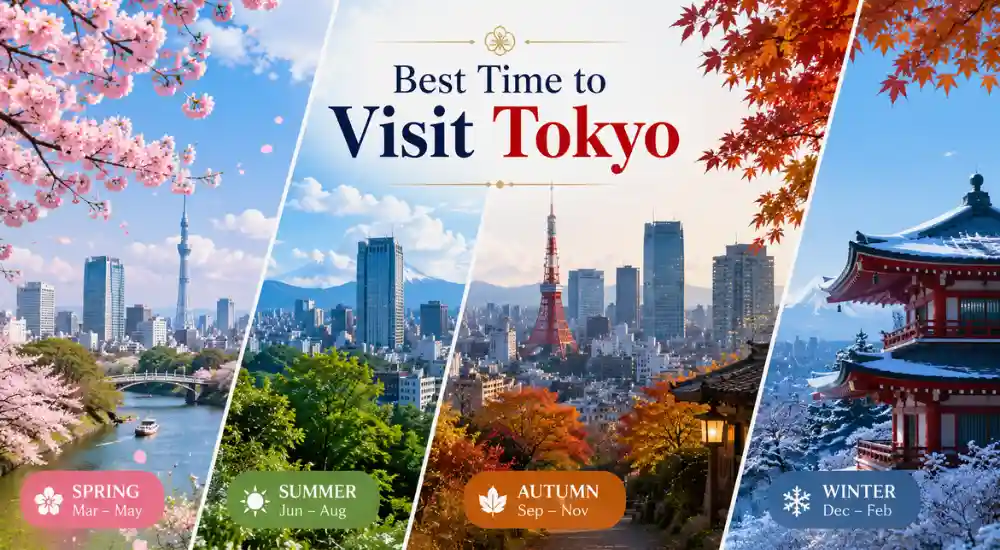
Spring (March–May)
Spring is one of the most popular times to visit.
Highlights include:
- Cherry blossoms
- Comfortable temperatures
- Seasonal festivals
- Beautiful parks
Summer (June–August)
Summer brings:
- Fireworks festivals
- Long daylight hours
- Vibrant city events
Challenges include:
- Heat
- Humidity
- Larger crowds
Autumn (September–November)
Many experienced travelers consider autumn the best season.
Benefits include:
- Pleasant temperatures
- Colorful foliage
- Excellent sightseeing conditions
Winter (December–February)
Winter offers:
- Lower hotel prices
- Fewer crowds
- Seasonal illuminations
- Clear views of Mount Fuji
Best Season Comparison
| Season | Best For |
| Spring | Cherry Blossoms |
| Summer | Festivals |
| Autumn | General Sightseeing |
| Winter | Budget Travel |
Best Day Trips From Tokyo
One reason Tokyo is such an excellent base is its easy access to other destinations.
Kamakura
Known for:
- Great Buddha
- Historic temples
- Coastal scenery
Travel Time: About 1 hour
Hakone
Famous for:
- Hot springs
- Mountain landscapes
- Views of Mount Fuji
Travel Time: About 90 minutes
Nikko
Known for:
- UNESCO-listed shrines
- Forest scenery
- Historic architecture
Travel Time: About 2 hours
Yokohama
Highlights include:
- Waterfront attractions
- Shopping
- Dining
- Modern architecture
Travel Time: About 30 minutes
Tokyo for Families
Tokyo is one of the most family-friendly major cities in the world.
Parents often appreciate:
- Clean public spaces
- Efficient transportation
- Safe environment
- Family facilities
Family-Friendly Attractions
- Ueno Zoo
- Odaiba
- Aquariums
- Science museums
- Public parks
- Observation decks
Family Travel Tips
- Schedule breaks during busy sightseeing days
- Use stroller-accessible station routes
- Stay near train stations
- Carry snacks and water
- Prioritize indoor attractions during rainy weather
Tokyo for Solo Travelers
Tokyo consistently ranks among the world’s most comfortable cities for solo travel.
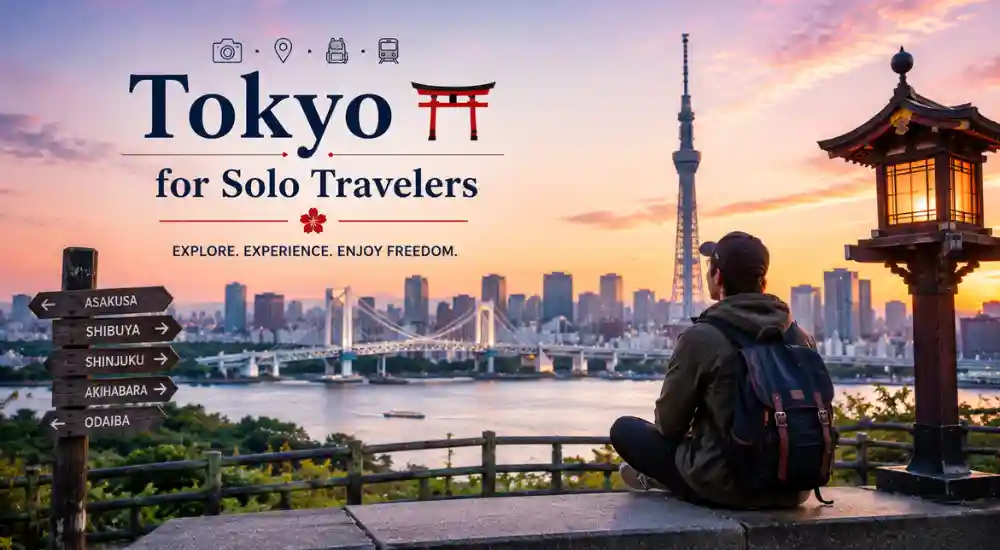
The city combines safety, convenience, and endless opportunities for exploration.
Why Solo Travelers Love Tokyo
- Excellent public transportation
- Safe neighborhoods
- Easy dining options
- Walkable districts
- Abundant accommodations
Best Areas for Solo Travelers
- Shibuya
- Shinjuku
- Ueno
- Asakusa
Solo Travel Advice
Don’t try to see everything. Focus on a few neighborhoods each day and allow time for spontaneous discoveries.
Frequently Asked Questions
What is the number one attraction in Tokyo?
Many travelers consider Senso-ji Temple and Shibuya Crossing the city’s most iconic attractions. Senso-ji represents Tokyo’s historic roots, while Shibuya Crossing symbolizes modern urban Japan.
What should first-time visitors not miss in Tokyo?
Most first-time visitors should prioritize:
- Asakusa
- Shibuya
- Shinjuku
- Meiji Shrine
- Tokyo Skytree
These attractions provide a balanced introduction to the city.
Is Tokyo expensive for tourists?
Tokyo can fit many budgets.
Travelers who use public transportation and eat at local restaurants often spend much less than expected.
What is Tokyo known for?
Tokyo is known for:
- Technology
- Food culture
- Anime and manga
- Historic temples
- Shopping
- Efficient transportation
It is also one of the world’s largest metropolitan areas.
What are the best free things to do in Tokyo?
Popular free attractions include:
- Meiji Shrine
- Senso-ji Temple grounds
- Ueno Park
- Shibuya Crossing
- Tokyo Metropolitan Government Building observation deck
Which area should first-time visitors stay in?
Shinjuku and Shibuya are usually the most convenient choices.
They offer excellent transportation, dining, shopping, and access to major attractions.
Is Tokyo safe at night?
Tokyo is generally considered one of the safest major cities in the world.
However, visitors should still follow normal travel precautions and remain aware of their surroundings.
Can you see Mount Fuji from Tokyo?
Yes. On clear days, Mount Fuji can sometimes be seen from observation decks such as Tokyo Skytree and Shibuya Sky.
Final Thoughts
The best places to visit in Tokyo combine historic culture, modern attractions, incredible food, beautiful parks, and unforgettable city views. From the ancient atmosphere of Asakusa to the futuristic energy of Shibuya and the luxury of Ginza, every district offers something different.
For first-time visitors, focus on Tokyo’s iconic neighborhoods while leaving room for hidden gems and day trips. The city rewards curiosity, and some of the most memorable experiences happen when you step beyond the major landmarks.
Whether you’re planning a short city break or a longer Japan adventure, Tokyo remains one of the most rewarding destinations in the world. The more time you spend exploring its neighborhoods, food culture, and local traditions, the more reasons you’ll find to return.