

Planning a trip to Australia sounds exciting, but choosing where to go can feel overwhelming. The country is huge, and every region offers something different, from vibrant cities and golden beaches to ancient rainforests, coral reefs, and the famous Australian Outback. If you’re searching for the best places to visit in Australia, this guide will help you make the right choice without wasting time on destinations that don’t match your travel style.
Whether you’re a first-time visitor, a couple planning a romantic holiday, a family looking for fun attractions, or an adventure lover chasing unforgettable experiences, you’ll find the best Australia travel destinations here. Instead of giving you a random list of places to visit in Australia, this guide explains why each destination is worth visiting, who it is best for, how long to stay, and the best time to go.
You’ll also discover hidden gems, must-see places, bucket list destinations, beautiful national parks, wildlife hotspots, and iconic landmarks like the Sydney Opera House, the Great Barrier Reef, Uluru, and the Great Ocean Road. Along the way, you’ll find practical travel tips, suggested itineraries, seasonal recommendations, and destination comparisons to help you plan a smoother trip.
By the end of this guide, you’ll know exactly where to go in Australia, how to combine destinations into a realistic itinerary, and which top places to visit in Australia suit your budget, interests, and travel season.
Quick Answer: What Are the Best Places to Visit in Australia?
The best places to visit in Australia include Sydney, Melbourne, the Great Barrier Reef, Uluru, the Great Ocean Road, the Whitsunday Islands, Tasmania, Kangaroo Island, and Rottnest Island. First-time visitors should combine one major city with one natural destination instead of trying to see the whole country. Sydney works well for famous landmarks, Cairns suits reef and rainforest adventures, and Tasmania offers mountains, wildlife, beaches, and scenic road trips.
TL;DR
- Best for first-time visitors: Sydney
- Best for culture and food: Melbourne
- Best for marine life: Great Barrier Reef
- Best for beaches: Whitsunday Islands
- Best for Indigenous culture: Uluru and Kata Tjuta
- Best for wildlife: Kangaroo Island
- Best for road trips: Great Ocean Road
- Best hidden gem: Esperance
- Best unusual destination: Coober Pedy
- Best complete nature trip: Tasmania
Best Places to Visit in Australia at a Glance
| Destination | Best for | Ideal stay | Best season | Main gateway | Car needed |
| Sydney | First-time visitors | 3–4 days | Spring and autumn | Sydney | No |
| Melbourne | Food and culture | 3–4 days | Spring and autumn | Melbourne | No |
| Cairns | Reef and rainforest | 4–5 days | May–October | Cairns | Optional |
| Uluru | Outback and culture | 2–3 days | May–September | Ayers Rock | Optional |
| Great Ocean Road | Coastal driving | 2–3 days | Summer and autumn | Melbourne | Yes |
| Whitsundays | Beaches and sailing | 3–4 days | May–October | Proserpine | Optional |
| Tasmania | Nature and road trips | 7–10 days | December–March | Hobart | Yes |
| Kangaroo Island | Wildlife | 2–3 days | Spring and autumn | Adelaide | Yes |
How to Choose the Right Australian Destinations
Choose destinations by looking at your trip length, budget, travel season, and interests. Australia covers a huge area, so long-distance travel can take more time and money than expected. Select one region first, then add nearby cities, national parks, islands, or beaches. A well-planned trip with three destinations usually feels more enjoyable than a rushed journey across five states.
Choose by Trip Length
For a seven-day trip, stay within one or two nearby regions. With ten to fourteen days, combine a city with a reef, island, or road trip. A three-week holiday allows you to add the Red Centre, Tasmania, or Western Australia. Longer trips suit travellers who want to explore both famous places and hidden gems in Australia.
Choose by Region and Climate
Northern Australia has tropical wet and dry seasons, while southern cities experience four clearer seasons. The Great Barrier Reef, Kakadu, and Darwin work best during the dry winter months. Sydney, Melbourne, Adelaide, and Tasmania often feel more comfortable during spring, summer, or autumn. Always check regional weather instead of following one national forecast.
Choose by Travel Style
City lovers may prefer Sydney or Melbourne, while beach travellers often choose the Whitsundays or Esperance. Wildlife fans should consider Kangaroo Island, Kakadu, and Ningaloo Reef. Couples may enjoy Lord Howe Island or Margaret River, while families often find Sydney, Cairns, Canberra, and the Gold Coast easier to explore.
Best Places in Australia for First-Time Visitors

The strongest Australia travel destinations for first-time visitors offer famous landmarks, easy transport, and a good mix of city and nature experiences. Sydney, Melbourne, Cairns, Uluru, the Great Ocean Road, and the Whitsundays give travellers a clear introduction to Australian culture, wildlife, landscapes, beaches, and outdoor life.
Sydney
Sydney is often the best starting point for a first trip to Australia. Visit the Sydney Opera House, Harbour Bridge, Bondi Beach, and Manly. Take a ferry across the harbour or plan a day trip to the Blue Mountains. Three or four days provide enough time to enjoy the main attractions without rushing.
Melbourne
Melbourne suits travellers who enjoy food, art, cafés, sport, and creative neighbourhoods. Explore its laneways, markets, galleries, and riverside areas. You can also take day trips to Phillip Island or the Yarra Valley. Stay for at least three days, especially when you want a slower and more cultural city experience.
Great Barrier Reef and Cairns
Cairns acts as the main gateway to the Great Barrier Reef and the Daintree Rainforest. Join a snorkelling or diving tour, visit nearby islands, or travel north to Cape Tribulation. Four or five days allow enough time for both reef and rainforest experiences. Choose responsible operators that protect coral and marine life.
Uluru and Kata Tjuta
Uluru and Kata Tjuta offer one of the most meaningful outback experiences in Australia. Watch the changing colours at sunrise and sunset, join a guided cultural walk, and learn why the area holds deep importance for the Anangu people. Visit between May and September for cooler walking conditions.
Great Ocean Road
The Great Ocean Road is one of the best road-trip destinations in Australia. Its highlights include the Twelve Apostles, coastal cliffs, rainforest walks, waterfalls, and wildlife. Spend two or three days on the route instead of completing it as a rushed day trip from Melbourne. A car gives you the most freedom.
Whitsunday Islands
The Whitsunday Islands attract travellers with clear water, sailing trips, island resorts, and Whitehaven Beach. Couples, families, and beach lovers can enjoy scenic flights, boat tours, snorkelling, and quiet coastal views. Three or four days work well, especially during the dry season from May to October.
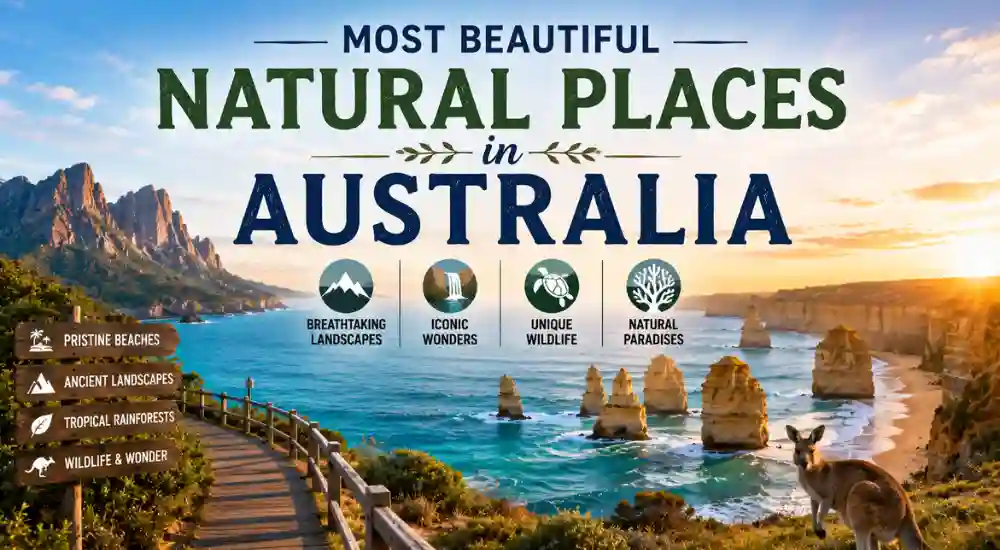
Most Beautiful Natural Places in Australia
Australia offers coral reefs, rainforests, mountains, wetlands, gorges, and desert landscapes. These natural wonders in Australia suit travellers who prefer outdoor activities and scenic places over busy cities.
Daintree Rainforest
The Daintree Rainforest combines ancient forest, tropical beaches, rivers, and rare wildlife. Walk along raised boardwalks, join a guided night tour, or visit Cape Tribulation. Indigenous-led experiences add cultural meaning and help visitors understand the connection between the land, plants, animals, and local communities.
Blue Mountains
The Blue Mountains sit close to Sydney and work well as a day trip or overnight escape. Visit dramatic viewpoints, waterfalls, forest trails, and the famous Three Sisters. Travellers can choose easy lookouts or longer hikes. Cooler weather makes the area especially attractive during autumn and spring.
Ningaloo Reef
Ningaloo Reef offers a quieter alternative to the Great Barrier Reef. From Exmouth, travellers can swim near whale sharks, manta rays, turtles, and colourful coral. The reef lies close to shore in several areas, which makes snorkelling easier. Visit during the correct wildlife season for your preferred experience.
Cradle Mountain–Lake St Clair National Park
Cradle Mountain is one of Tasmania’s most beautiful natural destinations. Visitors can walk around Dove Lake, explore alpine trails, and look for wombats and wallabies. Weather can change quickly, so carry layers and waterproof clothing. The destination suits hikers, photographers, and travellers who enjoy peaceful wilderness.
Kakadu National Park
Kakadu National Park features wetlands, waterfalls, wildlife, and ancient rock-art sites. The dry season provides easier road access and comfortable temperatures. Join a guided cruise or cultural tour to understand the landscape properly. Visitors should allow at least two or three days because Kakadu covers a large area.
Karijini National Park
Karijini National Park is famous for deep red gorges, rock pools, and dramatic walking trails. It lies in a remote part of Western Australia, so travellers need careful planning, fuel, water, and suitable transport. The park rewards prepared visitors with some of the country’s most impressive inland scenery.
Best Beaches and Islands in Australia
Australia has thousands of beaches, but the best choices depend on access, weather, crowds, and available activities. These coastal destinations offer swimming, snorkelling, wildlife, walking, and relaxing island stays.
Whitehaven Beach and the Whitsundays
Whitehaven Beach is known for pale silica sand and bright turquoise water. Most visitors reach it by boat, helicopter, or scenic flight. Combine the beach with a Whitsunday sailing trip for a fuller experience. Early tours often help travellers enjoy quieter viewpoints and cooler walking conditions.
Rottnest Island
Rottnest Island lies near Perth and attracts visitors with beaches, cycling routes, and friendly-looking quokkas. Rent a bicycle or use the island bus to move between bays. Never feed or touch wildlife. One day covers the highlights, but an overnight stay provides a quieter and more relaxed experience.
K’gari
K’gari features freshwater lakes, tall rainforest, dunes, and long beach highways. Most routes require four-wheel-drive skills, so first-time visitors may prefer a guided tour. Lake McKenzie, Eli Creek, and the Maheno shipwreck remain popular stops. Two or three days allow a more comfortable visit.
Lord Howe Island
Lord Howe Island suits travellers seeking quiet beaches, walking trails, coral reefs, and limited crowds. Visitor numbers remain controlled, which helps protect the island’s environment. Accommodation and flights can cost more than mainland options, so book early. The island works especially well for couples and nature lovers.
Esperance and Cape Le Grand
Esperance offers some of the most beautiful coastal scenery in Western Australia. Visit Cape Le Grand National Park, Lucky Bay, and nearby white-sand beaches. The destination lies far from Perth, so allow enough travel time. A car gives visitors better access to beaches, viewpoints, and walking trails.
Bruny Island
Bruny Island combines beaches, wildlife, sea cliffs, and local food. Visitors can explore the Neck lookout, lighthouse areas, short walks, and small food producers. The island makes a good day trip from Hobart, but an overnight stay allows more time for wildlife watching and quieter coastal experiences.

Best Australian Destinations for Wildlife
Australia’s wildlife attracts visitors from around the world. Choose responsible tours, keep a safe distance, and never feed wild animals.
Kangaroo Island
Kangaroo Island is one of the best places to see kangaroos, koalas, sea lions, birds, and coastal wildlife. Visit protected areas and join guided tours for better sightings. The island also offers beaches, rock formations, and quiet roads. Stay at least two nights to avoid rushing.
Phillip Island
Phillip Island is famous for its evening penguin parade. Visitors can also see seals, coastal birds, and scenic shorelines. It works as a day trip from Melbourne, although an overnight stay feels less hurried. Follow viewing rules and avoid flash photography around the penguins.
Rottnest Island
Quokkas make Rottnest Island one of Australia’s most popular wildlife destinations. Visitors may take photos from a respectful distance but should not touch or feed them. Cycling around the island also reveals seabirds, coastal habitats, and quiet bays.
Ningaloo Reef
At Ningaloo Reef, travellers can see whale sharks, humpback whales, manta rays, turtles, and tropical fish. Wildlife seasons change throughout the year, so check timing before booking. Choose licensed operators that follow marine protection rules.
Kakadu National Park
Kakadu’s wetlands support crocodiles, wallabies, and many bird species. Boat cruises provide safe wildlife viewing and help travellers understand the ecosystem. Never swim in unapproved areas, and always follow local crocodile warnings.
Daintree Rainforest
The Daintree shelters cassowaries, reptiles, insects, and rare forest species. Guided walks often reveal wildlife that visitors may miss on their own. Drive slowly and respect signs, especially in areas where cassowaries cross roads.

Best Cities to Visit in Australia
Sydney offers landmarks and beaches, while Melbourne leads in food, culture, and sport. Brisbane provides warm weather and riverfront life. Perth combines beaches with access to Rottnest Island and Margaret River. Adelaide suits food and wine lovers, while Hobart offers history and nature. Darwin acts as a gateway to Kakadu and Litchfield. Canberra has national museums, galleries, and family-friendly attractions. Most cities work well without a car.
Unique and Underrated Places to Visit in Australia
Travellers who want places beyond Sydney and Melbourne can explore remote parks, unusual towns, quiet coastlines, and geological wonders.
Coober Pedy
Coober Pedy is an unusual outback town known for opal mining and underground homes. Visitors can tour underground churches, museums, and hotels. Summer heat can become extreme, so cooler months provide a safer and more comfortable experience.
Purnululu National Park
Purnululu National Park contains the striped, beehive-shaped Bungle Bungle Range. The remote park requires careful transport planning, but scenic flights provide another way to view it. Dry-season travel offers the best access.
Flinders Ranges
The Flinders Ranges combine mountain scenery, wildlife, walking trails, and outback culture. Visitors can explore Wilpena Pound, scenic drives, and small regional communities. Spring and autumn provide comfortable conditions.
Eyre Peninsula
The Eyre Peninsula offers seafood, marine wildlife, beaches, and fewer crowds than many east-coast destinations. Road trippers can explore coastal towns, national parks, and dramatic cliffs.
Bay of Fires
Tasmania’s Bay of Fires features clear water, white beaches, and orange-covered rocks. It suits photographers, walkers, and travellers seeking quiet coastal scenery. Add it to a longer Tasmania road trip.
Newnes Glow Worm Tunnel
The Newnes Glow Worm Tunnel offers a memorable walk through a former railway tunnel filled with glow worms. Visitors should remain quiet, avoid bright lights, and protect the fragile environment.
Mount Gambier
Mount Gambier stands out for its volcanic landscape, Blue Lake, caves, and sinkholes. It works well as a stop between Adelaide and Melbourne and offers a different side of regional Australia.
Arnhem Land
Arnhem Land offers remote landscapes and important First Nations cultural experiences. Some areas require permits or approved guides. Visitors should plan carefully, respect local rules, and choose Indigenous-owned tours whenever possible.
Unusual Australian Attractions Worth Adding to Your Route
Australia also has unusual roadside and cultural attractions. Consider Lake MacDonnell, Paronella Park, the Museum of Underwater Art, Buchan Caves, Remarkable Cave, the Magnetic Termite Mounds, and the Coonalpyn Silo Mural. These stops work best as additions to a larger route rather than main destinations. Always check access, opening hours, local restrictions, and weather before travelling to remote places.
Best Places to Visit in Australia by Travel Style

Best Places for Couples
Couples may enjoy the Whitsundays, Lord Howe Island, Margaret River, Tasmania, and Sydney Harbour. These places offer beaches, wine, scenic stays, sailing, and romantic dining experiences.
Best Places for Families
Families often choose Sydney, Cairns, Canberra, Phillip Island, and the Gold Coast. These destinations provide easy attractions, wildlife experiences, museums, beaches, and organised day tours.
Best Places for Solo Travellers
Melbourne, Sydney, Brisbane, Hobart, and the east coast route suit solo travellers because they offer hostels, public transport, guided activities, and social travel experiences.
Best Places for Adventure Travellers
Adventure travellers should consider Karijini, Kakadu, Ningaloo Reef, Tasmania, and the Kimberley. These destinations offer hiking, diving, remote drives, gorges, and wilderness tours.
Best Places for Food and Wine
Choose Melbourne, Adelaide, Barossa Valley, Margaret River, Hobart, or Sydney for restaurants, markets, vineyards, local seafood, and regional food experiences.
Best Places on a Budget
Adelaide, Brisbane, Canberra, and Melbourne offer many free attractions and public spaces. Budget travellers can also save money by visiting regional areas outside peak holiday periods.
Best Places to Visit in Australia by Season
Summer: December to February
Summer suits Tasmania, Melbourne, Sydney, Kangaroo Island, and the Great Ocean Road. Southern areas receive warmer weather, although popular beaches and cities can become crowded.
Autumn: March to May
Autumn brings comfortable conditions to Adelaide, Melbourne, Canberra, the Blue Mountains, and Margaret River. It often works well for walking, wine regions, and city breaks.
Winter: June to August
Winter is one of the best times for Cairns, the Great Barrier Reef, Uluru, Kakadu, Ningaloo Reef, and the Kimberley. Northern areas usually experience their dry season.
Spring: September to November
Spring suits Perth, Sydney, the Whitsundays, Canberra, and South Australian wine regions. Wildflowers, comfortable temperatures, and fewer peak-season crowds add to the appeal.
Which Australian Destinations Can Be Combined?
| Main destination | Combine with | Transport | Minimum time |
| Sydney | Blue Mountains | Train or car | 4 days |
| Melbourne | Great Ocean Road | Car or tour | 5 days |
| Cairns | Reef and Daintree | Tour or car | 5 days |
| Perth | Rottnest and Margaret River | Ferry and car | 6 days |
| Adelaide | Barossa and Kangaroo Island | Car and ferry | 6 days |
| Hobart | Freycinet and Cradle Mountain | Car | 7 days |
| Uluru | Kata Tjuta and Kings Canyon | Car or tour | 4 days |
| Darwin | Kakadu and Litchfield | Car or tour | 6 days |
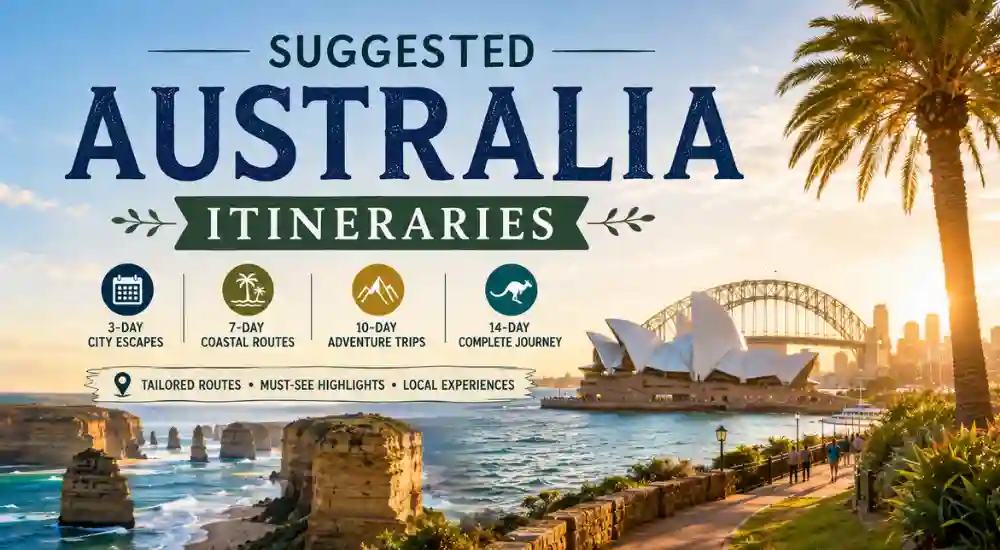
Suggested Australia Itineraries
7-Day Australia Itinerary
Spend three days in Sydney, take a Blue Mountains day trip, and fly to Melbourne for the final three days. This route combines landmarks, beaches, culture, and an easy nature experience.
10-Day Australia Itinerary
Explore Sydney for three days, then fly to Cairns. Use the remaining time for the Great Barrier Reef, Daintree Rainforest, and Cape Tribulation.
14-Day Australia Itinerary
Combine Sydney, Melbourne, the Great Ocean Road, and Cairns. This route covers cities, coastal scenery, reef experiences, and rainforest without adding too many long transfers.
21-Day Australia Itinerary
Visit Sydney, Melbourne, Cairns, and Uluru. Add Tasmania or Perth only when flight times and budget allow. Keep at least three nights for every major region.
How Much Does Each Australian Destination Cost?
Sydney, Melbourne, Uluru, Lord Howe Island, and the Whitsundays can feel expensive because accommodation and tours cost more. Adelaide, Brisbane, Canberra, and some regional towns offer better value. Remote destinations often require flights, car rental, fuel, or guided tours. Compare the full trip cost rather than looking only at hotel prices. Travelling outside school holidays can reduce expenses.
Best Australian Destinations Without a Car
Travellers can explore Sydney, Melbourne, Brisbane, Perth, Adelaide, Canberra, and Cairns without renting a car. These cities offer trains, buses, ferries, walking areas, and organised tours. Hobart has limited public transport, but day tours provide access to nearby attractions. Remote national parks and road-trip destinations usually require a vehicle or guided tour.
Places That Require More Planning Than Visitors Expect
Destinations such as Kakadu, Karijini, Purnululu, Arnhem Land, Lord Howe Island, K’gari, Uluru, and the Kimberley require early planning. Travellers may need permits, four-wheel-drive vehicles, advance accommodation, tours, fuel, or seasonal road information. Remote areas can have limited phone coverage and services. Always carry water, follow safety warnings, and avoid driving beyond your experience level.
Responsible Ways to Visit Australia’s Natural and Cultural Places
Choose responsible tour operators, respect wildlife, and stay on marked paths. Do not touch coral, feed animals, or enter restricted areas. At culturally important destinations, follow local guidance and support Indigenous-owned tours. Carry out rubbish and respect fire, weather, and swimming warnings. Small choices help protect Australia’s reefs, national parks, sacred places, and remote communities.
Common Australia Itinerary Mistakes
Many visitors try to see too much in one trip. They underestimate driving distances, book remote areas too late, and assume every region has the same climate. Others forget domestic flight costs or plan tropical destinations during difficult wet-season conditions. Choose fewer places, allow rest days, and check transport before finalising your route. A slower itinerary often creates a better travel experience.
Frequently Asked Questions
What Is the Number One Place to Visit in Australia?
Sydney is often the best overall choice because it combines famous landmarks, beaches, dining, public transport, and easy day trips. However, nature lovers may prefer Cairns, Tasmania, or Uluru.
Where Should First-Time Visitors Go in Australia?
First-time visitors should consider Sydney, Melbourne, Cairns, and the Great Ocean Road. Choose two or three destinations that match your trip length instead of trying to visit every region.
What Is the Most Beautiful Part of Australia?
Tasmania, the Whitsundays, Ningaloo Reef, the Great Ocean Road, and the Daintree Rainforest all offer outstanding scenery. The best choice depends on whether you prefer mountains, beaches, reefs, or rainforest.
How Many Days Are Enough for Australia?
Ten to fourteen days provide enough time for two or three major regions. Three weeks allow a more varied trip with cities, nature, and the outback.
Is Sydney or Melbourne Better for Tourists?
Sydney is better for iconic landmarks and beaches. Melbourne suits travellers who value food, culture, sport, and creative neighbourhoods. Both cities deserve at least three days.
What Is the Best Month to Visit Australia?
There is no single best month for every region. September to November works well for many southern destinations, while May to October suits tropical northern Australia.
Can You Explore Australia Without a Car?
Yes, you can explore major cities such as Sydney, Melbourne, Brisbane, Perth, and Adelaide without a car. National parks, islands, and remote regions often require tours or private transport.
Which Australian Destinations Are Affordable?
Adelaide, Brisbane, Canberra, and some regional towns can be more affordable than Sydney, Uluru, and remote islands. Costs depend on season, transport, accommodation, and paid tours.
Final Thoughts
The best places to visit in Australia depend on your interests and available time. Sydney offers the easiest introduction, Cairns combines reef and rainforest, Uluru provides culture and outback scenery, and Tasmania delivers a complete nature trip.
Esperance and Coober Pedy suit travellers seeking something different. Build your route around two or three connected regions, and give each destination enough time.