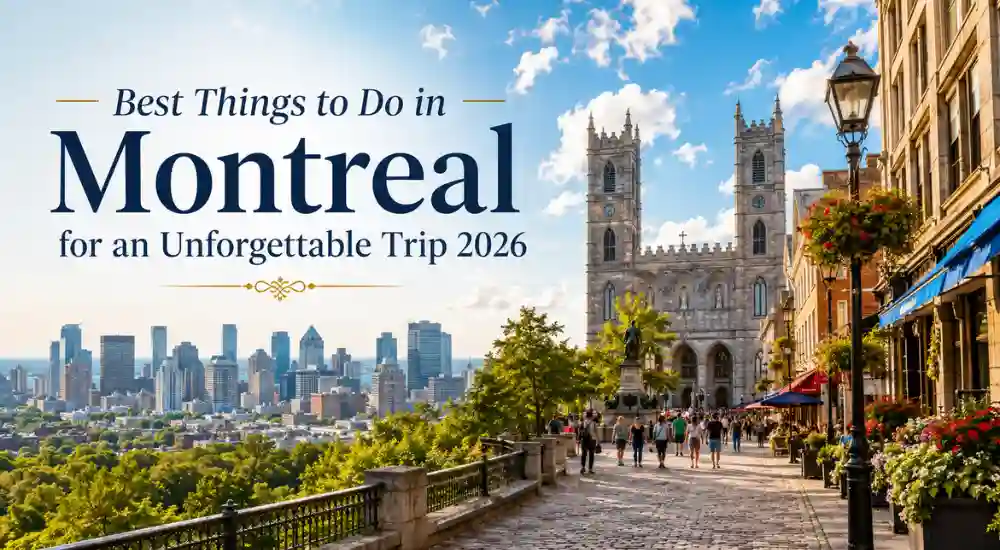
Montreal mixes historic streets, creative neighborhoods, great food, green spaces, and lively festivals in a way that feels easy to enjoy. Whether you want to walk through Old Montreal, see the city from Mount Royal, taste fresh food at Jean-Talon Market, or explore the cafés and murals of Mile End and Plateau-Mont-Royal, you will find plenty of memorable things to do in Montreal.
This guide covers the best things to do in Montreal for first-time visitors, along with free attractions, hidden gems, local food experiences, museums, seasonal activities, and practical travel tips. It will help you decide what to do in Montreal, how long to spend in the city, and which experiences are truly worth adding to your trip.
Quick Answer — What Are the Best Things to Do in Montreal?
The best things to do in Montreal combine history, food, culture, and local neighborhoods. First-time visitors should explore Old Montreal, step inside Notre-Dame Basilica, walk along the Old Port, and climb Mount Royal for city views. Tourisme Montréal also highlights these places among the city’s essential first-visit experiences.
Food lovers should add Jean-Talon Market and Mile End, while art fans can explore museums and colorful murals. If you have extra time, visit Plateau-Mont-Royal, Parc Jean-Drapeau, Lachine Canal, and some lesser-known local spots.
TL;DR
- Old Montreal is the best place to start if you are visiting the city for the first time.
- Walk up Mount Royal for one of the best skyline views and a free outdoor experience.
- Explore Mile End for Montreal-style bagels, cafés, local shops, and creative neighborhood culture.
- Visit Jean-Talon Market to try local food and experience everyday Montreal life.
- Spend time in Plateau-Mont-Royal for colorful streets, murals, cafés, and relaxed walks.
- Add Notre-Dame Basilica, Old Port, Parc Jean-Drapeau, and Montreal museums to a longer itinerary.
- Look for hidden gems, street art, and non-touristy things to do in Montreal if you have extra time.
- Summer is ideal for festivals, patios, parks, and pedestrian streets, while winter offers skating, snow activities, museums, and warm cafés.
- Most first-time travelers need around three days in Montreal to enjoy the main attractions without rushing.
- You usually do not need a car in Montreal because walking and public transportation make most popular areas easy to reach.
Best Things to Do in Montreal by Traveler Type
Not every traveler wants the same Montreal experience. First-time visitors will get the most value from Old Montreal, Mount Royal, and Notre-Dame Basilica, while food lovers should spend more time around Mile End and Jean-Talon Market.
| Traveler Type | Best Montreal Experiences |
| First-time visitors | Old Montreal, Notre-Dame Basilica, Mount Royal |
| Food lovers | Jean-Talon Market, Mile End, local bagels |
| Families | Biodome, Old Port, Parc Jean-Drapeau |
| Couples | Old Montreal, Mount Royal, Plateau |
| Budget travelers | Parks, markets, murals, neighborhood walks |
| Repeat visitors | Hidden gems, local districts, unusual experiences |
Choosing attractions this way makes it easier to build a trip around your interests instead of simply following a long tourist checklist.
Explore Old Montreal — Best for First-Time Visitors
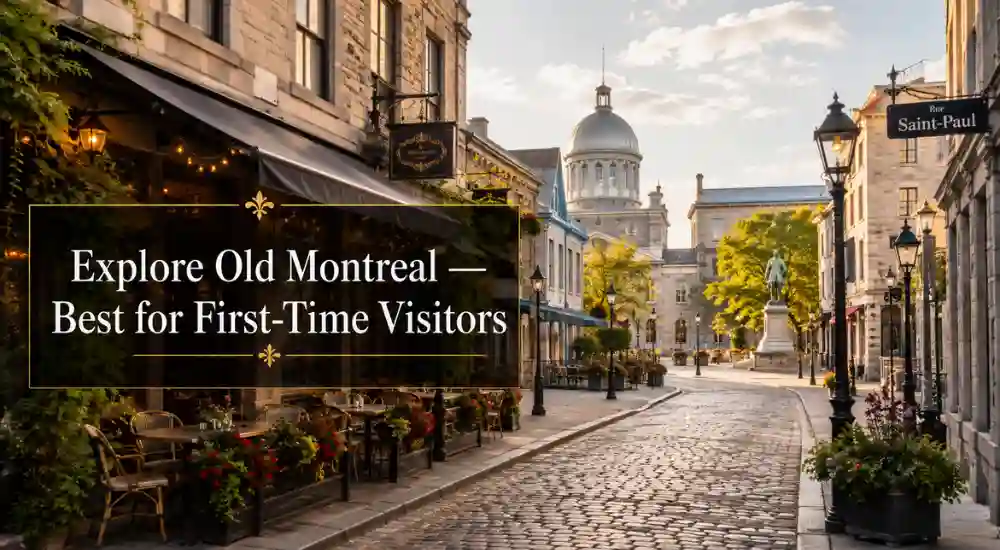
Old Montreal, or Vieux-Montréal, gives first-time travelers an easy introduction to the city’s history. Cobblestone streets, old stone buildings, cafés, small galleries, churches, and public squares create one of the most attractive areas to explore on foot.
You can easily spend half a day here without rushing. Tourisme Montréal recommends Old Montreal as a core first-time experience and highlights its historic architecture, Notre-Dame Basilica, and Place Jacques-Cartier. If you want to see several major Montreal attractions close together, start your sightseeing here.
Walk the Historic Streets and Place Jacques-Cartier
Begin with a relaxed walk through the narrow streets around Place Jacques-Cartier. The square sits in the historic center and offers an easy starting point for exploring surrounding architecture, cafés, shops, and public spaces.
Do not rush from landmark to landmark. Part of Old Montreal’s appeal comes from simply walking, looking at the buildings, and turning down smaller streets that catch your attention. This area works especially well for photography and couples looking for romantic things to do in Montreal. Early morning usually feels quieter, while afternoons and evenings bring more activity.
Visit Notre-Dame Basilica
Notre-Dame Basilica of Montreal stands among the city’s most recognizable landmarks. Its dramatic Gothic Revival design and richly decorated interior make it worth seeing even if religious attractions normally sit low on your travel list. Official Montréal tourism continues to feature the basilica as one of the essential sights for first-time visitors.
Check current entry options and event times before you arrive, especially if you want a specific experience inside. Pairing the basilica with nearby streets and Place d’Armes creates an easy Old Montreal walking itinerary without wasting time on transportation.
Continue to the Old Port
From Old Montreal, walk toward the Old Port of Montreal and the St. Lawrence River. The waterfront gives you a different view of the city, with open space, seasonal activities, river scenery, and family-friendly attractions.
The area works well when you want a break from museums and historic streets. You can walk by the water, enjoy views, or simply sit for a while before continuing your sightseeing. In warmer months, the waterfront becomes especially lively. Combining Old Montreal and the Old Port also makes sense because you can visit both without crossing the city.
Climb Mount Royal for the Best City Views
Mount Royal should sit near the top of any list of places to visit in Montreal. Walk through Mount Royal Park toward Kondiaronk Belvedere for a broad view over downtown and the skyline. Tourisme Montréal identifies Mount Royal as one of the city’s most famous visitor spots.
Allow around two hours if you want a relaxed walk rather than a quick photo stop. Wear comfortable shoes because some routes climb steadily. Autumn brings colorful leaves, summer offers green trails, and winter turns the park into a snowy outdoor playground. It also ranks among the best free things to do in Montreal.
Eat Your Way Through Mile End
Mile End Montreal combines food, creative culture, small businesses, bakeries, cafés, and local streets that feel very different from the historic center. This is a good neighborhood to explore when you want to experience Montreal beyond its main tourist attractions.
Walk rather than trying to jump between stops by car. You will notice independent shops and casual places that make the area enjoyable between famous food stops. Mile End works especially well for travelers searching for non-touristy things to do in Montreal, although its best-known bagel shops now attract visitors from around the world.
Try Montreal-Style Bagels
Trying a Montreal-style bagel belongs on almost every food-focused itinerary. Two famous names, St-Viateur Bagel and Fairmount Bagel, have become closely linked with the city’s food identity.
Montreal bagels usually have a thinner, chewier shape than New York-style versions and traditionally cook in a wood-fired oven. You do not need to turn the experience into a debate over which bakery makes the “best” one. Buy one fresh, eat it while exploring Mile End, and decide for yourself. This simple stop remains one of the easiest and most affordable Montreal food experiences.
Sample Smoked Meat and Local Cafés
Montreal’s food scene goes well beyond bagels. Smoked meat sandwiches also form part of the city’s classic food identity, with Schwartz’s Deli among the most famous names associated with them.
You can balance these iconic stops with smaller cafés, bakeries, and neighborhood restaurants around Mile End and nearby areas. Avoid spending the whole trip chasing only famous restaurants. Some of the most enjoyable food moments come from finding a café while walking. Food-focused travelers can easily spend several hours exploring this part of the city, making Mile End one of the best neighborhoods in Montreal for food lovers.
Browse Jean-Talon Market — Best for Food Lovers

Jean-Talon Market offers one of the easiest ways to experience Montreal through food. You can browse fruit and vegetable stands, cheese, baked goods, meats, prepared foods, and other Quebec products while watching locals shop alongside visitors.
The market sits close to Little Italy, so combine the two areas rather than making a separate journey. Tourisme Montréal regularly places Jean-Talon Market among recommended first-time and food-focused experiences. Visit with an appetite and try a few small items instead of planning only one large meal. For many travelers, markets create a more memorable taste of local life than another formal attraction.
Experience Plateau-Mont-Royal Like a Local
Plateau-Mont-Royal feels best when you explore it slowly. Colorful homes, outdoor staircases, cafés, restaurants, murals, boutiques, and parks give the neighborhood a strong local personality.
Instead of creating a strict attraction checklist, choose a few streets and walk. Stop when a café, shop, mural, or bakery catches your eye. During warmer months, pedestrian areas make parts of Montreal particularly pleasant to explore on foot. Tourisme Montréal lists multiple streets as car-free for parts of summer 2026, strengthening the city’s outdoor neighborhood experience. The Plateau is ideal for travelers who want to experience Montreal like a local.
See Montreal’s Street Art and Murals
Montreal turns many walls into outdoor galleries. Around Saint-Laurent Boulevard and the Plateau, you can find large murals, smaller works, and changing pieces that make a self-guided walk feel different from a traditional museum visit.
Street art also helps explain the city’s creative character. The annual MURAL Festival has helped make this part of Montreal especially well known for large-scale public art. You can explore independently instead of paying for a tour, making murals another good choice for travelers seeking free things to do in Montreal. Keep your route flexible because new artwork can appear while older pieces may change.
Visit Montreal’s Best Museums and Cultural Attractions
Montreal offers enough indoor attractions to fill several days, but most visitors only need to choose one or two. The Montreal Museum of Fine Arts works well for art lovers, while Pointe-à-Callière provides deeper context about the city’s history and archaeology. Families and science-minded visitors may prefer the Biodome.
Montréal Museums maintains a citywide network of museums and current exhibitions, so checking what is on during your exact dates can reveal temporary shows worth adding to your itinerary. Museums also give you an excellent backup plan for cold, rainy, or extremely hot weather.
Spend Time at Parc Jean-Drapeau
Parc Jean-Drapeau sits on islands in the St. Lawrence River and gives visitors a mix of green space, cultural attractions, cycling, events, and waterfront views. It makes a good change of pace after spending time in busy central neighborhoods.
The park also hosts major festivals and seasonal events, so your experience can change depending on when you visit. Montreal’s official tourism calendar continues to feature events at Parc Jean-Drapeau throughout the 2026 festival season. Check the event calendar before going. If nothing major is taking place, you can still enjoy the open spaces and nearby attractions at a slower pace.
Discover Unique and Non-Touristy Things to Do in Montreal
Once you cover the famous landmarks, look for a few unique things to do in Montreal. Visit the lively Tam-Tams gathering near Mount Royal when it takes place, look for artwork inside Metro stations, walk or cycle along the Lachine Canal, or explore quieter residential streets away from the busiest tourist areas.
You can also create your own hidden-gem experience by choosing a neighborhood and wandering without a fixed schedule. The goal is not to find a “secret” place nobody knows. Instead, spend time experiencing ordinary local spaces alongside famous attractions. That balance often makes a Montreal trip feel more personal.
Find the Best Free Things to Do in Montreal
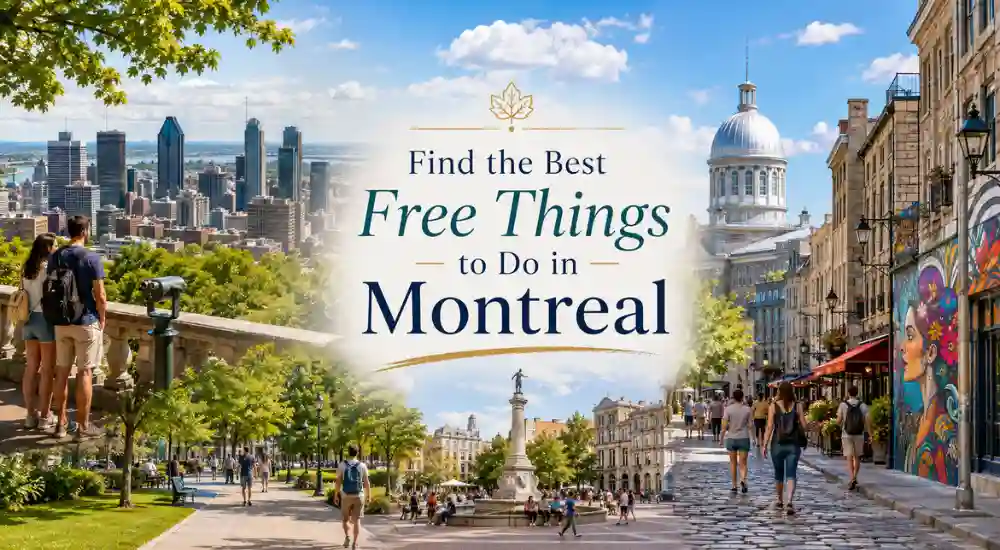
You do not need to pay for every memorable experience. Some of the best free things to do in Montreal include walking Old Montreal, hiking Mount Royal, browsing public markets, seeing street art, exploring neighborhoods, relaxing in parks, and walking along the Lachine Canal.
Festivals and public events may also include free programming, especially during the warmer months. Montreal’s official event listings show that festivals form a major part of city life throughout different seasons. Budget travelers can save money by mixing paid attractions with these free experiences rather than buying tickets for every stop.
Best Things to Do in Montreal by Season
The best time to visit Montreal depends on the kind of trip you want. Summer brings long outdoor days, festivals, patios, and pedestrian streets. Winter gives the city a completely different personality with snow, skating, seasonal events, and indoor cultural activities.
Spring often feels quieter as the city changes seasons, while fall combines cooler walking weather with colorful foliage. Build your itinerary around the weather instead of trying to use the same plan year-round. Montreal rewards seasonal travel because parks, events, outdoor dining, and even the way people use neighborhoods change throughout the year.
Montreal in Summer
Summer is ideal for festivals, parks, outdoor dining, markets, cycling, and long neighborhood walks. In 2026, Montreal again turned several streets into pedestrian-only areas for parts of the warm season.
This season also brings a packed event calendar, so check what happens during your dates before finalizing the itinerary. Popular areas can feel busy, but you can balance them with parks and quieter neighborhoods. Bring comfortable walking shoes, sunscreen, and enough flexibility to stop when you discover live music, street performances, or an interesting patio.
Montreal in Winter
Winter changes both the look and rhythm of Montreal. Snow makes Mount Royal especially beautiful, while skating, winter events, warm cafés, museums, and indoor attractions give you plenty to do when temperatures drop.
Plan shorter outdoor periods and mix them with indoor stops. The city’s Underground City also connects shopping, services, and downtown spaces below street level, making it useful during difficult weather. Good boots and warm layers matter more than trying to look perfectly dressed. If you prepare for the cold, winter can provide one of Montreal’s most distinctive travel experiences.
What to Do in Montreal When It Rains
Rain does not need to ruin your itinerary. Start with a museum, Biodome, public market, café, or another indoor cultural attraction. Downtown’s Underground City can also help you move between shops and indoor spaces while avoiding some of the weather.
Keep one or two indoor options ready before your trip instead of searching after the rain starts. If showers stay light, Old Montreal and neighborhood cafés can still feel atmospheric with an umbrella. A flexible schedule works better than cancelling an entire day, especially because Montreal offers plenty of indoor things to do when it rains.
How Many Days Do You Need in Montreal?
For most first-time visitors, three days in Montreal creates a good balance between major attractions and local neighborhoods. With only one day, focus on Old Montreal, Mount Royal, and one memorable food stop.
With two days, add Mile End, Plateau-Mont-Royal, or Jean-Talon Market. A 3-day Montreal itinerary gives you room for a museum, Parc Jean-Drapeau, markets, and slower neighborhood exploration. If you have four days or more, explore hidden gems, the Lachine Canal, additional museums, or areas outside the main tourist route. More time lets you enjoy the city instead of racing through it.
Practical Tips for Visiting Montreal
You can explore Montreal comfortably without renting a car. Walking works well within individual neighborhoods, while the Metro and buses make longer journeys easier. STM offers visitor information and several fare types, including multi-day options, so compare passes with the number of trips you expect to make.
Group nearby attractions together: explore Old Montreal with the Old Port, and combine Mile End with Plateau or Jean-Talon Market. Check current hours and reservation requirements before visiting major paid attractions. Pack for the season, wear comfortable shoes, and learn a few simple French words such as bonjour and merci.
FAQs About Things to Do in Montreal
What Should You Not Miss in Montreal?
First-time visitors should prioritize Old Montreal, Notre-Dame Basilica, Mount Royal, and at least one local food experience. Add Jean-Talon Market or Mile End if food interests you, and spend some time walking a neighborhood rather than visiting only major landmarks.
If you have three days, include a museum, street art, and Parc Jean-Drapeau or the Lachine Canal. You do not need to see everything. Montreal works best when you mix famous tourist attractions with local experiences, food, and unplanned walking time.
Is Montreal Worth Visiting for 3 Days?
Yes. Three days in Montreal gives you enough time to experience the historic center, major views, food, neighborhoods, and at least one cultural attraction without rushing from morning to night.
Spend one day around Old Montreal and the Old Port, another around Mount Royal, Plateau, and Mile End, then use the third for Jean-Talon Market, a museum, Parc Jean-Drapeau, or another experience that matches your interests. Three days also give you more flexibility if weather changes your plans, making it an excellent length for a first Montreal city break.
Is Montreal a Walkable City?
Montreal works very well for travelers who enjoy walking, especially within Old Montreal, downtown, Plateau-Mont-Royal, and Mile End. However, the city covers enough ground that walking between every attraction would waste valuable time.
Use the Metro or bus for longer distances, then explore each neighborhood on foot. STM provides visitor-focused information to help travelers choose routes and fares. Comfortable shoes matter because many of the city’s best experiences involve walking through markets, parks, historic streets, and neighborhoods rather than simply arriving at one attraction.
What Food Is Montreal Famous For?
Montreal is especially famous for Montreal-style bagels, smoked meat sandwiches, and poutine. St-Viateur and Fairmount remain well-known bagel stops, while Schwartz’s has become strongly associated with the city’s smoked meat tradition.
Do not stop with those classics. Visit Jean-Talon Market, try Quebec cheeses or pastries, explore local bakeries, and spend time in neighborhood cafés. Montreal’s food culture works best when you combine famous dishes with simple discoveries made while exploring. Food can easily become one of the highlights of your trip rather than just something you fit between attractions.
What Are the Best Free Things to Do in Montreal?
Start with Mount Royal, where you can walk through the park and enjoy skyline views without buying an admission ticket. You can also explore Old Montreal on foot, browse Jean-Talon Market, walk along the Lachine Canal, see murals around Saint-Laurent Boulevard, and explore neighborhoods such as Plateau-Mont-Royal.
Public parks and seasonal events add more possibilities. Some festival programming may also offer free access, although details change by event and year. Combining free experiences with one or two paid attractions makes Montreal easier to enjoy on a moderate travel budget.
What Is the Best Time of Year to Visit Montreal?
For many first-time travelers, late spring through early fall offers the easiest combination of outdoor sightseeing, parks, markets, festivals, and neighborhood walking. Summer brings the busiest festival season and many pedestrian-friendly streets.
Fall attracts visitors who prefer cooler walking weather and changing leaves, while winter suits travelers who enjoy snow and seasonal activities. There is no single perfect month for everyone. Choose your dates based on whether you value festivals and patios, comfortable walking weather, fall color, or a true winter-city experience.
Do You Need a Car in Montreal?
Most visitors do not need a car in Montreal, especially if they stay near downtown or a Metro station. The combination of walking, Metro trains, and buses can cover most major attractions and neighborhoods efficiently.
A car can also create extra work because you need to think about parking and traffic instead of simply enjoying the city. Use public transportation for longer journeys, then explore areas like Old Montreal, Mile End, and Plateau-Mont-Royal on foot. STM specifically provides transit information for visitors and offers fare options suited to different trip lengths.
Final Thoughts
The best things to do in Montreal go far beyond checking famous attractions off a list. The city becomes more memorable when you combine Old Montreal, Mount Royal, local food, markets, museums, street art, and neighborhoods like Mile End and Plateau-Mont-Royal.
Give yourself time to walk, stop at cafés, try Montreal’s famous food, and explore places that were not originally on your itinerary. Whether you visit for a weekend or several days, mixing must-see Montreal attractions with local experiences and hidden gems will help you enjoy the city at a comfortable pace and create a trip that feels personal rather than rushed.