
Rome is one of those rare cities that feels like an open-air museum, a food destination, and a living piece of history all at once. If you’re planning your first trip to Rome, this Rome travel guide will help you avoid common mistakes, save time, and build a trip that actually feels exciting instead of overwhelming. From ancient landmarks like the Colosseum and Pantheon to charming streets, local cafés, and hidden corners, visiting Rome offers something for every kind of traveler.
Whether you’re planning a 3-day Rome itinerary, searching for the best time to visit Rome, wondering where to stay in Rome, or trying to figure out your Rome travel budget, this guide covers it all in simple, practical steps. You’ll discover the top things to do in Rome, how to get around, what to book early, and the local tips that can turn a good Rome vacation into an unforgettable one.
Quick Answer
Rome is absolutely worth visiting, especially for first-time travelers looking for history, culture, food, and unforgettable landmarks in one destination. For most visitors, 3 days in Rome is the sweet spot—it gives you enough time to see major attractions like the Colosseum, Vatican Museums, Trevi Fountain, and Pantheon without feeling rushed. If you want a slower pace, hidden gems, or day trips, 4 to 5 days in Rome works even better.
The best time to visit Rome is usually April to June and September to October, when the weather is pleasant and the city feels more comfortable for walking. Expect an average Rome travel budget of €80–€120 per day for budget travelers, €150–€250 for mid-range trips, and more for luxury stays. Stay in areas like Centro Storico, Monti, or Trastevere for the best first-time experience, and always book popular attractions early—especially if you’re planning a Rome itinerary for first timers.
Is Rome Expensive for Tourists?
Quick answer: Rome can fit almost any budget. It’s not the cheapest city in Europe, but it’s also not as expensive as cities like London or Paris if you plan smartly. Your total Rome travel budget depends on where you stay, how you move around the city, and whether you book major attractions in advance. For most travelers, the average daily budget in Rome ranges from €80 to €300+ per person.
If you’re planning traveling to Rome for the first time, here’s a realistic look at what a typical Rome vacation may cost per day:
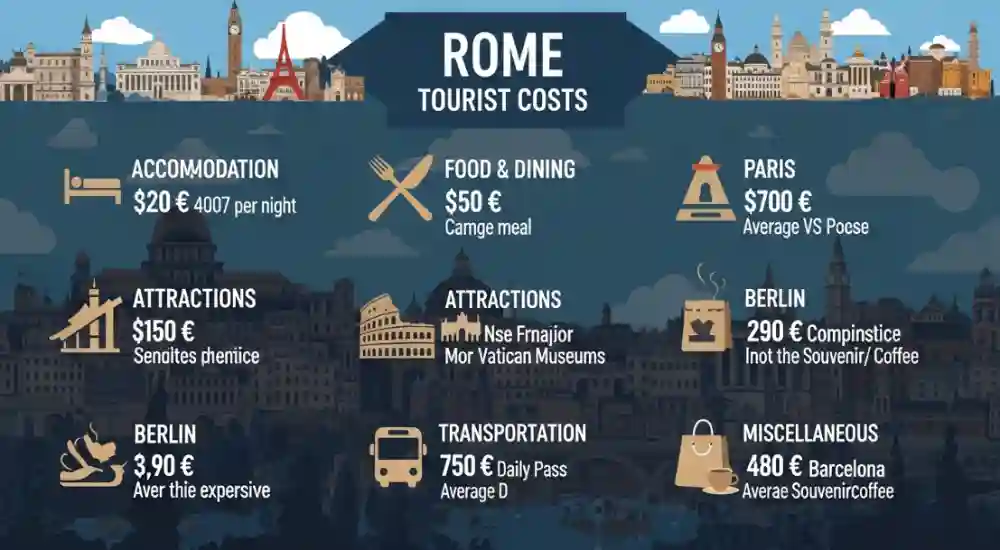
Budget Traveler (€80–€120 per day)
Perfect for backpackers, solo travelers, or anyone planning Rome on a budget.
Includes:
- Hostel or budget hotel: €35–€60
- Public transport: €7–€10
- Street food, pizza, cafés: €20–€30
- Basic attraction tickets: €20–€30
Best for: travelers who want to enjoy the top things to do in Rome without overspending.
Mid-Range Traveler (€150–€250 per day)
The most common choice for couples and first-time visitors planning a comfortable Rome itinerary.
Includes:
- Boutique hotel or Airbnb: €90–€150
- Metro, taxis, occasional transfers: €10–€25
- Sit-down restaurants + gelato + coffee: €35–€60
- Skip-the-line tickets, museums, tours: €30–€60
Best for: travelers seeking comfort in Rome without luxury prices.
Luxury Traveler (€300+ per day)
Ideal for travelers seeking premium stays, private tours, and fine dining during their Rome trip.
Includes:
- Luxury hotels in Rome: €200+
- Private airport transfers or taxis: €30–€80
- Fine dining: €70+
- Private guides or exclusive experiences: €100+
Best for: couples, honeymoon travelers, or luxury city breaks.
Quick Daily Cost Overview in Rome
| Expense | Budget | Mid-Range | Luxury |
| Accommodation | €35–€60 | €90–€150 | €200+ |
| Food | €20–€30 | €35–€60 | €70+ |
| Transport | €7–€10 | €10–€25 | €30+ |
| Attractions | €20–€30 | €30–€60 | €100+ |
| Total | €80–€120 | €150–€250 | €300+ |
The good news? Rome doesn’t have to be expensive. With smart planning, early ticket bookings, and the right neighborhood, you can enjoy an unforgettable Rome city guide experience without stretching your budget.
Best Time to Visit Rome
Choosing the best time to visit Rome can completely change your travel experience. The city is beautiful all year, but comfort, crowd levels, and prices vary a lot depending on the season. If you are planning your Rome travel guide itinerary, timing is one of the most important decisions for a smooth trip.
Rome Weather by Season
Rome has a Mediterranean climate, meaning hot summers and mild winters.
- Spring (March to May): One of the best times to visit. The weather is warm but not too hot, and the city is full of life.
- Summer (June to August): Very hot and crowded. Temperatures often rise above 30°C, especially in July.
- Autumn (September to November): Another great season with comfortable weather and fewer crowds.
- Winter (December to February): Cooler and quieter. Good for budget travelers, but some days can be rainy.
If you want a balanced experience for your Rome vacation, spring and autumn are ideal.
Cheapest Months to Visit
If your focus is saving money on your Rome travel budget, the cheapest months are usually:
- January
- February
- Early March
- November
During these months, hotels and flights are often cheaper, and you can enjoy major attractions without peak-season prices.
Least Crowded Months
For a peaceful experience while visiting Rome, avoid peak summer crowds.
The least crowded periods are:
- Mid-January to March
- Late October to early December
During these months, places like the Colosseum, Vatican Museums, and Trevi Fountain feel much more relaxed and easier to explore.
Major Festivals & Holiday Closures
Rome becomes very busy during major events and holidays. While they are beautiful, they also mean higher prices and crowds.
Important periods include:
- Easter week (especially Vatican area)
- Christmas and New Year
- Rome’s public holidays in April and June
- Summer festivals and concerts
During these times, many tourists increase, and you may need to book attractions in advance for your Rome itinerary.
Best Time for First-Time Visitors
For most people planning a Rome travel guide experience for first timers, the best time is:
April to June or September to October
Why?
- Comfortable walking weather
- Fewer extreme crowds
- Perfect conditions for sightseeing
- Better photos and outdoor dining
This is the sweet spot for enjoying the top things to do in Rome without stress, long queues, or extreme heat.
How Many Days Do You Need in Rome?
One of the most common questions in any Rome travel guide is simple: how long should you stay? The answer depends on how deep you want your experience to be, but most first-time visitors follow a similar pattern.
Is 2 Days Enough?
A 2-day Rome itinerary is possible, but it feels rushed. You can cover major highlights like the Colosseum, Vatican City, and Trevi Fountain, but you will spend more time moving than enjoying.
It works only if:
- You are doing a quick Rome city guide stop
- You are on a tight Europe trip schedule
- You don’t mind skipping hidden gems
Why 3 Days Is Ideal
For most travelers, 3 days in Rome is the perfect balance. It allows you to explore major attractions without stress and still enjoy the city’s atmosphere.
With 3 days, you can:
- Visit ancient Rome sites like the Roman Forum and Colosseum
- Explore Vatican Museums without rushing
- Walk through neighborhoods like Trastevere and Monti
- Enjoy food, cafés, and evening piazzas
This is the most recommended option for a Rome itinerary for first timers.
When to Stay 4–5 Days
If you want a deeper experience, staying 4 to 5 days in Rome gives you freedom and comfort. You can slow down and explore beyond the tourist spots.
Extra time lets you:
- Discover hidden neighborhoods
- Visit museums like Borghese Gallery
- Take long walking tours
- Enjoy relaxed dining without rushing
This is ideal for travelers building a full Rome vacation experience instead of a quick stop.
Rome + Day Trip Options
If you have extra time, Rome is a great base for nearby trips. Popular options include:
- Florence (art and architecture)
- Pompeii (ancient ruins)
- Tivoli (gardens and villas)
- Orvieto (small historic town)
These day trips add variety to your Rome travel guide experience and help you see more of Italy beyond the capital.
The Biggest Mistakes First-Time Visitors Make in Rome
Many travelers come to Rome excited—but leave feeling tired or overwhelmed because of avoidable mistakes. Knowing these early can completely improve your Rome travel experience.
Booking Attractions Too Late
Popular sites like the Colosseum and Vatican Museums often sell out or have long queues. Last-minute planning leads to wasted hours in line.
Choosing the Wrong Neighborhood
Staying too far from central areas like Centro Storico, Monti, or Trastevere can waste time and increase transport costs.
Trying to See Everything
Rome is not a checklist city. Trying to cover too many attractions in one day leads to burnout and no real experience.
Underestimating Walking Distances
Rome looks close on maps, but cobblestone streets and uneven terrain make walking slower and more tiring than expected.
Eating Next to Tourist Landmarks
Restaurants near places like the Trevi Fountain or Colosseum are often overpriced and lower in quality compared to local neighborhoods.
Ignoring Church Dress Codes
Many churches, including St. Peter’s Basilica, require covered shoulders and knees. Not following rules can stop entry.
Using Taxis Incorrectly
Some tourists rely too much on taxis or get overcharged. Rome’s metro and walking routes are often faster and cheaper.
Where to Stay in Rome for First-Time Visitors
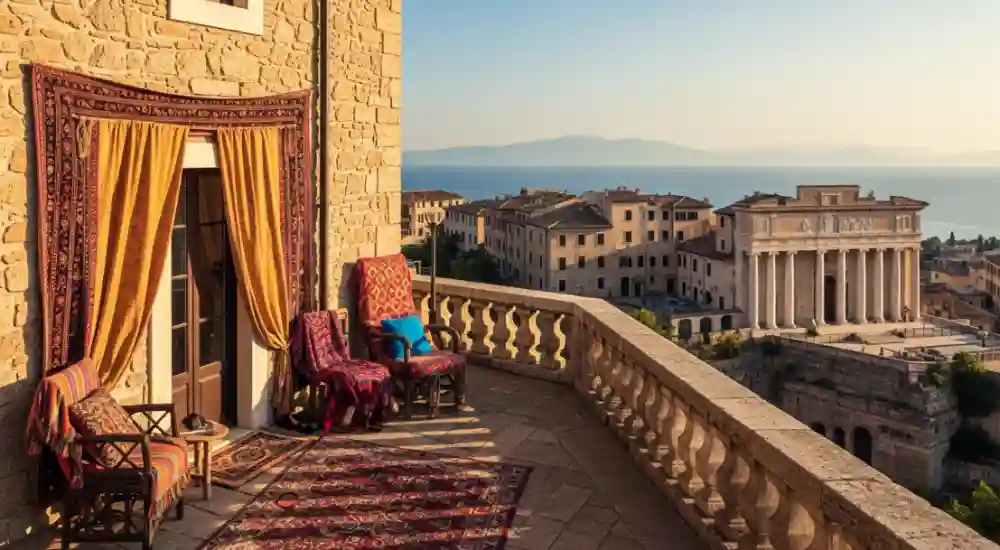
Choosing the right area is one of the most important parts of your Rome travel guide planning. Each neighborhood offers a different experience.
Centro Storico
Best for first-time visitors who want to stay in the heart of Rome. You are close to major landmarks like the Pantheon and Piazza Navona. Everything feels walkable and lively.
Monti
A trendy, central area with cafés, boutiques, and a local vibe. It’s close to the Colosseum and perfect for stylish travelers who want both comfort and atmosphere.
Trastevere
One of the most charming neighborhoods in Rome. Known for nightlife, restaurants, and narrow cobblestone streets. Great for evening walks and food lovers.
Prati
A quieter, organized area near Vatican City. Ideal for families or travelers who prefer calm surroundings and easy metro access.
Testaccio
A more local, authentic district known for food culture. Perfect if you want a less touristy and more real Roman experience with excellent restaurants.
Choose Your Neighborhood Based on Your Travel Style
Picking where to stay is not just about location—it completely shapes your Rome travel experience. Instead of choosing randomly, match your neighborhood with your travel style for a smoother and more enjoyable Rome vacation.
Couples
If you are traveling as a couple, look for romantic streets, cozy cafés, and evening walks.
Best areas:
- Trastevere for charming nightlife and riverside walks
- Centro Storico for iconic views and romantic piazzas
Perfect for slow dinners, sunset views, and a relaxed Rome itinerary.
Families
Families need safety, space, and easy access to transport.
Best areas:
- Prati for quiet streets near Vatican City
- Monti for central access with a relaxed atmosphere
These areas make it easier to manage sightseeing without stress.
Budget Travelers
If you want to keep your Rome travel budget low, location matters a lot.
Best areas:
- Monti (good balance of price and location)
- Outer areas near metro lines
You’ll find cheaper stays while still staying close to the main attractions.
Food Lovers
Rome is a food city, and staying in the right area makes a big difference.
Best areas:
- Testaccio for authentic Roman food culture
- Trastevere for restaurants and local dining streets
Perfect for travelers who want to explore the Rome food scene deeply.
Nightlife Travelers
If your Rome vacation includes nightlife, choose areas that stay active after sunset.
Best areas:
- Trastevere for bars and lively streets
- Monti for trendy nightlife spots
Great for evening social energy and young traveler vibes.
Luxury Travelers
For a premium Rome travel guide experience, comfort and location matter most.
Best areas:
- Centro Storico for luxury hotels near landmarks
- Prati for elegant and quiet surroundings
Ideal for high-end stays, private tours, and exclusive dining.
What to Book Before You Arrive in Rome
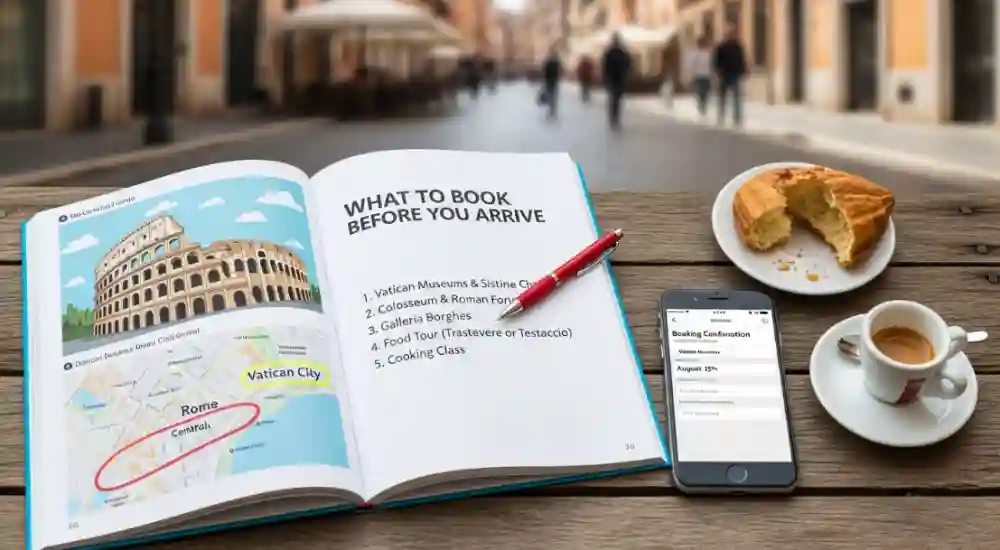
Planning ahead is one of the most important parts of a smooth Rome itinerary, especially during peak season. Many top attractions sell out quickly, and last-minute booking often means long lines or no availability.
Colosseum
One of the most visited landmarks in the world. Pre-booking skip-the-line tickets helps you avoid hours of waiting and guarantees entry.
Vatican Museums
Home to the Sistine Chapel, this is one of the busiest attractions in Rome. Tickets often sell out days in advance, especially in high season.
Borghese Gallery
Entry is strictly timed and limited. Without advance booking, it is almost impossible to get in during busy months.
Airport Transfers
Booking your transfer from Fiumicino or Ciampino Airport in advance saves time, avoids confusion, and ensures a stress-free arrival.
Food Tours
A guided food tour is a great way to experience authentic Roman cuisine, especially for first-time visitors who want local recommendations without guessing.
Which Rome Attractions Sell Out First?
Not all attractions in Rome require advance booking, but some are extremely high-demand and should always be reserved early when planning your Rome travel guide itinerary.
The first places to sell out are:
- Colosseum (especially underground and arena access tours)
- Vatican Museums and Sistine Chapel
- Borghese Gallery (strict time slots)
- Guided tours of the Roman Forum and Palatine Hill
If you are planning a Rome itinerary for first timers, booking these early is essential to avoid disappointment and wasted time standing in long queues.
Is the Rome Tourist Pass Worth It?
Many travelers ask whether a city pass actually helps save money during a Rome vacation. The answer depends on your travel style and how many attractions you plan to visit.
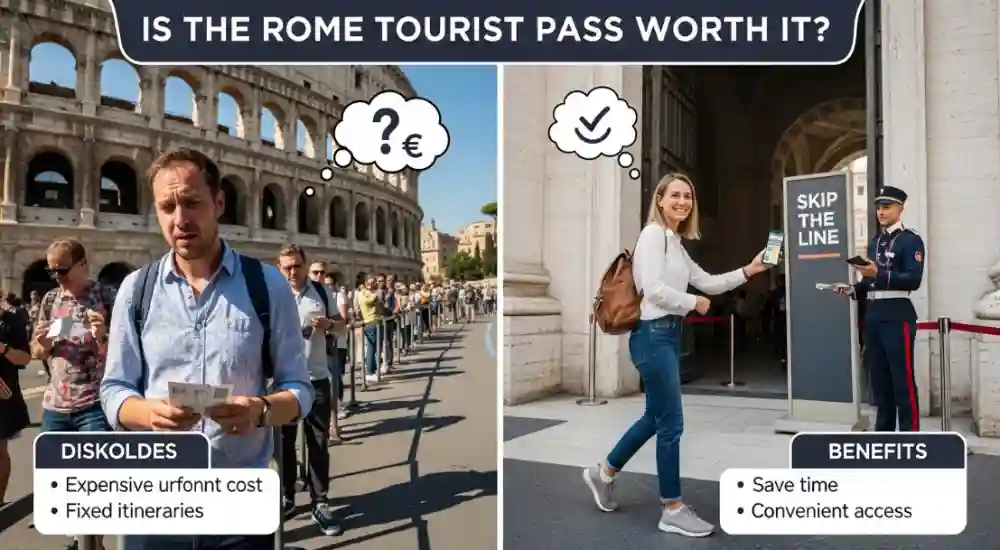
Roma Pass
The Roma Pass offers entry to selected museums and free public transport for a limited time. It can be useful if you plan to visit multiple paid attractions in a short stay, especially during a 3-day Rome itinerary.
Omnia Card
The Omnia Card is more expensive but includes Vatican access and skip-the-line benefits. It is best for travelers focusing heavily on Vatican-related sites.
Individual Tickets
For many visitors, buying individual tickets is often cheaper and more flexible. This is especially true if you are focusing on major highlights like the Colosseum, Trevi Fountain, and walking tours instead of multiple paid museums.
Top Things to Do in Rome
If there is one reason people create a Rome travel guide, it’s this section. Rome is packed with world-famous landmarks, ancient ruins, stunning churches, and beautiful squares. The key is not just seeing everything—but seeing the right places in the right order so your Rome itinerary feels smooth, not rushed.
Ancient Rome Highlights
This is the heart of the city and one of the most important parts of any Rome travel experience. These sites take you directly into the history of the Roman Empire.
Colosseum
The Colosseum is Rome’s most iconic landmark and one of the most visited attractions in the world. It was once used for gladiator battles and public events, and today it is a must-see for any first-time visitor.
Roman Forum
Just next to the Colosseum, the Roman Forum was the center of ancient Roman life. You’ll see ruins of temples, government buildings, and marketplaces that once formed the core of the empire.
Palatine Hill
One of the oldest parts of Rome, Palatine Hill offers incredible views over the Roman Forum and Colosseum. It is also linked to the myth of Romulus and Remus, the founders of Rome.
Vatican City Highlights
A separate country inside Rome, Vatican City is one of the most important religious and artistic destinations in the world.
Vatican Museums
The Vatican Museums contain one of the largest art collections on Earth. Expect long halls filled with sculptures, paintings, and historical artifacts.
Sistine Chapel
Inside the Vatican Museums, the Sistine Chapel is famous for Michelangelo’s ceiling paintings. It is one of the most breathtaking sights in any Rome travel guide experience.
St Peter’s Basilica
One of the largest churches in the world, St Peter’s Basilica is known for its massive dome, detailed interior, and spiritual importance.
Rome’s Iconic Squares & Fountains
Rome is not only about museums—it is also about open-air beauty. These spots are perfect for walking, photos, and evening atmosphere.
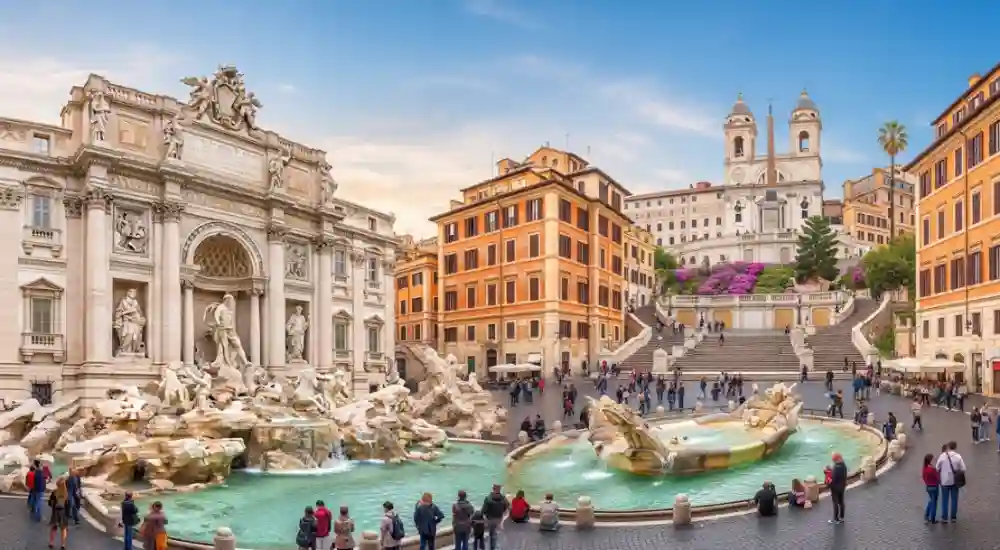
Trevi Fountain
The Trevi Fountain is one of the most famous fountains in the world. Tradition says that if you throw a coin into it, you will return to Rome.
Pantheon
The Pantheon is one of the best-preserved ancient buildings in Rome. Its massive dome and open roof hole make it architecturally unique.
Piazza Navona
A lively square filled with fountains, cafés, and street artists. It’s one of the best places to feel the energy of Rome tourism.
Spanish Steps
A popular meeting point in the city, the Spanish Steps connect Piazza di Spagna with the Trinità dei Monti church and are always full of life.
Hidden Gems Most Tourists Miss
Most travelers follow the same checklist, but Rome has many quieter spots that offer a more authentic experience. These hidden gems add depth to your Rome itinerary for first timers.
Examples include:
- Aventine Hill Keyhole View (perfect hidden photo spot)
- Basilica of San Clemente (layers of ancient history)
- Quartiere Coppedè (unique architectural style)
- Quiet riverside walks along the Tiber
These places help you see a more local side of the city beyond typical tourist paths.

Best Free Things to Do in Rome
Rome can be expensive, but many of its best experiences are completely free. This makes it easier to enjoy the city even if you are planning a Rome on a budget trip.
Top free activities include:
- Visiting Pantheon (free entry)
- Exploring Piazza Navona
- Walking through the Centro Storico streets
- Watching the sunset from Pincian Hill
- Tossing a coin at Trevi Fountain
- Visiting churches like St. Peter’s Basilica (free entry)
These experiences show that you don’t always need paid tickets to enjoy the best of visiting Rome.
The Perfect 3-Day Rome Itinerary for First-Time Visitors
A 3-day Rome itinerary is the most balanced way to experience the city without feeling rushed. It allows you to cover ancient history, Vatican highlights, and local neighborhoods while still enjoying food, walks, and atmosphere. This plan is ideal for anyone following a Rome travel guide for first-timers.
Day 1 – Ancient Rome Zone
Start your Rome vacation with the city’s most iconic historical area.
Focus on:
- Colosseum (book skip-the-line tickets early)
- Roman Forum (walk through ancient ruins)
- Palatine Hill (panoramic city views)
Spend your afternoon exploring nearby streets, grabbing lunch in Monti, and ending the day with a relaxed walk through the historic center.
Day 2 – Vatican + Historic Center
This day covers both spiritual and artistic highlights of Rome.
Morning:
- Vatican Museums
- Sistine Chapel
- St Peter’s Basilica
Afternoon:
- Walk to Castel Sant’Angelo
- Explore Piazza Navona
- Visit the Pantheon
- End at the Trevi Fountain
This is the busiest day of any Rome itinerary, so start early.
Day 3 – Trastevere + Hidden Gems
Your final day is slower and more local, perfect for experiencing real Roman life.
Explore:
- Trastevere streets and cafés
- Santa Maria in Trastevere
- Aventine Hill Keyhole View
- Riverside walks along the Tiber
This day gives your Rome travel experience a more relaxed and authentic feel.
How to Plan Rome by Neighborhood Instead of Zigzagging Across the City
One of the smartest ways to improve your Rome travel guide experience is to plan your days by neighborhoods instead of random attractions. Rome looks compact on a map, but travel time between sites can easily waste hours.
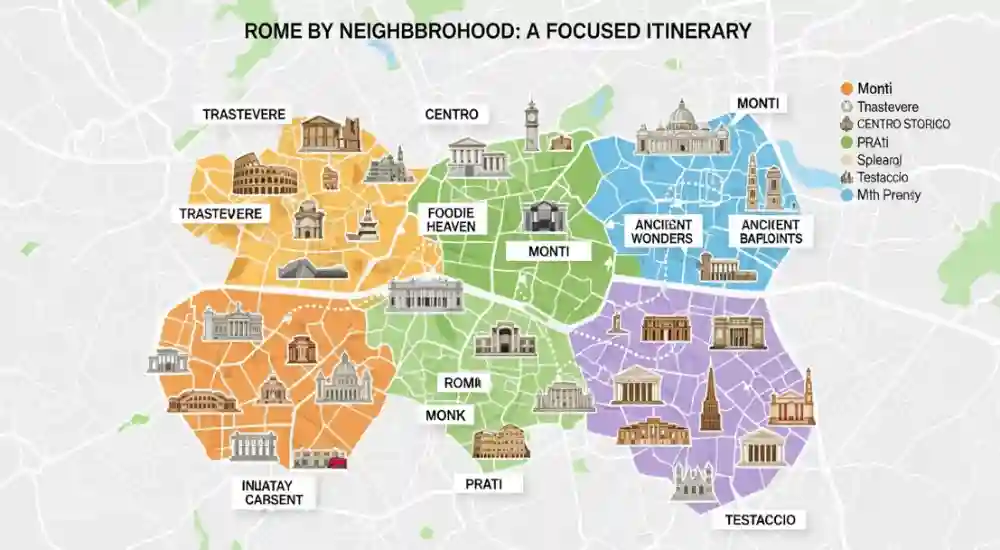
Instead of jumping across the city, group your Rome itinerary like this:
- Ancient Rome Zone: Colosseum, Forum, Palatine Hill
- Vatican Zone: Museums, Basilica, nearby castle
- Historic Center Zone: Pantheon, Piazza Navona, Trevi Fountain
- Trastevere Zone: Food, nightlife, local streets
This method reduces walking fatigue, saves transport time, and makes your Rome vacation feel more relaxed and organized.
How to Get Around Rome Without Wasting Time
Getting around Rome is simple once you understand the system. The best strategy is to combine walking with public transport depending on distance.
Metro
Fast and efficient for long distances. Only a few lines, but useful for reaching major zones like the Colosseum and Vatican area.
Buses
Useful but can be slow due to traffic. Good for short connections when metro is not available.
Walking
The best way to experience Rome. Most attractions in the historic center are close together, and walking lets you discover hidden streets.
Taxis
Useful late at night or for airport transfers, but more expensive than public transport.
Trains
Mainly used for airport connections and day trips outside Rome.
A smart Rome travel budget strategy is to rely mostly on walking + metro and avoid unnecessary taxi rides.
Rome Airport to City Center Guide
Arriving in Rome is easy once you know your airport options. The city has two main airports, and both connect well to the center.
Fiumicino Airport (FCO)
This is the main international airport used for most long-haul flights.
Ways to reach the city:
- Leonardo Express train (fastest option to Termini Station)
- Shuttle buses (cheaper but slower)
- Taxi (fixed fare option available)
Ciampino Airport (CIA)
A smaller airport mostly used by budget airlines.
Ways to reach the city:
- Shuttle bus to Termini
- Taxi (shorter distance than Fiumicino)
Taxi vs Train vs Shuttle
- Train: Fastest and most reliable (especially from Fiumicino)
- Shuttle: Cheapest but slower due to traffic
- Taxi: Most comfortable but expensive
For most first-time visitors following a Rome travel guide, the train is the best balance of speed and cost, especially after a long flight.
What Nobody Tells You About Walking in Rome
Walking is one of the best parts of any Rome travel guide experience, but it’s also the part most first-time visitors underestimate. Rome is a city you explore on foot—but it is not an easy, flat, modern city.
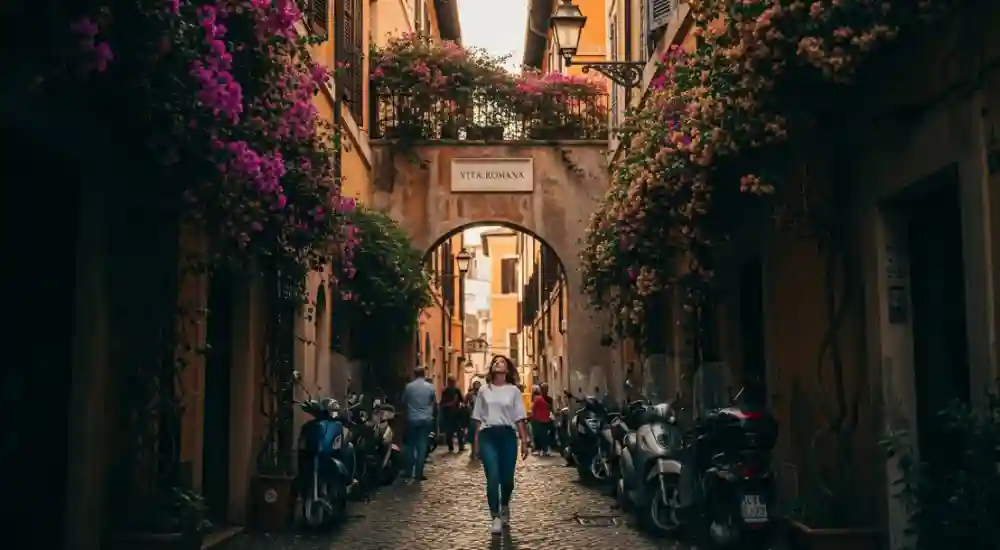
Cobblestones
Many streets in Rome are made of uneven cobblestones. They look beautiful, but they can slow you down and feel tiring after a few hours. Comfortable shoes are not optional—they are essential.
Hills
Rome is built on several hills, including areas like the Capitoline Hill and Aventine Hill. This means your walk is often up and down, even when distances look short on a map.
Heat
If you are visiting in summer, heat becomes a serious factor. Midday walks can feel exhausting, especially near open sites like the Colosseum or Roman Forum.
Comfortable Shoes
Good walking shoes can completely change your Rome vacation experience. Avoid sandals or thin soles, as they won’t handle long walking days well.
Step Count Reality
Most travelers underestimate how much they walk in Rome. It is very common to reach 15,000–25,000 steps per day during a full Rome itinerary, especially on sightseeing days.
Real Rome Travel Costs in 2026
Understanding real prices helps you build a realistic Rome travel budget and avoid surprises. Costs vary depending on your travel style, but here’s a clear breakdown.
Accommodation
- Budget hotels or hostels: €35–€80 per night
- Mid-range hotels: €90–€180 per night
- Luxury hotels: €200+ per night
Location strongly affects price, especially in central areas like Centro Storico.
Food
- Quick meals and pizza slices: €5–€10
- Casual restaurants: €15–€30 per meal
- Fine dining: €50+ per person
Eating outside tourist zones helps reduce your Rome vacation cost significantly.
Attractions
- Colosseum tickets: €18–€30+
- Vatican Museums: €17–€30+
- Guided tours: €30–€100+
Booking online early often saves time and sometimes money.
Transportation
- Metro/bus ticket: around €1.50–€2
- Daily transport usage: €5–€10
- Airport transfers: €6–€50 depending on method
Rome remains walkable, so transport costs can stay low.
Shopping
- Souvenirs: €5–€20
- Clothing and accessories: €30–€150+
- Local markets: budget-friendly options available
Where Rome Gets Expensive (And How to Avoid It)
Rome can feel expensive, but most high costs come from avoidable tourist habits.
It becomes expensive when you:
- Eat directly next to major landmarks like the Trevi Fountain
- Use taxis for short distances instead of walking or metro
- Buy last-minute attraction tickets
- Stay in overly central tourist zones without comparing prices
To avoid overspending during your Rome travel guide trip, move just a few streets away from major attractions and you will often find better food and lower prices immediately.
Rome on a Budget: Smart Money-Saving Tips
A Rome on a budget trip is absolutely possible with the right strategy.
Practical tips:
- Stay in Monti or Prati instead of luxury central streets
- Eat at local trattorias instead of tourist-facing restaurants
- Use public transport instead of taxis
- Book major attractions online in advance
- Explore free attractions like piazzas and churches
- Walk as much as possible instead of using transport
These small changes can significantly reduce your total Rome travel budget without reducing your experience.
What to Eat in Rome
Food is one of the strongest parts of any Rome vacation, and Roman cuisine is simple, flavorful, and deeply traditional.
Must-Try Roman Dishes
- Carbonara (creamy pasta with egg, cheese, guanciale)
- Cacio e Pepe (cheese and pepper pasta)
- Amatriciana (tomato and pork pasta)
- Supplì (fried rice balls)
- Roman-style pizza
Trying local dishes is a key part of the Rome travel experience.
Best Food Neighborhoods
Some areas offer better food quality than others:
- Testaccio for authentic Roman cuisine
- Trastevere for variety and nightlife dining
- Monti for trendy cafés and restaurants
These neighborhoods give you a more real taste of Rome than tourist-heavy zones.
Café Culture
Coffee in Rome is fast, simple, and part of daily life. Most locals drink espresso standing at the bar. Cappuccino is usually a morning drink only. Understanding this small habit improves your Rome city guide experience.
Avoiding Tourist Restaurants
Avoid restaurants with:
- Picture menus
- Aggressive staff outside
- Overly translated menus in multiple languages
Instead, walk a few streets away from landmarks for better food and prices. This is one of the most important Rome travel guide tips for food lovers.
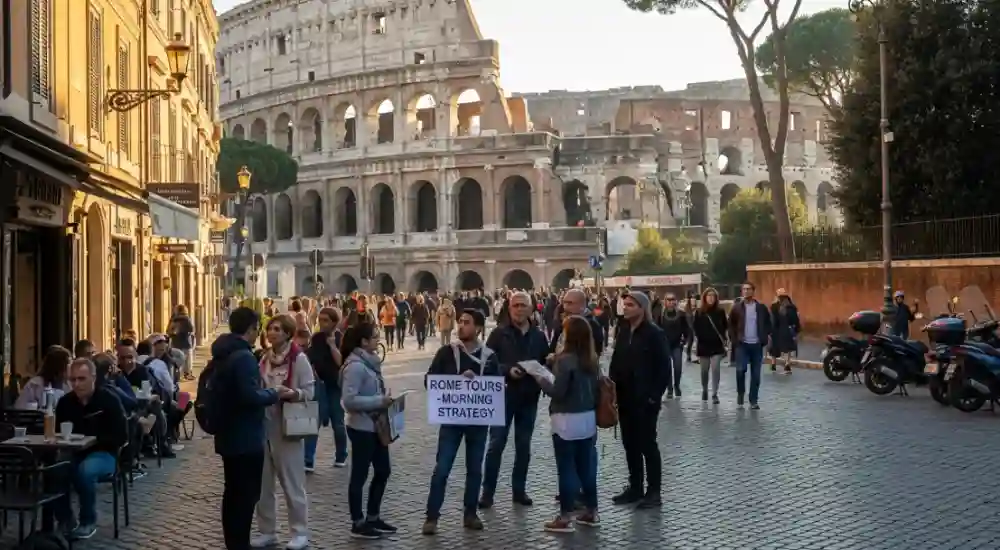
Rome Crowd Strategy—Best Times to Visit Major Attractions
Crowds are one of the biggest challenges in any Rome travel guide experience. The city is always popular, but timing your visits correctly can save hours of waiting and make your Rome itinerary much smoother.
Colosseum
The Colosseum is busiest between 10 AM and 3 PM. The best time to visit is early morning right after opening or late afternoon. These hours offer shorter lines and better lighting for photos.
Vatican
The Vatican Museums and Sistine Chapel are extremely crowded mid-morning. Arriving right at opening time or booking late afternoon entry helps you avoid peak tour groups.
Trevi Fountain
The Trevi Fountain is always busy, but early morning (before 8 AM) or late night is the only time you can experience it with fewer people and better photos.
Pantheon
The Pantheon is more relaxed compared to other sites, but midday crowds still gather. Early morning or late afternoon visits are more peaceful.
Is Rome Safe for Tourists?
Rome is generally safe for tourists and is one of the most visited cities in Europe. Most visits are trouble-free, especially in central areas like Centro Storico, Trastevere, and Monti.
However, like any major tourist destination, basic awareness is important, especially in crowded places and public transport.
Common Scams and Tourist Traps in Rome
While Rome is safe overall, tourists should be aware of a few common scams that can affect their Rome travel experience.
Pickpockets
Pickpocketing can happen in crowded areas like the metro, buses, and near major attractions such as the Colosseum and Vatican City. Keep bags close and avoid leaving valuables in open pockets.
Fake Petitions
People may approach tourists asking to sign petitions and then demand money afterward. It’s best to politely decline and keep walking.
Bracelet Scams
Some individuals may try to tie bracelets on your wrist and then ask for payment. Do not accept anything from strangers on the street.
Taxi Scams
Unlicensed taxis or unofficial drivers may overcharge tourists. Always use official taxis or ride apps when needed, especially for airport transfers.
Cultural Rules Tourists Often Miss
Understanding local customs can improve your Rome vacation experience and help you avoid uncomfortable situations.
Dress Codes
Churches like St. Peter’s Basilica require covered shoulders and knees. Light clothing is fine, but modest dressing is important for entry.
Tipping
Tipping is not mandatory in Rome. Service charges are often included, but rounding up or leaving small change is appreciated.
Restaurant Seating Charges
Some cafés and restaurants charge extra for sitting at a table compared to standing at the bar. This is common in central tourist areas.
Quiet Hours
Many residential areas follow quiet hours in the evening. Keeping noise low is considered respectful, especially in local neighborhoods.
Rome Travel Tips for Couples, Families, and Solo Travelers
Rome offers different experiences depending on your travel style, making it a flexible destination for all types of visitors.
- Couples: Focus on romantic walks in Trastevere, sunset views, and evening dinners in piazzas.
- Families: Choose central but calm areas like Prati for easy access and less walking stress.
- Solo travelers: Stay in Monti or Centro Storico for safety, walkability, and social atmosphere.
Adjusting your Rome itinerary based on your travel style improves comfort and reduces stress.

Best Apps That Make Rome Easier
Using the right apps can significantly improve your Rome travel guide experience, especially for navigation, tickets, and daily planning.
Navigation
Apps like Google Maps help with walking routes, public transport, and real-time directions across the city.
Metro Apps
Local transport apps help you understand metro lines, bus timings, and station routes more clearly.
Ticket Booking
Official booking apps and websites help you secure entry to popular attractions like the Colosseum and Vatican Museums in advance.
Translation
Translation apps are useful for menus, signs, and basic communication, especially outside tourist areas.
Water Fountain Finder
Rome has many free drinking fountains. Apps that locate these “nasoni” help you stay hydrated while saving money during your Rome vacation.
Emergency Numbers, Pharmacies & Useful Contacts in Rome
Even though Rome is a safe destination for most travelers, having basic emergency information is an important part of any Rome travel guide. It helps you stay prepared and confident during your Rome vacation, especially if you are visiting for the first time.
Emergency Numbers in Rome
- 112 – General emergency number (police, ambulance, fire services)
- 113 – Police assistance (alternative number)
- 118 – Medical emergencies and ambulance services
- 115 – Fire department
These numbers work across Italy and can be dialed for immediate help if needed.
Pharmacies in Rome
Pharmacies are widely available across the city and are marked with a green cross sign. In your Rome itinerary, you will always find at least one pharmacy open near major tourist areas like Centro Storico, Termini Station, and Trastevere.
Important tips:
- Regular pharmacies operate during daytime hours
- “Farmacia di turno” means a 24-hour or night-shift pharmacy
- Staff can help with basic medical advice and over-the-counter medicine
Useful Contacts for Tourists
- Tourist Helpline (Rome City): +39 060608
- Lost and Found (Public Transport): Available at metro stations and official ATAC offices
- Airport Help Desks: Located at both Fiumicino and Ciampino airports
- Embassies: Keep your country’s embassy contact saved before traveling
Having these contacts saved in your phone is a smart step in any Rome travel guide plan, especially if you are traveling independently.
FAQs About Visiting Rome
Is Rome worth visiting?
Yes, Rome is one of the most historic and culturally rich cities in the world. It offers ancient ruins, world-famous landmarks, and incredible food experiences in one destination.
Is 3 days enough for Rome?
Yes, 3 days in Rome is ideal for first-time visitors. It allows you to see major attractions like the Colosseum, Vatican City, and historic center without rushing.
Is Rome expensive?
Rome can be both budget-friendly and expensive depending on your travel style. A typical Rome travel budget ranges from €80 to €250 per day.
What should I book first in Rome?
You should book the Colosseum, Vatican Museums, and Borghese Gallery first, as these often sell out during peak season.
What area is best for first-time visitors?
The best areas for a Rome itinerary for first timers are Centro Storico, Monti, and Trastevere, as they are central and well-connected.
Is Rome safe at night?
Yes, Rome is generally safe at night in central areas. However, basic awareness is important, especially in crowded tourist spots and transport hubs.
Should I buy the Roma Pass?
The Roma Pass can be useful if you plan to visit multiple museums and use public transport often. Otherwise, individual tickets are often more flexible.
Final Verdict
The best way to enjoy Rome is not by rushing through attractions, but by planning smartly. A successful Rome travel guide experience comes down to three things: timing, location, and pacing.
If you focus on a 3-day Rome itinerary, stay in the right neighborhood, and book major attractions in advance, you can avoid most common tourist problems. Combine ancient landmarks with relaxed neighborhood walks in Trastevere or Monti, and balance sightseeing with food and free experiences.
Rome rewards slow travel. When you avoid zigzagging across the city and follow a structured plan, your Rome vacation becomes more enjoyable, less stressful, and far more memorable.