
Iceland is a destination that feels like another world. From powerful waterfalls and volcanic landscapes to black sand beaches and glacier lagoons, there are countless things to do in Iceland for every type of traveler. Whether you are planning your first visit or returning for a new adventure, this beautiful island offers some of the most unforgettable Iceland attractions and experiences in Europe.
If you’re wondering what to do in Iceland, this guide covers everything from famous landmarks and scenic road trips to hidden gems that many visitors miss. You’ll discover the best things to do in Iceland, explore iconic places like Reykjavik, the Golden Circle, and Jökulsárlón Glacier Lagoon, and find ideas for every season. Whether you’re creating an Iceland itinerary, searching for unique experiences, or looking for the top places to visit in Iceland, this guide will help you plan an unforgettable trip.
Quick Answer: What Are the Best Things to Do in Iceland?
The best things to do in Iceland include seeing the Northern Lights, exploring the famous Golden Circle, relaxing in the Blue Lagoon, visiting Jökulsárlón Glacier Lagoon, hiking on a glacier, taking a scenic South Coast road trip, and going whale watching. These unforgettable experiences showcase Iceland’s dramatic landscapes, unique natural wonders, and outdoor adventures.
For first-time visitors, the top Iceland attractions combine stunning scenery with memorable activities. Whether you want to discover black sand beaches, chase waterfalls, explore volcanoes, or enjoy geothermal hot springs, there are endless things to do in Iceland throughout the year. Most travelers include the Golden Circle, Reykjavik, the South Coast, and Jökulsárlón Glacier Lagoon in their Iceland itinerary because they offer some of the country’s most iconic sights.
Essential Iceland Travel Facts Before You Go
Planning can help you make the most of your trip. Before deciding what to do in Iceland, it’s important to understand the best time to visit, how many days you’ll need, transportation options, and typical travel costs.
Best Time to Visit Iceland
The best time to visit Iceland depends on what you want to experience. Summer, from June to August, offers mild weather, long daylight hours, and excellent conditions for road trips and hiking. Winter, from September to April, is ideal for seeing the Northern Lights, exploring ice caves, and enjoying snowy landscapes.
Spring and autumn are quieter seasons that often bring fewer crowds and lower prices while still offering access to many of Iceland’s top attractions.
How Many Days Do You Need in Iceland?
For first-time visitors, 5 to 7 days in Iceland is usually enough to explore the country’s highlights, including Reykjavik, the Golden Circle, and the South Coast. Travelers who want to drive the entire Ring Road should plan for at least 10 to 14 days.
A shorter trip can still include many of the best places to visit in Iceland, while a longer stay allows you to discover hidden gems and remote regions.
Is Iceland Expensive?
Yes, Iceland is considered one of the more expensive travel destinations in Europe. Accommodation, dining, transportation, and guided tours can cost more than in many other countries. However, many natural attractions, including waterfalls, scenic viewpoints, and hiking trails, can be enjoyed at little or no cost.
Budget-conscious travelers can save money by booking accommodations early, preparing some meals, and traveling during the shoulder seasons.
Do You Need a Rental Car?
A rental car is one of the best ways to explore Iceland, especially if you plan to visit places beyond Reykjavik. Having your own vehicle gives you the freedom to explore waterfalls, glaciers, black sand beaches, and remote attractions at your own pace.
For travelers interested in a Ring Road itinerary or visiting hidden gems, renting a car is highly recommended.
Can You Visit Iceland Without Driving?
Yes, you can visit Iceland without driving. Many travelers stay in Reykjavik and join guided tours to popular destinations such as the Golden Circle, Blue Lagoon, South Coast, and Jökulsárlón Glacier Lagoon.
Public transportation is limited outside major towns, but organized tours make it possible to experience many of the country’s top things to do in Iceland without renting a car. This option is especially convenient for solo travelers, couples, and visitors planning a short stay.
Best Things to Do in Iceland

Explore the Golden Circle
The Golden Circle is one of the most popular routes in Iceland and a must for first-time visitors. This famous loop is packed with some of the country’s most iconic attractions, making it one of the best things to do in Iceland. Located close to Reykjavik, it can easily be explored in a single day and offers a perfect introduction to Iceland’s dramatic landscapes.
Þingvellir National Park
A visit to Þingvellir National Park is one of the top places to visit in Iceland. This UNESCO World Heritage Site sits between the North American and Eurasian tectonic plates, allowing visitors to walk between two continents. The park is also home to Iceland’s first parliament, making it an important historical and cultural landmark.
Geysir Geothermal Area
The Geysir Geothermal Area showcases Iceland’s volcanic power. While the original Geysir is mostly inactive today, nearby Strokkur erupts every few minutes, shooting hot water high into the air. Watching this natural phenomenon is one of the most exciting Iceland attractions along the Golden Circle.
Gullfoss Waterfall
Known as the “Golden Falls,” Gullfoss Waterfall is one of Iceland’s most breathtaking waterfalls. Powerful glacial water plunges into a rugged canyon, creating incredible views year-round. It remains one of the most photographed landmarks in the country and deserves a spot on every Iceland itinerary.
Relax in the Blue Lagoon
No list of the best things to do in Iceland would be complete without the famous Blue Lagoon. Surrounded by lava fields, this world-renowned geothermal spa is known for its warm mineral-rich waters and relaxing atmosphere. It’s one of the most visited Iceland attractions and a favorite stop for travelers arriving or departing from Reykjavik.
Is Blue Lagoon Worth It?
For many visitors, the answer is yes. The unique setting, soothing water, and luxurious facilities make it a memorable experience. While it can be expensive, the Blue Lagoon remains one of the most iconic Iceland experiences and is often considered a bucket-list attraction.
Alternatives to Blue Lagoon
If you’re looking for a quieter or more affordable option, Iceland offers several excellent geothermal pools.
Sky Lagoon
Located near Reykjavik, Sky Lagoon has quickly become one of the country’s most popular spas. Visitors can enjoy stunning ocean views while experiencing Iceland’s bathing culture in a more modern setting.
Secret Lagoon
The Secret Lagoon offers a more traditional hot spring experience. Located near the Golden Circle, it provides a peaceful atmosphere with fewer crowds than the Blue Lagoon.
Visit Jökulsárlón Glacier Lagoon
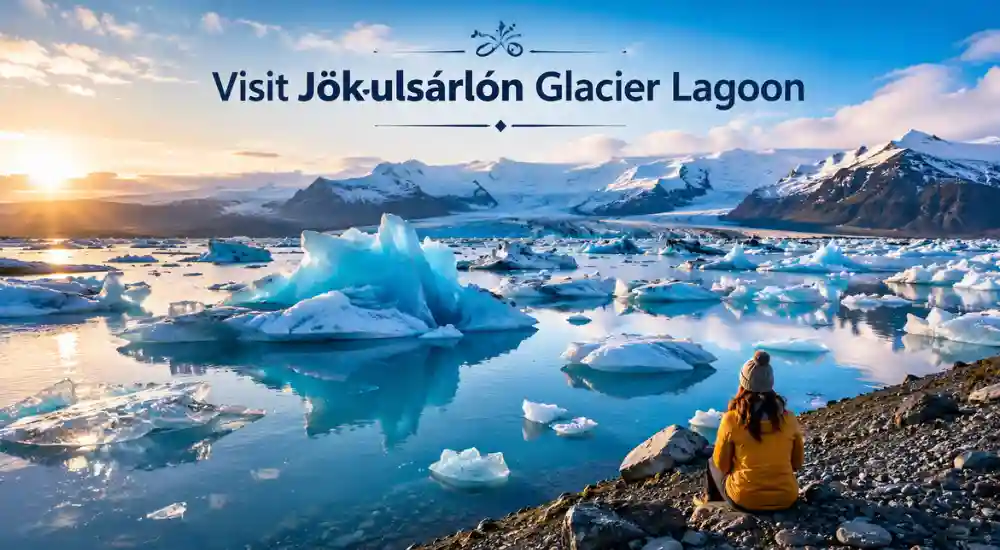
One of the most spectacular places to visit in Iceland is Jökulsárlón Glacier Lagoon. Massive icebergs break away from a nearby glacier and drift slowly across the lagoon before reaching the ocean. The scenery feels almost unreal and is often featured in movies and travel photography.
For many travelers, visiting Jökulsárlón is one of the absolute best things to do in Iceland and a highlight of any South Coast Iceland road trip.
Best Time to Visit
Jökulsárlón can be visited throughout the year. Summer offers longer daylight hours and easier driving conditions, while winter creates magical snowy landscapes and opportunities to explore nearby ice caves.
Boat Tours
Boat tours allow visitors to get closer to the floating icebergs and experience the lagoon from a unique perspective. Guided tours are available during the warmer months and provide excellent opportunities for photography.
Walk Along Diamond Beach
Just across the road from Jökulsárlón Glacier Lagoon lies the stunning Diamond Beach. Here, chunks of ice wash ashore and sparkle against the black volcanic sand like giant diamonds.
This unique contrast between crystal-clear ice and dark sand creates one of the most beautiful landscapes in Iceland. It’s a favorite destination for photographers and one of the most unforgettable things to do in Iceland. Visiting both Diamond Beach and Jökulsárlón together is highly recommended for anyone exploring the South Coast.
Chase Iceland’s Most Beautiful Waterfalls
Iceland is famous for its waterfalls, and chasing these natural wonders is one of the most rewarding activities in Iceland. From towering cascades to hidden falls surrounded by lava fields, every waterfall offers something unique.
Seljalandsfoss
Seljalandsfoss is one of Iceland’s most famous waterfalls because visitors can walk behind the curtain of water. The unique perspective and surrounding scenery make it a must-see attraction along the South Coast.
Skógafoss
With a drop of nearly 200 feet, Skógafoss is one of the largest and most powerful waterfalls in Iceland. On sunny days, visitors often spot rainbows forming in the mist, creating a picture-perfect scene.
Dettifoss
Located in North Iceland, Dettifoss is considered Europe’s most powerful waterfall. The sheer force of the water is impressive and makes this destination a favorite among adventure travelers.
Hraunfossar
Unlike most waterfalls, Hraunfossar flows through a lava field before emerging as countless small streams that cascade into a river below. Its unique appearance makes it one of Iceland’s hidden gems and a wonderful addition to any Iceland travel guide.
See the Northern Lights
Watching the Northern Lights in Iceland is a dream experience for many travelers. Also known as the Aurora Borealis, this natural light display fills the night sky with shades of green, purple, and pink. For many visitors, seeing the Northern Lights is one of the best things to do in Iceland and a major reason to visit during winter.
Best Months
The best time to see the Northern Lights is between September and April when nights are dark enough for viewing. Clear skies and minimal light pollution increase your chances of witnessing this incredible phenomenon.
Tips for Success
- Check local aurora forecasts before heading out.
- Travel away from city lights for better visibility.
- Be patient, as sightings depend on weather conditions.
- Dress warmly, especially during winter nights.
Joining a guided tour can also improve your chances of seeing one of Iceland’s most famous natural attractions.
Explore Reynisfjara Black Sand Beach
Reynisfjara Black Sand Beach is one of the most unique places to visit in Iceland. Located near the village of Vik on the South Coast, this dramatic beach is known for its black volcanic sand, towering basalt columns, and powerful Atlantic waves.
The nearby Reynisdrangar Sea Stacks add to the landscape’s beauty and are surrounded by local folklore. Whether you’re taking photos or simply enjoying the scenery, Reynisfjara is one of the top Iceland attractions you shouldn’t miss.
Visitors should always respect warning signs and stay away from the water, as the beach is known for strong sneaker waves.
Hike on a Glacier
Glacier hiking is one of the most exciting Iceland experiences for adventure lovers. Walking across ancient ice formations allows you to see deep crevasses, sparkling blue ice, and incredible views that few places on Earth can offer.
For travelers seeking unique and adventurous things to do in Iceland, glacier hiking is an unforgettable experience.
Popular Glacier Hikes
Some of the most popular glacier hiking locations include:
- Sólheimajökull Glacier
- Vatnajökull National Park
- Skaftafell Nature Reserve
- Falljökull Glacier
Guided tours provide the equipment and safety training needed to explore these icy landscapes.
What to Expect
Most glacier hikes last between three and six hours. Guides typically provide helmets, crampons, and ice axes. While no previous experience is required for many tours, moderate fitness is recommended.
The combination of adventure, scenery, and unique geological features makes glacier hiking one of the best things to do in Iceland for first-time visitors.
Visit an Ice Cave
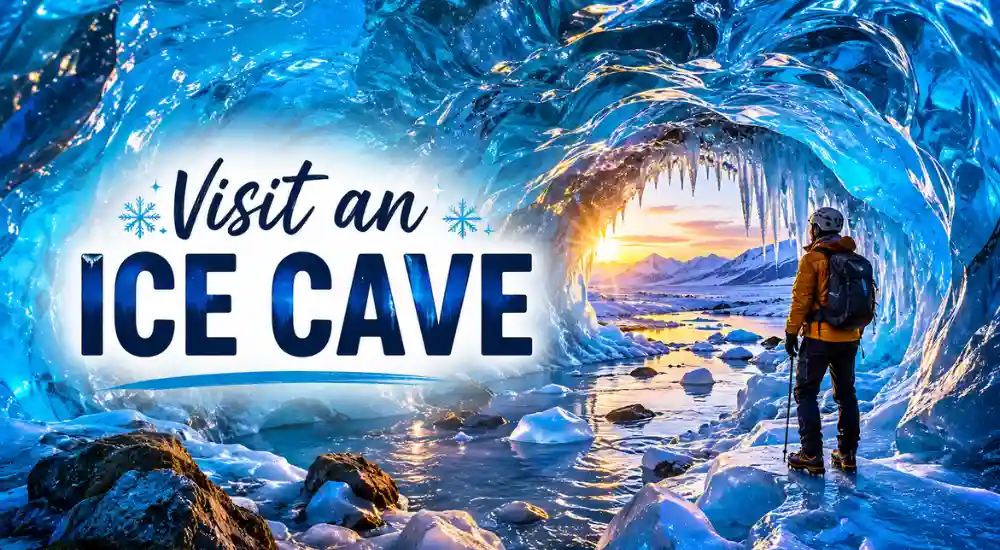
Exploring a natural ice cave is one of the most magical things to do in Iceland in winter. These caves form inside glaciers and feature stunning blue ice walls, frozen tunnels, and constantly changing formations.
Every year, new caves appear as glaciers shift and move, making each visit unique.
Winter Ice Cave Tours
Most ice cave tours in Iceland operate between November and March when conditions are safest. The most popular tours take place within Vatnajökull National Park, home to Europe’s largest glacier.
Because ice caves change every season, visiting with an experienced guide is essential for both safety and access.
Drive Iceland’s South Coast
A South Coast Iceland road trip is one of the best ways to experience the country’s incredible variety of landscapes. This region is packed with waterfalls, glaciers, black sand beaches, volcanic terrain, and charming coastal villages.
Highlights along the route include:
- Seljalandsfoss
- Skógafoss
- Reynisfjara Black Sand Beach
- Vik
- Jökulsárlón Glacier Lagoon
- Diamond Beach
For many travelers, the South Coast offers the perfect introduction to Iceland’s natural beauty and is an essential part of any Iceland itinerary.
Road Trip the Ring Road
The famous Ring Road circles the entire country and connects many of Iceland’s top attractions. Driving this route is one of the ultimate Iceland bucket list experiences, allowing visitors to explore waterfalls, glaciers, mountains, volcanoes, and remote coastal towns.
How Long It Takes
While it’s possible to drive the Ring Road in about a week, most travelers prefer spending 10 to 14 days exploring the route comfortably. This allows enough time to enjoy the scenery and visit hidden gems along the way.
Highlights
Some of the most memorable Ring Road stops include:
- Golden Circle
- Jökulsárlón Glacier Lagoon
- Diamond Beach
- Eastfjords
- Lake Mývatn
- Dettifoss
- Akureyri
- Snæfellsnes Peninsula
A Ring Road adventure remains one of the most rewarding things to do in Iceland for travelers who want to see as much of the country as possible.
Go Whale Watching
With nutrient-rich waters surrounding the island, Iceland is one of Europe’s best destinations for whale watching. Depending on the season, visitors may spot humpback whales, minke whales, white-beaked dolphins, and even orcas.
This unforgettable wildlife experience is often ranked among the best things to do in Iceland.
Best Locations
The top whale watching destinations include:
- Reykjavik
- Akureyri
- Húsavík
Many travelers consider Húsavík the whale-watching capital of Iceland due to its high success rates and excellent marine biodiversity.
See Puffins in Their Natural Habitat
Iceland is home to millions of puffins during the summer months. These colorful seabirds attract wildlife lovers and photographers from around the world.
Seeing puffins in their natural environment is one of the most unique Iceland activities, especially for visitors traveling between May and August.
Best Puffin Viewing Areas
Some of the best locations to see puffins include:
- Dyrhólaey
- Látrabjarg Cliffs
- Vestmannaeyjar (Westman Islands)
- Borgarfjörður Eystri
Early morning and evening are often the best times to observe these fascinating birds.
Snorkel Between Two Continents at Silfra
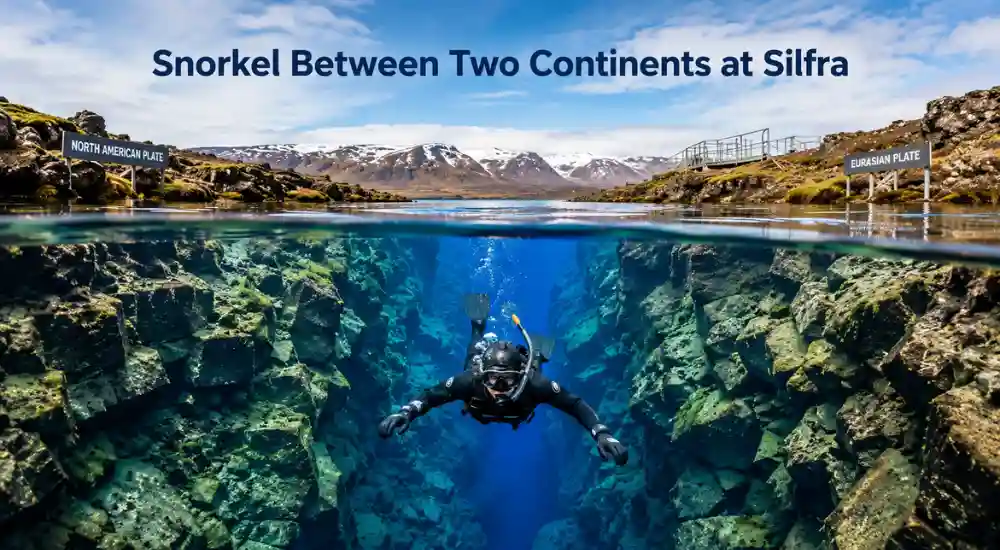
One of Iceland’s most extraordinary experiences is snorkeling in Silfra, a crystal-clear fissure located in Þingvellir National Park. Here, visitors can swim between the North American and Eurasian tectonic plates, making it one of the most unique things to do in Iceland.
Silfra is known for having some of the clearest water in the world, with visibility often exceeding 100 meters. The water is filtered naturally through volcanic rock, creating an incredibly pure underwater environment.
Although the water remains cold year-round, participants wear dry suits that keep them warm and comfortable. For adventure seekers looking for something different, snorkeling at Silfra is one of the most unforgettable Iceland experiences and a hidden gem that many competitors overlook.
Explore Iceland’s Volcanoes
Iceland is one of the most volcanically active countries in the world, making volcano exploration one of the most exciting things to do in Iceland. The island sits on the Mid-Atlantic Ridge, where tectonic plates constantly shift and create dramatic landscapes shaped by lava and volcanic activity.
From vast lava fields to recently erupted craters, Iceland offers a rare opportunity to witness the power of nature up close.
Active Volcano Regions
Several regions are known for their volcanic activity, including:
- Reykjanes Peninsula
- Fagradalsfjall Volcano
- Askja Caldera
- Landmannalaugar
- Þórsmörk Valley
Recent eruptions on the Reykjanes Peninsula have attracted visitors from around the world and highlighted Iceland’s dynamic geology.
Volcano Hikes
Guided volcano hikes allow visitors to explore lava fields, volcanic craters, and eruption sites safely. These hikes offer incredible views and a deeper understanding of how Iceland’s landscapes were formed.
For adventure seekers, volcano hiking is one of the most unique Iceland experiences available.
Ride an Icelandic Horse
One of the most authentic Iceland activities is riding an Icelandic horse. These horses have been part of Icelandic culture for over a thousand years and are known for their friendly nature, strength, and unique gait called the tölt.
Horseback riding tours take visitors through lava fields, valleys, beaches, and scenic countryside, offering a different perspective on Iceland’s natural beauty.
Even beginners can enjoy this experience, making it one of the best things to do in Iceland for first-time visitors.
Visit Reykjavik
No Iceland itinerary is complete without spending time in Reykjavik, the country’s vibrant capital city. While Iceland is famous for its natural wonders, Reykjavik offers a mix of culture, history, architecture, and local food experiences.
The city is compact, walkable, and serves as an excellent base for exploring nearby attractions.
Hallgrímskirkja
One of Reykjavik’s most recognizable landmarks, Hallgrímskirkja, towers over the city skyline. Visitors can take an elevator to the top for panoramic views of Reykjavik and the surrounding mountains.
Sun Voyager
The Sun Voyager is a striking waterfront sculpture that has become one of Reykjavik’s most photographed attractions. Its design symbolizes exploration, hope, and discovery.
Harpa Concert Hall
The modern Harpa Concert Hall is famous for its beautiful glass architecture. Whether you attend a performance or simply admire the building, it is one of the top Reykjavik attractions worth visiting.
Discover the Snæfellsnes Peninsula

Often called “Iceland in Miniature,” the Snæfellsnes Peninsula offers a little bit of everything that makes Iceland special. Visitors can see volcanoes, glaciers, lava fields, waterfalls, black sand beaches, and charming fishing villages all within a relatively small area.
This region is one of the best places to visit in Iceland for travelers who want to experience diverse landscapes without driving around the entire country.
Why It’s Called Iceland in Miniature
The peninsula showcases many of Iceland’s most famous natural features in one destination. Highlights include:
- Snæfellsjökull Glacier
- Kirkjufell Mountain
- Djúpalónssandur Beach
- Arnarstapi Cliffs
- Lóndrangar Sea Stacks
Because of its variety, many travelers consider it one of the most rewarding day trips from Reykjavik.
Explore the Westfjords
The Westfjords remain one of Iceland’s least-visited regions, making them perfect for travelers seeking hidden gems and fewer crowds. This remote area offers dramatic cliffs, winding coastal roads, picturesque villages, and untouched wilderness.
For visitors searching for unique things to do in Iceland, the Westfjords provide a completely different experience compared to the more popular tourist routes.
Top attractions include:
- Dynjandi Waterfall
- Látrabjarg Cliffs
- Rauðasandur Beach
- Ísafjörður
Exploring the Westfjords is one of the best ways to discover a quieter side of Iceland.
Visit the Icelandic Highlands
The remote Icelandic Highlands are among the country’s most spectacular yet overlooked destinations. Accessible mainly during summer, this rugged interior region features volcanic deserts, colorful mountains, geothermal valleys, and breathtaking hiking trails.
For adventurous travelers, visiting the Highlands is one of the most unforgettable things to do in Iceland.
Popular areas include:
- Landmannalaugar
- Kerlingarfjöll
- Askja
- Þórsmörk
The Highlands showcase some of Iceland’s most dramatic and untouched landscapes.
Experience the Midnight Sun
During summer, Iceland experiences the Midnight Sun, a natural phenomenon where daylight lasts almost 24 hours a day. From late May through July, travelers can enjoy extended sightseeing, late-night hikes, and unique photography opportunities.
The Midnight Sun transforms the landscape with beautiful golden light and creates opportunities to explore attractions at quieter times of the day.
For many visitors, experiencing endless daylight is one of the most memorable Iceland bucket list experiences.
Visit Hidden Hot Springs
While the Blue Lagoon receives most of the attention, Iceland is home to many lesser-known geothermal pools that offer a more peaceful experience.
Exploring hidden hot springs is one of the most relaxing things to do in Iceland, especially after a day of hiking or sightseeing.
Reykjadalur Hot Spring River
Located near the town of Hveragerði, Reykjadalur Hot Spring River combines hiking with natural bathing. Visitors walk through a beautiful geothermal valley before soaking in the warm river.
Hvammsvik Hot Springs
Situated along a scenic coastline, Hvammsvik Hot Springs offers stunning ocean views and a tranquil atmosphere. It has quickly become one of Iceland’s most sought-after hidden gems.
Kayak Among Icebergs
For a truly unique adventure, consider kayaking among floating icebergs at Jökulsárlón Glacier Lagoon. Paddling through calm waters surrounded by massive chunks of ice creates an unforgettable experience unlike anywhere else in the world.
Kayaking allows visitors to get closer to the icebergs while enjoying incredible views of glaciers and wildlife.
It’s one of the most exciting Iceland adventure activities and a favorite among outdoor enthusiasts.
Photograph Iceland’s Most Scenic Locations
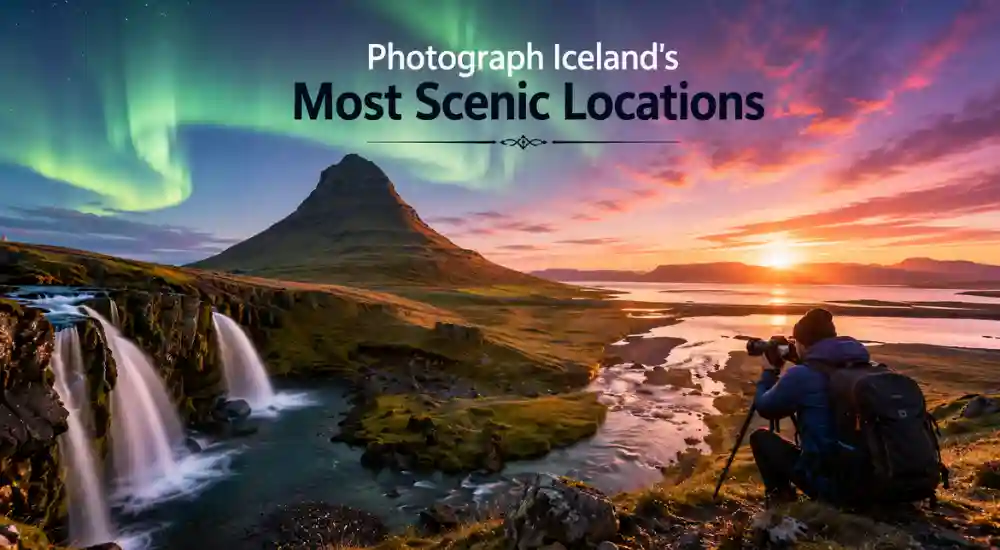
Iceland is a paradise for photographers. Its dramatic landscapes, waterfalls, glaciers, volcanoes, and coastal scenery provide endless opportunities for stunning images.
Some of the best photography spots include:
- Kirkjufell Mountain
- Jökulsárlón Glacier Lagoon
- Diamond Beach
- Reynisfjara Black Sand Beach
- Skógafoss
- Vestrahorn Mountain
- Seljalandsfoss
Whether you’re using a professional camera or a smartphone, capturing Iceland’s beauty is one of the most rewarding experiences.
Visit Lesser-Known Hidden Gems
Beyond the famous attractions, Iceland is filled with incredible destinations that many travelers overlook. Adding these locations to your Iceland travel itinerary can help you experience a quieter and more authentic side of the country.
Fjaðrárgljúfur Canyon
This stunning canyon features steep cliffs, winding rivers, and panoramic viewpoints. It’s one of Iceland’s most beautiful natural wonders and a favorite among hikers and photographers.
Stuðlagil Canyon
Known for its striking basalt columns and turquoise water, Stuðlagil Canyon has become one of Iceland’s most impressive hidden gems. Despite growing popularity, it still feels far less crowded than many famous attractions.
Hvitserkur
Rising from the sea along Iceland’s northern coast, Hvitserkur is a dramatic rock formation often compared to a dragon drinking from the ocean. It is one of the country’s most unique landmarks and a fantastic photography location.
These lesser-known destinations prove that some of the most memorable places to visit in Iceland are often found away from the main tourist trail.
Things to Do in Iceland by Season
One of the best things about Iceland is that every season offers a completely different experience. Whether you’re planning a summer road trip or hoping to see the Northern Lights, choosing the right season can help you get the most out of your Iceland itinerary.
Best Things to Do in Iceland in Summer
Summer, from June to August, brings mild temperatures and nearly 24 hours of daylight thanks to the Midnight Sun. It’s the perfect season for outdoor adventures and exploring remote regions.
Popular summer activities include:
- Driving the Ring Road
- Visiting the Icelandic Highlands
- Hiking in Landmannalaugar
- Watching puffins along coastal cliffs
- Exploring the Snæfellsnes Peninsula
- Kayaking at Jökulsárlón Glacier Lagoon
- Camping and scenic road trips
Summer is often considered the best season for first-time visitors because road conditions are easier and most attractions are fully accessible.
Best Things to Do in Iceland in Winter
Winter transforms Iceland into a magical landscape of snow-covered mountains, frozen waterfalls, and icy caves.
Top winter experiences include:
- Seeing the Northern Lights
- Exploring natural ice caves
- Snowmobiling on glaciers
- Visiting geothermal hot springs
- Whale watching
- Winter photography tours
- Glacier hiking
If seeing the Aurora Borealis is your priority, winter is the best time to visit Iceland.
Best Things to Do in Iceland in Spring
Spring offers fewer crowds and gradually improving weather conditions. It’s a great time to enjoy Iceland’s natural beauty before the busy summer season begins.
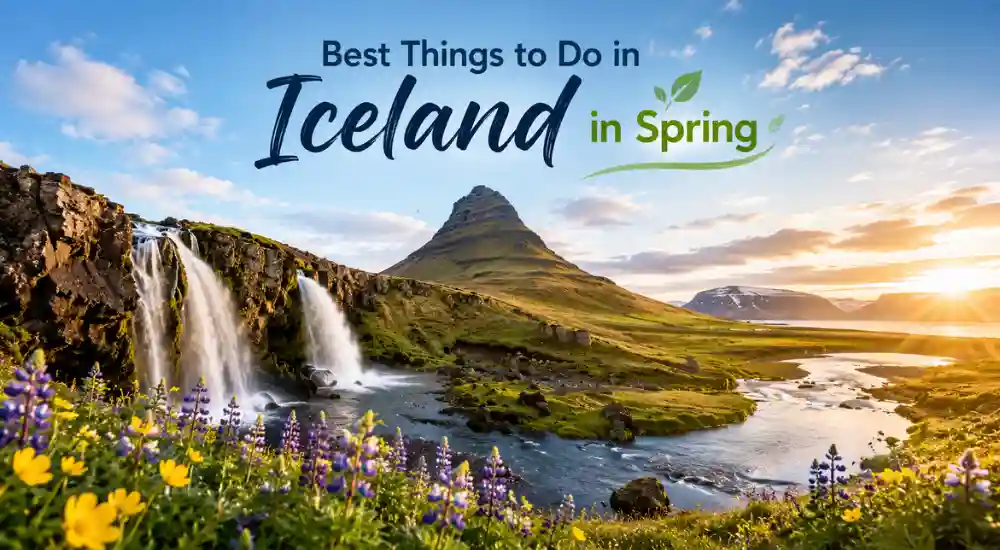
Popular spring activities include:
- Waterfall sightseeing
- Golden Circle tours
- Whale watching
- Exploring Reykjavik
- Scenic South Coast drives
- Early hiking opportunities
Spring often provides a good balance between affordability and accessibility.
Best Things to Do in Iceland in Autumn
Autumn is one of Iceland’s most underrated seasons. The landscapes are filled with colorful foliage, visitor numbers decrease, and the Northern Lights begin to return.
Highlights include:
- Northern Lights viewing
- Road trips through the countryside
- Photography tours
- Glacier hiking
- Exploring hidden gems
- Visiting hot springs
Autumn is an excellent choice for travelers looking for fewer crowds and beautiful scenery.
Suggested Iceland Itineraries
The ideal Iceland itinerary depends on how much time you have available. Here are some suggested routes for first-time visitors.
3-Day Iceland Itinerary
Perfect for a short getaway.
Day 1
- Explore Reykjavik
- Visit Hallgrímskirkja
- Relax at the Blue Lagoon
Day 2
- Drive the Golden Circle
- Visit Þingvellir National Park
- See Geysir and Gullfoss
Day 3
- Explore the South Coast
- Visit Seljalandsfoss
- Stop at Reynisfjara Black Sand Beach
5-Day Iceland Itinerary
Ideal for travelers wanting to see Iceland’s highlights.
Days 1–2
- Reykjavik
- Blue Lagoon
- Golden Circle
Days 3–5
- South Coast
- Skógafoss
- Vik
- Jökulsárlón Glacier Lagoon
- Diamond Beach
7-Day Iceland Itinerary
A great option for first-time visitors.
Days 1–3
- Reykjavik
- Golden Circle
- South Coast
Days 4–5
- Vatnajökull National Park
- Glacier hiking
- Ice cave tours (seasonal)
Days 6–7
- Snæfellsnes Peninsula
- Whale watching
- Hidden hot springs
10-Day Ring Road Itinerary
The ultimate Iceland road trip.
Highlights
- Reykjavik
- Golden Circle
- South Coast
- Jökulsárlón Glacier Lagoon
- Eastfjords
- Lake Mývatn
- Dettifoss
- Akureyri
- Snæfellsnes Peninsula
A 10-day journey gives travelers enough time to experience many of the best places to visit in Iceland without rushing.
First-Time Visitor Tips
Planning can help you avoid common mistakes and make your trip more enjoyable.
What Not to Miss in Iceland
If it’s your first visit, prioritize these experiences:
- Golden Circle
- Blue Lagoon
- Jökulsárlón Glacier Lagoon
- Northern Lights
- Reynisfjara Black Sand Beach
- South Coast road trip
- Glacier hiking
These attractions consistently rank among the best things to do in Iceland.
Common Travel Mistakes
Many travelers make avoidable mistakes during their trip.
Try to avoid:
- Underestimating driving distances
- Ignoring weather forecasts
- Overpacking your itinerary
- Skipping travel insurance
- Not booking accommodations early
Iceland’s weather can change quickly, even during summer.
Budget-Saving Tips
Although Iceland is known for being expensive, there are ways to save money.
- Travel during spring or autumn
- Book accommodations early
- Shop at local grocery stores
- Use refillable water bottles
- Choose free natural attractions
Many of Iceland’s most beautiful sights cost little or nothing to visit.
Packing Essentials
No matter the season, it’s important to be prepared.
Pack:
- Waterproof jacket
- Waterproof hiking shoes
- Warm layers
- Gloves and a hat
- Power bank
- Swimsuit for hot springs
- Reusable water bottle
Having the right gear will make exploring Iceland much more comfortable.
Frequently Asked Questions
What is the number one thing to do in Iceland?
Many travelers consider visiting Jökulsárlón Glacier Lagoon and seeing the Northern Lights among the most unforgettable experiences in Iceland.
Is 5 days enough in Iceland?
Yes. A 5-day trip allows visitors to explore Reykjavik, the Golden Circle, the South Coast, and several of Iceland’s most famous attractions.
What is the best thing to do in Iceland?
One of the best things to do in Iceland is exploring the Golden Circle, where you can see waterfalls, geysers, and dramatic volcanic landscapes.
Is 3 days enough time in Iceland?
Yes, 3 days is enough for a short Iceland trip, especially for exploring Reykjavik, the Golden Circle, and nearby waterfalls and natural attractions.
What are 15 must-see things to do in Iceland?
Must-see experiences include the Blue Lagoon, Golden Circle, Northern Lights, waterfalls, glaciers, black-sand beaches, ice caves, and Reykjavik.
Should I bring toilet paper to Iceland?
No, you usually do not need to bring toilet paper to Iceland because hotels, restaurants, and most public facilities provide it. However, carrying tissues can be useful during road trips.
What are the best things to do in Iceland in April?
April is a great time for waterfalls, the Golden Circle, glacier tours, and possibly seeing the Northern Lights before the bright summer nights arrive.
What are the best things to do in Iceland in May?
May offers longer daylight hours, scenic road trips, waterfalls, wildlife viewing, and fewer crowds than the peak summer season.
What are the best things to do in Iceland in June?
June is ideal for road trips, hiking, whale watching, and experiencing Iceland’s long daylight hours around the summer solstice.
What are the best things to do in Iceland in July?
July is perfect for hiking, camping, exploring the Ring Road, visiting waterfalls, and enjoying Iceland’s mild summer weather.
What are the best things to do in Iceland in August?
August is excellent for hiking, road trips, whale watching, exploring the highlands, and enjoying warm summer days.
What are the best things to do in Iceland in September?
September offers beautiful autumn scenery, fewer crowds, road trips, and a growing chance of seeing the Northern Lights.
What are the best things to do in Iceland in October?
October is a good time for waterfalls, geothermal attractions, glacier tours, autumn landscapes, and Northern Lights viewing.
What are the best things to do in Iceland in December?
December is ideal for seeing the Northern Lights, exploring ice caves, visiting Christmas attractions, and enjoying Iceland’s winter scenery.
What are the best things to do in Iceland in summer?
Summer is perfect for hiking, road trips, whale watching, waterfalls, camping, and exploring more remote areas of Iceland.
What are the best things to do in Iceland with kids?
Families can enjoy whale watching, easy waterfall walks, geothermal pools, animal attractions, beaches, and exploring Reykjavik.
What are the best things to do in Iceland related to volcanoes?
Visitors can explore volcanic landscapes, lava fields, volcanic craters, and guided tours near Iceland’s famous volcanic regions.
What are the best things to do in Reykjavik, Iceland?
Top things to do include visiting Hallgrímskirkja, Harpa Concert Hall, the Sun Voyager sculpture, museums, and geothermal pools.
What is the best month to visit Iceland?
June, July, and August are ideal for road trips and hiking, while September through March are best for Northern Lights viewing.
Can you visit Iceland without renting a car?
Yes. Many travelers stay in Reykjavik and join guided tours to the Golden Circle, Blue Lagoon, South Coast, and other popular destinations.
Is Iceland worth visiting in winter?
Absolutely. Winter offers unique experiences such as Northern Lights viewing, ice cave tours, snow-covered landscapes, and fewer crowds.
What should first-time visitors do in Iceland?
First-time visitors should prioritize the Golden Circle, Blue Lagoon, South Coast, Jökulsárlón Glacier Lagoon, and Reykjavik.
Are Iceland’s hot springs worth visiting?
Yes. From the famous Blue Lagoon to hidden geothermal pools, Iceland’s hot springs provide one of the country’s most relaxing and memorable experiences.
Final Thoughts
With its waterfalls, glaciers, volcanoes, black sand beaches, and geothermal wonders, it’s easy to see why Iceland remains one of the world’s most extraordinary travel destinations. Whether you’re planning a quick getaway or a full Ring Road adventure, there are endless things to do in Iceland for every type of traveler.
From exploring the Golden Circle and relaxing in the Blue Lagoon to chasing the Northern Lights and discovering hidden gems, Iceland offers unforgettable experiences in every season. Use this guide to build the perfect Iceland itinerary, prioritize the attractions that interest you most, and make the most of your journey through this remarkable island nation.