

Canada offers an incredible mix of mountains, lakes, cities, coastlines, wildlife, and cultural experiences. That variety makes choosing the best place to visit in Canada exciting, but it can also feel overwhelming. Some travelers want turquoise lakes and hiking trails, while others prefer lively cities, peaceful beaches, or scenic road trips.
This guide covers the best places to visit in Canada for first-time visitors, couples, families, nature lovers, and adventure seekers. You will also find advice on the best time to visit Canada, trip length, affordable destinations, hidden gems, and places that work well without a car.
Quick Answer — What Is the Best Place to Visit in Canada?
For most first-time visitors, Banff National Park is one of the best choices in Canada. It offers dramatic mountain views, turquoise lakes, hiking trails, wildlife, and easy access to famous places such as Lake Louise and Moraine Lake.
However, the best destination depends on your travel style. Choose Vancouver for city life and nature, Quebec City for history, Montreal for food, and Nova Scotia for coastal scenery. Travelers who love remote landscapes may prefer Yukon or Newfoundland. Canada is huge, so choosing the right region matters just as much as choosing the right city.
TL;DR
- Banff National Park is one of the best places to visit in Canada for mountains, turquoise lakes, hiking, and unforgettable scenery.
- Vancouver is ideal for first-time visitors who want city attractions, beaches, mountains, food, and nature in one trip.
- Choose Quebec City and Montreal for history, culture, architecture, great food, and romantic city breaks.
- Niagara Falls is a top choice for families and travelers who want to experience one of Canada’s most famous natural wonders.
- Visit Nova Scotia, Prince Edward Island, or Vancouver Island for beaches, coastal scenery, seafood, and relaxing road trips.
- Jasper and Whistler are excellent for outdoor adventure, while Yellowknife and Yukon stand out for Northern Lights experiences.
- June to September is generally the best time to visit Canada for hiking, sightseeing, road trips, and outdoor activities.
- For a short trip, focus on one city or region instead of trying to cover Canada’s distant destinations in a few days.
Best Places to Visit in Canada
1. Banff National Park, Alberta — Best Overall for Mountain Scenery
Banff National Park is one of the most beautiful places in Canada and easily one of the country’s most famous travel destinations. The park sits inside the Canadian Rockies and offers snow-capped mountains, turquoise lakes, scenic drives, hiking trails, and wildlife.
Visit Lake Louise, Moraine Lake, and Icefields Parkway for unforgettable views. Summer works well for hiking and sightseeing, while winter attracts skiers and snow lovers. Banff also fits couples, families, photographers, and outdoor travelers. If you want the classic Canadian mountain experience, Banff deserves a place near the top of your Canada itinerary.

2. Vancouver, British Columbia — Best for City and Nature
Vancouver is one of the best cities to visit in Canada because it gives you city attractions and natural scenery in one trip. You can explore Stanley Park, walk along the waterfront, relax on local beaches, and enjoy mountain views without leaving the city.
Vancouver also has excellent restaurants, diverse neighborhoods, and easy day trips. Many travelers use it as a starting point for Whistler, Vancouver Island, and the Sea to Sky Highway. It also works well for travelers who want to explore Canada without a car. For first-time visitors, Vancouver offers one of the easiest and most balanced introductions to the country.
3. Niagara Falls, Ontario — Best for an Iconic Natural Wonder
Niagara Falls remains one of the most famous places to visit in Canada. The huge waterfalls create a powerful sight, especially when you view them from the Canadian side. Boat rides and observation areas let you experience the falls from several angles.
You can also explore Niagara Parkway and nearby Niagara-on-the-Lake, which adds wineries, historic streets, and a slower atmosphere to the trip. Families and first-time visitors often place Niagara Falls high on their Canada travel list. You do not need many days here, making it a good option for a short trip from Toronto or a wider Ontario itinerary.
4. Quebec City, Quebec — Best for History and European Charm
Quebec City feels very different from many other Canadian cities. Its stone buildings, old streets, historic walls, and French influence create a strong European atmosphere. Walk through Old Quebec, explore local cafés, and enjoy viewpoints over the St. Lawrence River.
The city works especially well for couples, culture lovers, and first-time visitors who want something beyond mountains and lakes. Winter gives Quebec City a magical feel, while summer brings festivals and lively streets. If you want one of the most charming Canada vacation destinations, Quebec City offers history, food, architecture, and romance in one easy-to-explore place.
5. Jasper National Park, Alberta — Best for Wildlife and Wilderness
Jasper National Park feels quieter and more wild than Banff. It offers huge mountain landscapes, peaceful lakes, hiking trails, waterfalls, and excellent chances to spot wildlife.
Travelers often visit Maligne Lake, Athabasca Falls, and the Icefields Parkway while exploring this part of the Canadian Rockies. Jasper suits hikers, road trippers, photographers, and travelers who prefer nature over busy tourist areas. Summer gives you access to hiking and lake activities, while winter creates a calm snowy landscape. If you want one of the best places in Canada for wilderness and outdoor adventure, Jasper deserves serious consideration.
6. Toronto, Ontario — Best for Big-City Attractions
Toronto is Canada’s largest city and one of the country’s top destinations for museums, food, entertainment, and multicultural neighborhoods. Famous attractions include the CN Tower, waterfront, art galleries, markets, and major sports venues.
The city also makes a good base for visiting Niagara Falls and other parts of southern Ontario. Toronto works well for families, solo travelers, and visitors who want a busy urban trip rather than a nature-focused escape. Public transport also makes it easy to explore without renting a car. If you enjoy big cities with many different experiences, Toronto belongs on your list of the best Canada destinations.
7. Montreal, Quebec — Best for Food, Culture and Nightlife
Montreal blends French culture, historic streets, creative neighborhoods, festivals, and one of Canada’s strongest food scenes. Old Montreal gives you beautiful architecture and cobbled streets, while other neighborhoods offer cafés, bakeries, restaurants, and nightlife.
The city feels energetic without losing its cultural identity. Summer brings festivals and outdoor events, while fall adds cooler weather and colorful streets. Montreal works well for couples, food lovers, solo travelers, and anyone interested in art or music. Travelers who want the best Canadian destinations for food and culture should place Montreal high on their list.

8. Vancouver Island, British Columbia — Best for Coastal Adventure
Vancouver Island offers forests, beaches, wildlife, and peaceful coastal towns. Visitors can spend time in Victoria, head west toward Tofino, or explore smaller communities along the coast.
The island attracts travelers who enjoy kayaking, whale watching, surfing, hiking, and scenic drives. It is also one of the best places to visit in Canada for nature lovers who want ocean views instead of mountain-only scenery. Summer is the most popular season, but spring and fall can feel quieter. Vancouver Island works especially well for couples and road trippers who want a slower, more scenic Canada vacation.
9. Whistler, British Columbia — Best for Outdoor Adventure
Whistler is famous for skiing, but it offers much more than winter sports. In summer, travelers come for hiking, mountain biking, lakes, alpine scenery, and outdoor activities.
The village gives you restaurants, shops, and easy access to the surrounding mountains. The drive from Vancouver along the Sea to Sky Highway adds another scenic experience to the trip. Whistler suits active couples, families, and travelers who want adventure without giving up comfort. If you are searching for the best outdoor destinations in Canada, Whistler works in both summer and winter and fits easily into a British Columbia road trip.
10. Nova Scotia — Best for Maritime Villages and Seafood
Nova Scotia combines coastal scenery, fishing villages, seafood, lighthouses, beaches, and scenic roads. Many visitors begin in Halifax before exploring places such as Peggy’s Cove and the province’s quieter seaside communities.
This part of Atlantic Canada feels relaxed and works especially well for road trips. Seafood lovers can enjoy lobster and fresh local dishes, while nature lovers will find ocean viewpoints and hiking areas. Summer and early fall offer pleasant weather for exploring the coast. Nova Scotia is one of the best places to visit in Eastern Canada if you want maritime culture, scenic drives, and a slower travel experience.
11. Cape Breton Island — Best for Scenic Road Trips
Cape Breton Island is one of Canada’s best road trip destinations. The famous Cabot Trail curves through mountains, forests, and coastal viewpoints inside Cape Breton Highlands National Park.
You can stop for short hikes, scenic lookouts, local food, and small communities along the way. Fall adds colorful forests, making the island especially beautiful in September and October. Cape Breton suits photographers, couples, hikers, and travelers who enjoy taking their time. If you are searching for the most scenic places in Canada, the combination of ocean views and highland landscapes makes Cape Breton hard to beat.
12. Prince Edward Island — Best for Beaches and Relaxed Coastal Travel
Prince Edward Island, often called PEI, offers red-sand beaches, quiet coastal roads, seafood, small towns, and a laid-back atmosphere. Charlottetown gives the island a cultural center, while the countryside feels peaceful and easy to explore.
PEI works well for couples, families, and travelers who prefer relaxed vacations over fast-paced sightseeing. Summer is the best season for beaches, cycling, and coastal drives. The island also fits well into a wider Atlantic Canada itinerary with Nova Scotia or New Brunswick. If you want beautiful places in Canada without huge crowds or big-city pressure, PEI offers a softer coastal experience.
13. Newfoundland and Labrador — Best for Rugged Coastal Scenery
Newfoundland and Labrador offers dramatic cliffs, fishing villages, ocean views, wildlife, and a strong local identity. The province feels remote, but that sense of distance makes it especially rewarding.
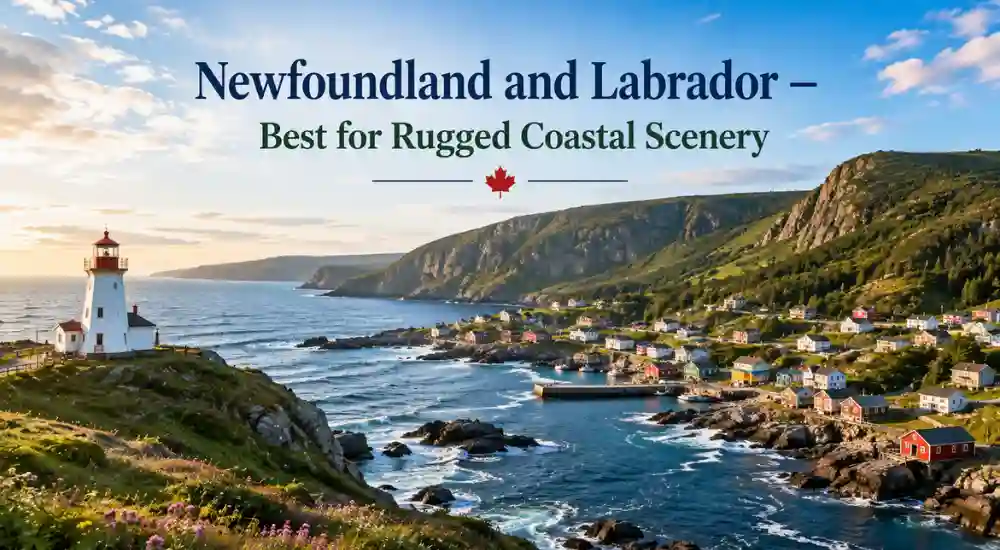
Start in St. John’s, then explore coastal roads, small communities, and natural areas. Depending on the season, visitors may see whales, seabirds, and even icebergs. Newfoundland suits travelers who enjoy authentic places, photography, road trips, and outdoor experiences. It also stands out as one of the best places to visit on Canada’s East Coast for travelers who want rugged scenery instead of polished tourist resorts.
14. Gros Morne National Park — Best for Hiking and Geology
Gros Morne National Park in Newfoundland offers fjords, cliffs, forests, mountains, and unusual geological landscapes. The park feels wild and dramatic, making it one of the most beautiful natural places in Canada.
Hikers can explore trails around the Tablelands, while boat trips provide another way to see the area’s deep valleys and water landscapes. Gros Morne fits outdoor travelers, photographers, and anyone interested in geology or national parks. Summer and early fall usually provide the best access to activities. If you want a Canadian destination that feels remote, peaceful, and visually impressive, Gros Morne is an excellent choice.
15. Ottawa, Ontario — Best for Museums and Canadian History
Ottawa is Canada’s capital and a strong choice for travelers interested in history, museums, and national landmarks. Parliament Hill, the Rideau Canal, and several major museums give visitors plenty to see without needing a long stay.
The city feels calmer than Toronto and is easy to explore on foot or by public transport. Spring brings tulips, summer offers festivals, and winter turns the Rideau Canal into a famous skating route when conditions allow. Ottawa works well for families, first-time visitors, and culture lovers. It also fits naturally into a wider trip that includes Montreal or Toronto.
16. Bay of Fundy — Best for Dramatic Tides
The Bay of Fundy is famous for its powerful tides and dramatic coastal landscapes. Visitors can see changing shorelines, unusual rock formations, and viewpoints across New Brunswick and Nova Scotia.
Hopewell Rocks is one of the best-known places in the region, while whale watching and coastal hiking add more reasons to visit. The Bay of Fundy works well for nature lovers, photographers, and road trippers exploring Eastern Canada. Summer offers the widest range of activities. If you want one of Canada’s most interesting natural wonders beyond the famous Rockies and Niagara Falls, the Bay of Fundy deserves a place on your itinerary.
17. Yukon — Best for Northern Lights and Wilderness
The Yukon offers mountains, open roads, wildlife, wilderness, and some of Canada’s most remote landscapes. Travelers visit for hiking, road trips, northern history, and the chance to see the Northern Lights during darker months.
The region feels very different from southern Canada. Towns are smaller, distances are longer, and nature dominates the experience. The Yukon suits adventurous travelers who value space and scenery over nightlife or luxury shopping. Summer gives you long daylight hours, while fall and winter improve aurora chances. For travelers who want a true northern Canada experience, the Yukon feels wild, quiet, and unforgettable.
18. Yellowknife, Northwest Territories — Best for Aurora Viewing
Yellowknife is one of Canada’s best destinations for seeing the Northern Lights. Its northern location, dark skies, and clear winter nights attract visitors from around the world.
Aurora viewing is the main draw, but travelers can also enjoy winter activities, local culture, and northern landscapes. Cold temperatures can feel intense, so good planning and warm clothing matter. Yellowknife works best for travelers who want a unique bucket-list experience rather than a typical city vacation. If your main goal is to see the aurora in Canada, Yellowknife remains one of the strongest places to consider.

19. Okanagan Valley, British Columbia — Best for Wine and Lakes
The Okanagan Valley offers warm summers, lakes, vineyards, orchards, and relaxed towns such as Kelowna. It feels very different from the snowy mountain image many travelers associate with Canada.
Visitors can enjoy wine tasting, lakeside activities, cycling, local food, and scenic drives. Couples often enjoy the region because it combines comfort, scenery, and slower travel. Summer attracts the most visitors, while early fall can offer pleasant weather and harvest-season experiences. If you are looking for romantic places in Canada or a peaceful warm-weather escape, the Okanagan Valley gives you a refreshing alternative to Canada’s busiest cities.
20. Algonquin Provincial Park, Ontario — Best for Canoeing and Fall Colors
Algonquin Provincial Park offers lakes, forests, wildlife, canoe routes, hiking trails, and some of Ontario’s best autumn scenery. It is especially popular with campers and travelers who enjoy outdoor activities.
Summer works well for canoeing and camping, while fall brings bright red, orange, and yellow leaves. The park also gives visitors a chance to experience Canadian wilderness without traveling as far as the Rockies or northern territories. Algonquin suits families, couples, and adventure travelers. If you want one of the best places to visit in Canada in fall, Algonquin should be high on your list.
Best Places to Visit in Canada for First-Time Visitors
First-time visitors should choose destinations that offer strong attractions without making travel too complicated. Banff works best for travelers who want mountains and lakes, while Vancouver gives you both city life and nature.
Choose Quebec City if you want history and culture, or visit Niagara Falls for one of Canada’s most famous natural attractions. Toronto and Montreal also work well if you prefer museums, restaurants, and neighborhoods. Try not to fit too many regions into one short trip. Canada covers a huge area, so a focused itinerary usually gives you a better experience than rushing between distant destinations.
Best Places to Visit in Canada by Travel Style
Different travelers need different types of destinations. Couples often enjoy Quebec City, Banff, and the Okanagan Valley, while families usually find plenty to do in Vancouver, Toronto, and Niagara Falls.
Adventure travelers should consider Whistler, Jasper, or Yukon, while food lovers may prefer Montreal or Nova Scotia. Vancouver Island and Jasper work well for wildlife, while Cape Breton and Newfoundland suit road trip lovers. Travelers who want quiet beaches may enjoy Prince Edward Island. Matching your destination with your interests makes it much easier to choose the best Canada vacation destination for your trip.
Best Places to Visit in Canada by Season
Canada changes dramatically by season. In spring, Vancouver, Victoria, and Niagara Falls offer mild weather and fewer crowds. Summer works best for Banff, Vancouver Island, PEI, Newfoundland, and most national parks.
Fall is one of the best times to visit Ontario, Quebec, Nova Scotia, and Algonquin Provincial Park because of the colorful leaves. Winter suits travelers who want skiing, snow, or festive cities. Choose Whistler, Banff, Quebec City, or Yellowknife for cold-weather travel. Because weather varies widely across Canada, always check the conditions for your exact destination before building your itinerary.
Best Places to Visit in Canada by Trip Length
For a 3- to 4-day Canada trip, focus on one city or compact destination such as Vancouver, Montreal, Quebec City, Toronto, or Niagara Falls. Short trips work best when you avoid long travel days.
With 5 to 7 days, you can explore Banff and Jasper, Vancouver Island, or part of Nova Scotia. A 10- to 14-day Canada itinerary gives you enough time for a longer Canadian Rockies road trip, an Atlantic Canada journey, or a British Columbia road trip. Canada looks smaller on a map than it feels in practice, so always build realistic travel time into your plans.
Best Affordable Places to Visit in Canada
Canada is not always a cheap destination, but some places make it easier to control costs. Cities such as Montreal and Ottawa offer free attractions, public transport, and a wide range of places to eat.
Outdoor destinations can also save money if you enjoy hiking, picnics, beaches, or scenic drives instead of paid tours. Prince Edward Island and parts of Atlantic Canada may offer better value outside the busiest summer weeks. Travel during spring or fall, book accommodation early, and avoid peak holiday periods. The best affordable places to visit in Canada often depend more on timing and travel style than on the destination itself.
Most Beautiful Places in Canada for Nature Lovers
Canada has no shortage of stunning natural landscapes. Moraine Lake, Banff, Jasper, Gros Morne, Cape Breton Highlands, and Yukon stand out for their dramatic scenery.
Nature lovers can explore turquoise lakes in the Rockies, rugged coastlines in Newfoundland, forests in Ontario, or wide northern landscapes in Yukon. The Bay of Fundy adds tides and coastal geology, while Vancouver Island offers beaches, forests, and wildlife. If scenery matters most to you, build your trip around national parks and scenic regions rather than major cities. Many of Canada’s most beautiful places reward travelers who stay longer and explore slowly.
Best Hidden Gems in Canada Beyond the Famous Attractions

Canada has many quiet destinations that receive less attention than Banff or Toronto. Îles de la Madeleine in Quebec offers beaches and coastal landscapes, while Brier Island in Nova Scotia attracts travelers interested in wildlife and ocean views.
The Acadian Peninsula in New Brunswick gives visitors local culture, seafood, and seaside communities. Fogo Island in Newfoundland offers dramatic scenery and a strong sense of place. These destinations suit travelers who want hidden gems in Canada and prefer smaller communities over crowded tourist centers. They may require more planning, but the slower pace often creates a more memorable experience.
How to Choose the Best Place to Visit in Canada
Start by deciding what type of trip you want. Choose Banff or Jasper for mountains, Vancouver for city life and nature, Montreal for food and culture, or Nova Scotia for coastal travel.
Then think about the season, budget, trip length, transportation, and crowd levels. Some destinations work well without a car, while remote places may require long drives. Weather also changes quickly across the country. Instead of asking only, “What is the best place to visit in Canada?” ask which place fits your travel style. That simple shift makes planning easier and helps you avoid an itinerary that looks good but feels rushed.
Canada Travel Distances Visitors Often Underestimate
One of the biggest Canada travel mistakes is trying to visit too many distant places in a short trip. Toronto, Banff, Vancouver, Montreal, and Quebec City sit far apart, and moving between them can take hours by plane or much longer by road.
A seven-day trip usually works better when you focus on one region. For example, combine Vancouver with Whistler, or Banff with Jasper. In Eastern Canada, pair Montreal with Quebec City or explore Nova Scotia by car. Canada rewards slower travel. You will usually enjoy your vacation more when you spend less time moving and more time exploring each destination.
Which Canadian Destinations Work Without a Car?
Travelers can easily visit Toronto, Montreal, Quebec City, Vancouver, and Ottawa without renting a car. These cities have public transportation, walkable neighborhoods, and plenty of attractions close together.
Vancouver is especially useful because you can enjoy beaches, parks, restaurants, and city views without driving. However, a car becomes much more useful in places such as Banff, Jasper, Nova Scotia, Prince Edward Island, and Newfoundland. Remote natural destinations often have limited public transport. If you plan to visit national parks or scenic roads, check transportation options before you book accommodation. This small step can save both time and money.
Places in Canada That Require Advance Planning
Some of Canada’s most popular destinations need more planning than visitors expect. Banff, Jasper, Vancouver Island, and major national park areas can fill quickly during summer.
Popular hotels, campgrounds, tours, ferries, and certain attraction experiences may sell out well before arrival. Northern destinations such as Yellowknife also require careful planning because weather, flights, and winter clothing can affect your trip. If you visit during July, August, Christmas, or major holiday weekends, book early whenever possible. Advance planning does not remove flexibility. It simply helps you secure the experiences that matter most while keeping the rest of your itinerary relaxed.
Best Time to Visit Canada
For most travelers, June through September offers the easiest weather for sightseeing, hiking, road trips, and outdoor activities. However, these months also bring higher prices and larger crowds in popular destinations.
Spring and early fall often give travelers better value and fewer visitors. Fall works especially well for Ontario, Quebec, and Atlantic Canada because of the changing leaves. Winter suits skiing, winter festivals, and Northern Lights trips. The best time to visit Canada depends on what you want to do. Choose the season first, then select a destination that performs well during that time instead of forcing one place into the wrong season.
FAQs
What is the best place to visit in Canada for the first time?
Banff National Park is one of the best choices for a first trip because it delivers Canada’s famous mountains, turquoise lakes, wildlife, and outdoor scenery. Vancouver is another excellent option if you prefer a mix of city attractions and nature.
What are the top 5 places to visit in Canada?
Five of the best places to visit in Canada are Banff National Park, Vancouver, Niagara Falls, Quebec City, and Jasper National Park. Together, they offer mountains, cities, culture, waterfalls, wildlife, and outdoor adventures.
What is the most beautiful place in Canada?
Banff National Park often stands out because of its Canadian Rockies scenery, Lake Louise, Moraine Lake, mountain peaks, and hiking trails. Jasper, Vancouver Island, Gros Morne, and Yukon are also among the most beautiful places in Canada.
What is the best time to visit Canada?
June through September is ideal for most visitors because warmer weather makes sightseeing, hiking, road trips, and national parks easier to enjoy. Visit in fall for colorful foliage or winter for skiing and Northern Lights trips.
Which Canadian city is best for tourists?
Vancouver is one of the best Canadian cities for tourists because it combines beaches, mountains, parks, restaurants, and urban attractions. Montreal and Quebec City are better choices for travelers who prioritize food, history, and culture.
How many days are enough for a Canada trip?
Plan at least 5 to 7 days for one region of Canada. A 10- to 14-day trip gives you more time for a Canadian Rockies, British Columbia, or Atlantic Canada itinerary without rushing between distant destinations.
Where should couples visit in Canada?
Couples should consider Quebec City, Banff, Okanagan Valley, Vancouver Island, and Montreal. These destinations offer romantic scenery, excellent restaurants, charming neighborhoods, wine experiences, and memorable outdoor activities.
What are the best places to visit in Canada with family?
Vancouver, Toronto, Niagara Falls, Banff, and Ottawa are excellent family destinations. They offer a good mix of museums, natural attractions, outdoor activities, easy sightseeing, and experiences for different age groups.
Final Thoughts
The best place to visit in Canada depends on what kind of vacation you want. For a first trip filled with mountains and lakes, choose Banff. For city life mixed with outdoor scenery, Vancouver is hard to beat.
Choose Quebec City or Montreal for culture, Nova Scotia or Vancouver Island for coastal travel, and Jasper or Whistler for adventure. Travelers who dream of the Northern Lights should look toward Yellowknife or Yukon. Canada offers enough variety for many different trips, so you do not need to see everything at once. Pick one region, travel slowly, and build your itinerary around experiences you genuinely enjoy.