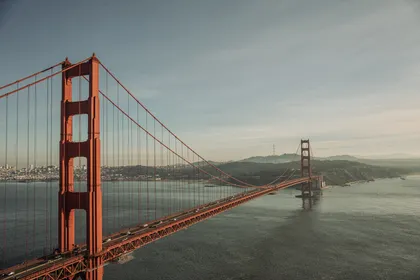
If you’re figuring out the best time to visit San Francisco, the biggest thing to know upfront is that summer isn’t actually the warmest season here. Thanks to the city’s famous coastal fog, locally nicknamed “Karl the Fog,” San Francisco runs on an inverted calendar compared to most of the country: cool, foggy summers and a genuinely warm, sunny fall.
This guide breaks down San Francisco’s microclimates and seasonal patterns month by month, explains why fall consistently ranks as the best window, and points out the festivals and events that shape crowds and pricing throughout the year. Conditions and event dates can shift slightly year to year, so confirm anything time-sensitive before you book.
Quick Answer
The best time to visit San Francisco is late August through early November, when the summer fog retreats and the city gets its warmest, clearest weather of the year, along with a packed events calendar. April and May offer a strong budget-friendly alternative, with mild weather, thinner crowds, and lower prices before summer’s tourist season kicks in. Avoid expecting warm beach weather in June through August, since this is actually San Francisco’s coolest, foggiest stretch despite being peak tourist season nationally.
TL;DR
- Best overall: Late August–early November — San Francisco’s real summer, warm and clear
- Best budget-friendly alternative: April–May, mild weather with thinner crowds
- Coolest, foggiest months: June–August, San Francisco’s counterintuitive “summer fog” season
- Wettest months: December–March, the city’s rainy season
- Fleet Week and Hardly Strictly Bluegrass: Both major fall events land in October
- Cheapest, quietest season: Winter, outside major conferences and the December holidays
- Temperatures rarely swing to extremes in either direction — layers matter more than heavy coats or shorts
San Francisco Weather at a Glance
| Season | Months | Typical High | Crowds & Prices | Best For |
|---|---|---|---|---|
| Winter | Dec–Mar | 54–60°F | Lowest, except holidays and major conferences | Museums, budget travel, Chinese New Year |
| Spring | Apr–May | 63–65°F | Rising, still manageable | Cherry blossoms, mild days, good value |
| Summer | Jun–Aug | 67–69°F, foggy | Highest of the year | Festivals, long evenings, indoor attractions |
| Fall | Sep–Nov | 61–67°F, clearest skies | Dropping from summer peak | Golden Gate views, Fleet Week, best weather |
Winter in San Francisco (December–March)
Winter is San Francisco’s wettest season, with average highs in the mid-to-high 50s and regular rain, though temperatures rarely drop to freezing or bring snow. It’s also the city’s quietest stretch for tourism, outside the December holiday weeks and any major conferences happening to land in town, meaning better hotel rates and easier access to popular attractions. February brings the Chinese New Year Parade, one of the largest celebrations of its kind outside Asia, filling Chinatown with lion dances, fireworks, and crowds despite the otherwise quiet season.
Spring in San Francisco (April–May)
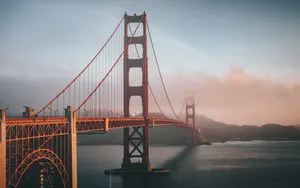
Spring is a genuine shoulder-season sweet spot: mild temperatures in the low-to-mid 60s, blooming flowers across the city’s parks, and crowds that haven’t yet built to summer levels. April brings the Cherry Blossom Festival to Japantown, one of the city’s most colorful annual events, while the rest of spring offers pleasant, walkable weather well-suited to exploring neighborhoods on foot. If you want good weather without summer’s fog or peak-season pricing, this is one of San Francisco’s best-kept value windows.
Summer in San Francisco (June–August)
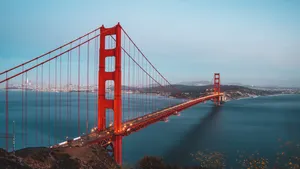
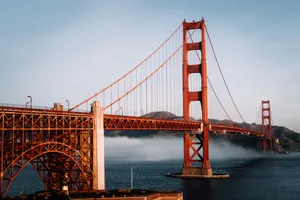
Summer is counterintuitively San Francisco’s coldest, foggiest season. Highs typically sit in the high 60s, and the marine layer, “Karl the Fog,” rolls in regularly, especially in the mornings and evenings, sometimes obscuring views of the Golden Gate Bridge and Alcatraz entirely. Rain is virtually nonexistent from June through August, so while you won’t need an umbrella, you will want a warm layer even in July. Despite the cool temperatures, this is peak tourist season nationally, so expect the year’s biggest crowds and highest hotel prices regardless of the fog. Long summer evenings, with sunsets stretching past 8:30 p.m. in June, do offer extra time for bay cruises and ballgames at Oracle Park.
Fall in San Francisco (September–November)
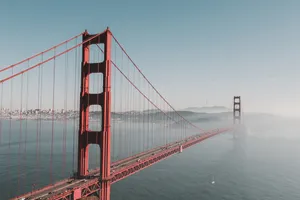
Fall is San Francisco’s open secret and its true “summer.” As the marine fog retreats offshore and inland California starts cooling, the city finally gets the warm, sunny weather most visitors expect from California, with highs comfortably in the 60s and clear skies making for some of the best Golden Gate Bridge photos of the year. Early October brings Fleet Week, with Blue Angels air shows over the bay, alongside the free Hardly Strictly Bluegrass festival filling Golden Gate Park the same month. Crowds thin from summer’s peak, but the city still feels lively thanks to this packed events calendar, making September through early November the strongest all-around window on the calendar.
Best Time for Festivals and Events
San Francisco’s event calendar spans the whole year, but a few stand out for their scale. Chinese New Year (typically January or February) transforms Chinatown into one of the largest celebrations of its kind outside Asia. Pride in late June brings a massive parade and celebration to the Castro and Civic Center. Fleet Week and Hardly Strictly Bluegrass in October anchor fall’s events calendar, and Burning Man, while held in Nevada, draws a significant share of Bay Area attendees over Labor Day weekend, noticeably thinning the city’s population for that specific week.
Best Time for Budget Travel
The lowest hotel rates generally fall in winter (December through March), outside the holiday weeks, when tourist numbers hit their annual low. It’s worth checking the city’s convention calendar before booking, though, since major events like Dreamforce can spike hotel demand and pricing even during otherwise slow months. Spring (April–May) offers a milder-weather alternative with still-meaningful savings compared to the summer and fall peaks.
Common Mistakes to Avoid
- Packing only for “California summer.” June through August is San Francisco’s coolest, foggiest season; bring layers regardless of when you visit.
- Assuming the whole city has the same weather. San Francisco’s microclimates mean it can be sunny in one neighborhood and foggy and cold a mile away, especially between the Castro and the Sunset District.
- Booking Alcatraz tickets last-minute in peak season. Tours often sell out 2–3 months ahead during summer and early fall.
- Overlooking the city’s convention calendar. Major conferences can spike hotel prices even during typically slow winter months.
- Skipping fall because it “isn’t summer.” September through early November consistently delivers San Francisco’s best weather of the year.
Frequently Asked Questions
What is the cheapest month to visit San Francisco?
Winter months, particularly January through March outside the holidays, typically offer the lowest hotel rates, though it’s worth checking for major conferences that could raise prices.
Why is summer foggy in San Francisco?
Cool, moisture-laden air from the Pacific Ocean meets the warmer inland air, creating the marine layer fog known locally as “Karl the Fog,” which is most persistent during the summer months.
Is fall really the best time to visit San Francisco?
Yes. Late August through early November typically brings the city’s warmest, clearest weather of the year, once the summer fog retreats, combined with a strong events calendar and thinning crowds.
Does it snow in San Francisco?
No. Winters are cool and wet, with regular rain, but temperatures rarely approach freezing and snow is essentially unheard of within the city.
When is Fleet Week in San Francisco?
Fleet Week typically takes place in early October, featuring Blue Angels air shows over the bay alongside other naval and community events.
Should I book Alcatraz tickets in advance?
Yes, especially for summer and early fall visits. Alcatraz tours frequently sell out 2 to 3 months ahead during peak season.
Final Thoughts
The best time to visit San Francisco comes down to understanding the city’s counterintuitive climate. For the warmest, clearest weather and the strongest events calendar, book late August through early November. If you’d rather save money while still getting decent weather, April and May offer a genuinely good alternative before summer’s crowds and fog set in.
Whichever season you choose, pack layers no matter what, and check the city’s convention calendar if budget is a priority, since major events can shift pricing even in typically quiet months. For more on planning your trip, see our guide to the best things to do in San Francisco.