
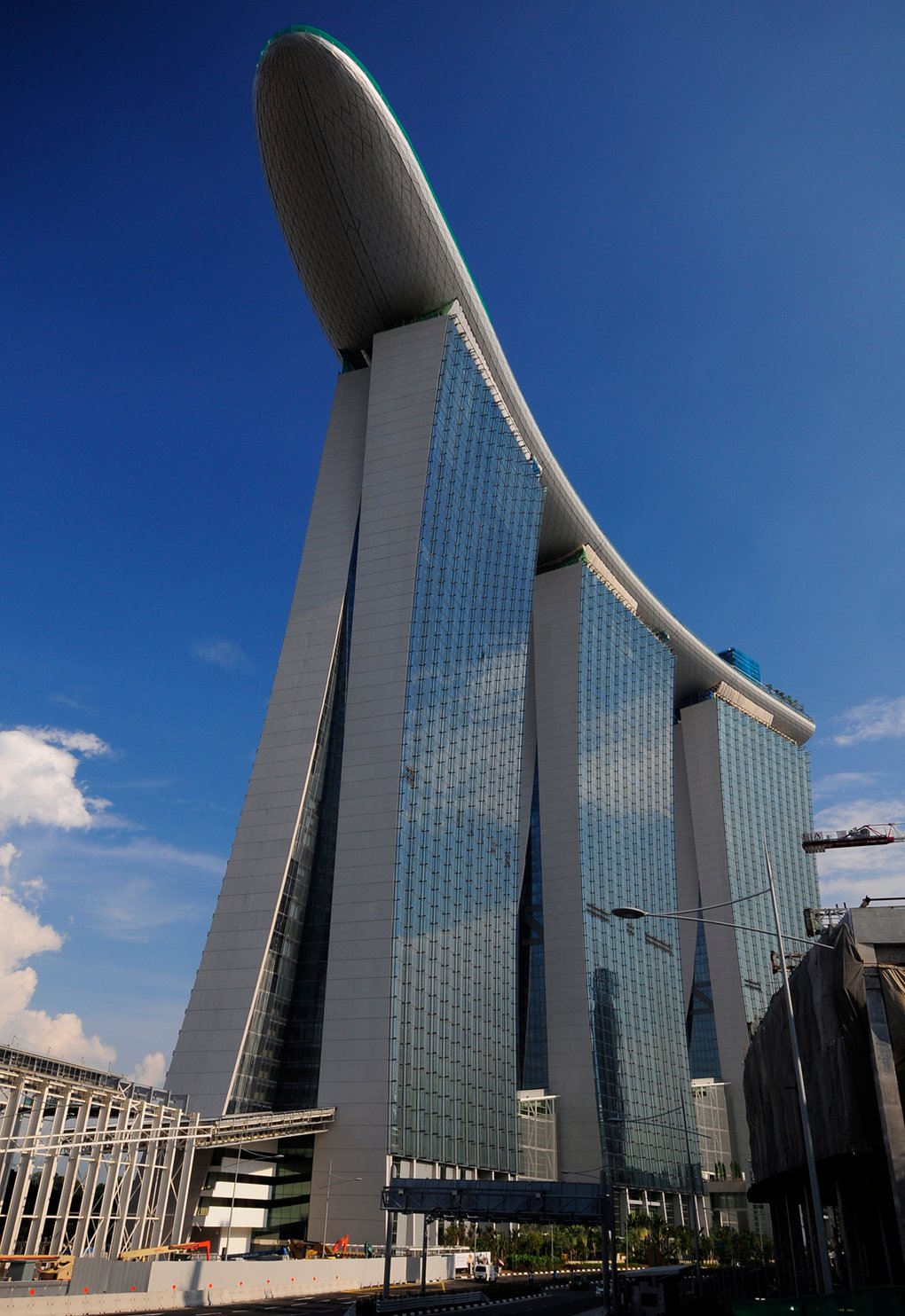
Figuring out the best time to visit Singapore is less about picking a “good” month and avoiding a “bad” one, and more about understanding what kind of wet weather you’re willing to work around. Singapore sits almost exactly on the equator, so temperatures barely shift across the year — what actually changes is rainfall, humidity, crowd levels, and which festivals happen to be running when you land.
This guide breaks down Singapore’s climate month by month, explains the two monsoon seasons in plain terms, and matches specific windows to specific priorities — sightseeing, family travel, shopping, or simply avoiding both rain and crowds. You’ll also find practical guidance on the haze season, a factor many guides skip entirely, along with packing and booking advice for whichever month you choose. For up-to-date event listings, the official Visit Singapore site is worth a check closer to your travel dates.
Quick Answer
The best time to visit Singapore is February to April, when rainfall is at its lowest and temperatures, while still warm, are slightly more comfortable than the peak of the dry season. June to September is a solid second choice, drier than the November–January monsoon but hotter and occasionally hazy. Avoid expecting a truly “dry” trip at any time of year — Singapore gets rain in every month, just more or less of it.
TL;DR
- Best overall weather: February to April (driest, least humid)
- Best for families: May to June, when local school holidays align with decent weather
- Best for festivals and food: July to August (National Day, Singapore Food Festival)
- Best value: October to November, with lower prices and manageable rain
- Avoid if minimizing rain matters most: November to January (Northeast Monsoon)
- Watch for: Regional haze, typically July through October in some years
- Typical rainfall pattern: Short, intense afternoon or evening showers rather than all-day rain
Singapore’s Climate: Why There’s No “Bad” Season, Just Wetter Ones
Singapore has a tropical rainforest climate with essentially no seasonal temperature swing — daytime highs sit in the 30–33°C range (86–91°F) virtually year-round. What actually varies is rainfall, driven by two monsoon systems: the Northeast Monsoon (roughly December to March), which brings the heaviest and most prolonged rain, and the Southwest Monsoon (roughly June to September), which is drier overall but can bring short, intense storms and, in some years, regional haze from agricultural burning in neighboring Sumatra.
Between these two systems sit two shorter inter-monsoon periods (April–May and October–November), when winds are lighter and afternoon thunderstorms become less predictable but often brief. In practice, this means every month in Singapore includes rain — the real question is whether you’re comfortable with sudden afternoon downpours (a near-daily possibility much of the year) or want the driest stretch the calendar offers.
Month-by-Month Weather and Crowds
| Months | Rainfall | Crowds & Notes |
|---|---|---|
| January | High (monsoon tail) | Moderate; festive lights still up, wet mornings common |
| February | Driest month of the year | Busy around Chinese New Year |
| March–April | Low to moderate | Pleasant, good value, hottest afternoons of the year |
| May–June | Moderate, thunderstorms possible | Family peak (school holidays), Great Singapore Sale begins |
| July–August | Lower, relatively dry | Busy; National Day Aug 9; some haze risk |
| September–October | Moderate, rising | F1 weekend crowds and pricing in some years; haze possible |
| November–December | Highest (monsoon peak) | Coolest, most humid; peak festive season despite the rain |
Rainfall and haze patterns shift year to year — check a short-range forecast and the National Environment Agency’s PSI readings close to your travel dates rather than relying on averages alone.
February to April — Best for Sightseeing and Fewer Crowds
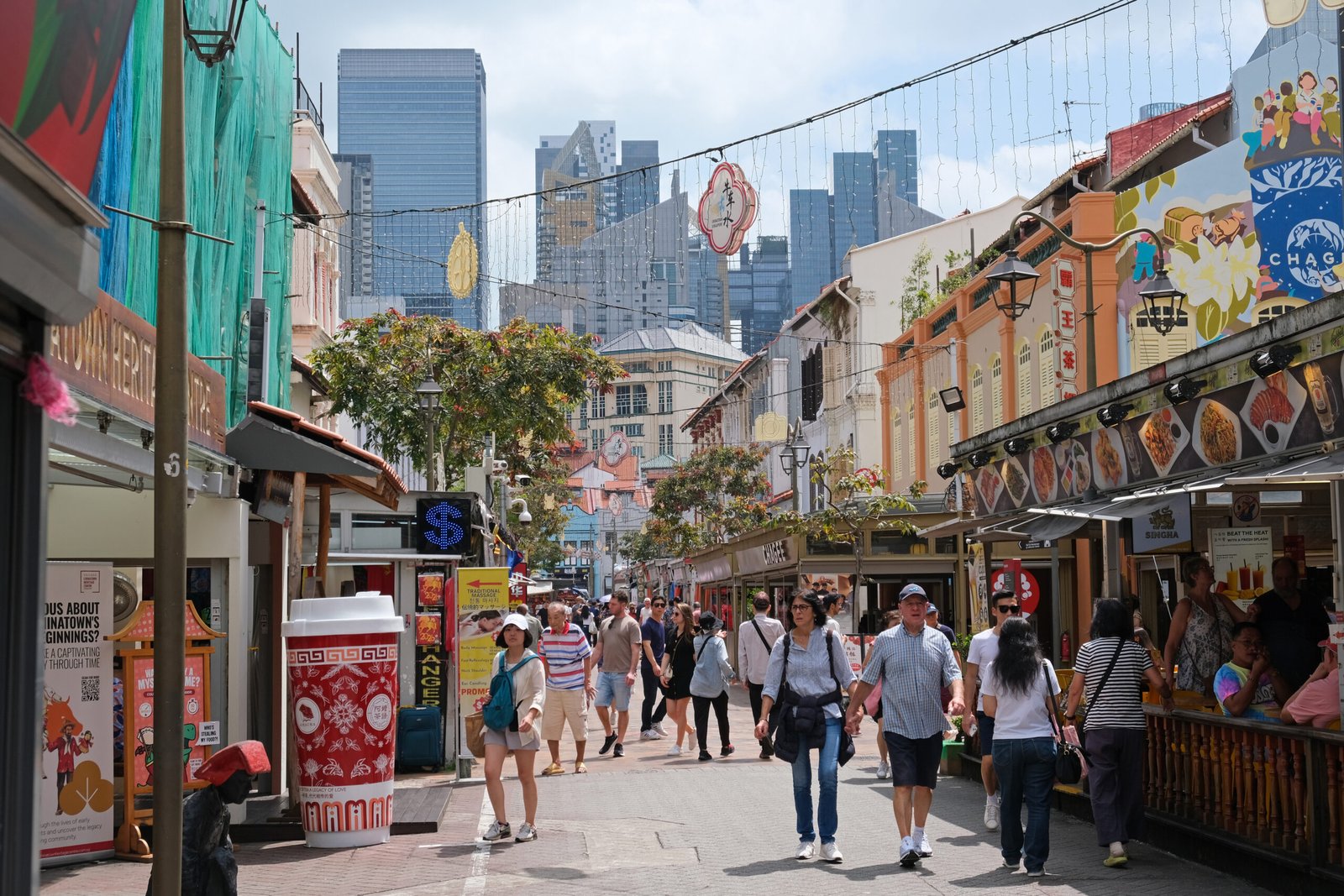
This stretch offers Singapore’s lowest rainfall and, since it falls outside major school holiday periods (aside from Chinese New Year), noticeably thinner crowds at major attractions.
- Why visit now: The lowest average rainfall of the year, making it ideal for outdoor-heavy days at Gardens by the Bay, the Southern Ridges hiking trail, or Sentosa’s beaches.
- Best for: First-time visitors, photographers, and travelers prioritizing comfortable sightseeing over festival timing.
- Watch for: Chinese New Year (mid-to-late February) brings a surge in both crowds and hotel rates in Chinatown and citywide — book several months ahead if your dates overlap.
- Practical tip: April is also the hottest stretch of the year despite the low rainfall, so plan outdoor activities for morning or late afternoon and save midday for air-conditioned museums or malls.
May to June — Best for Families
Singapore and regional school holidays cluster around late May through June, making this the best-aligned window for family trips, even though it also means busier queues at Universal Studios Singapore and Sentosa.
- Why visit now: Consistent, if humid, weather and the start of the Great Singapore Sale, useful if shopping is part of the trip.
- Best for: Families traveling during school breaks, and shoppers timing a visit around retail promotions.
- Watch for: June is one of the hottest months on record for the city — hydrate often and build in midday breaks at indoor attractions like the Jewel Changi rain vortex or the S.E.A. Aquarium.
- Practical tip: Book Universal Studios and major attraction tickets online in advance during this window; on-site queues run noticeably longer during school holidays.
July to September — Best for Festivals, Food, and Shopping
This stretch is Singapore’s cultural high point, anchored by National Day on August 9 and the Singapore Food Festival in July, set against the Southwest Monsoon’s comparatively drier (if hotter) conditions.
- Why visit now: National Day Parade rehearsals are free to watch from several waterfront spots in late July, and the Singapore Food Festival showcases the city’s hawker culture at its most concentrated.
- Best for: Food-focused travelers, culture enthusiasts, and anyone wanting to see Marina Bay lit up for National Day.
- Watch for: Regional haze from Indonesian forest fires can affect air quality in some years, typically peaking between July and October. Check the PSI (Pollutant Standards Index) close to your travel dates if you have respiratory sensitivities.
- Practical tip: If haze is heavy during your visit, indoor options like the ArtScience Museum, National Gallery Singapore, and the climate-controlled domes at Gardens by the Bay make solid backup plans.
October to November — Best for Value and Deepavali
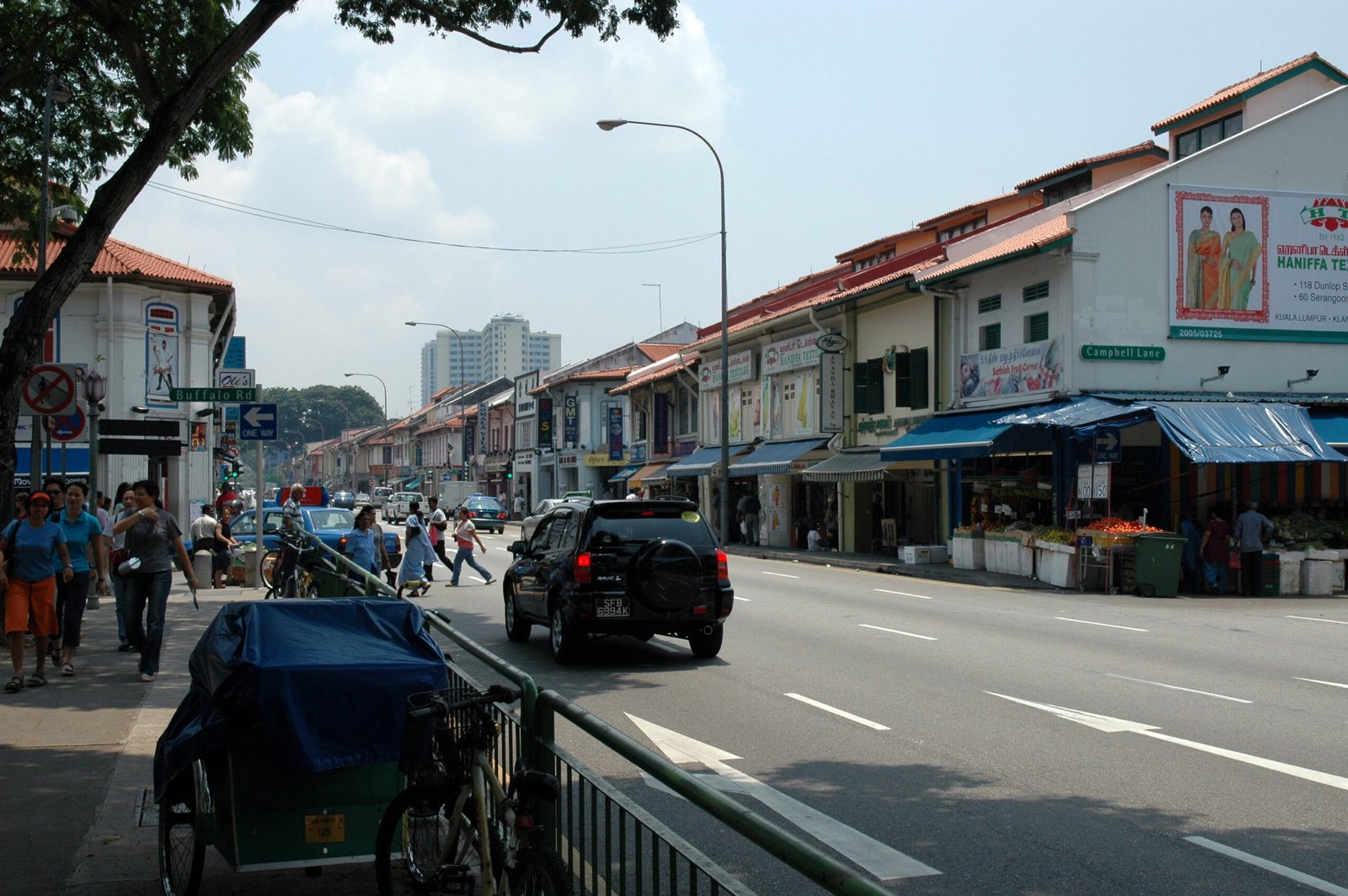
As the inter-monsoon period sets in, rain becomes more variable but crowds and prices both start easing from the July–August peak, and Little India transforms for Deepavali (the Festival of Lights).
- Why visit now: Noticeably better hotel rates than peak summer, plus Deepavali’s lamp displays and night markets in Little India, typically in late October or November.
- Best for: Budget-conscious travelers and anyone drawn to Singapore’s cultural festival calendar over its driest weather.
- Watch for: Afternoon thunderstorms can appear with little warning during this transitional period — carry a compact umbrella rather than relying on the forecast.
- Practical tip: Book flights during this window with reasonable lead time (four to six weeks), since fares tend to dip compared to the June–August peak.
December to January — Best for Festive Atmosphere
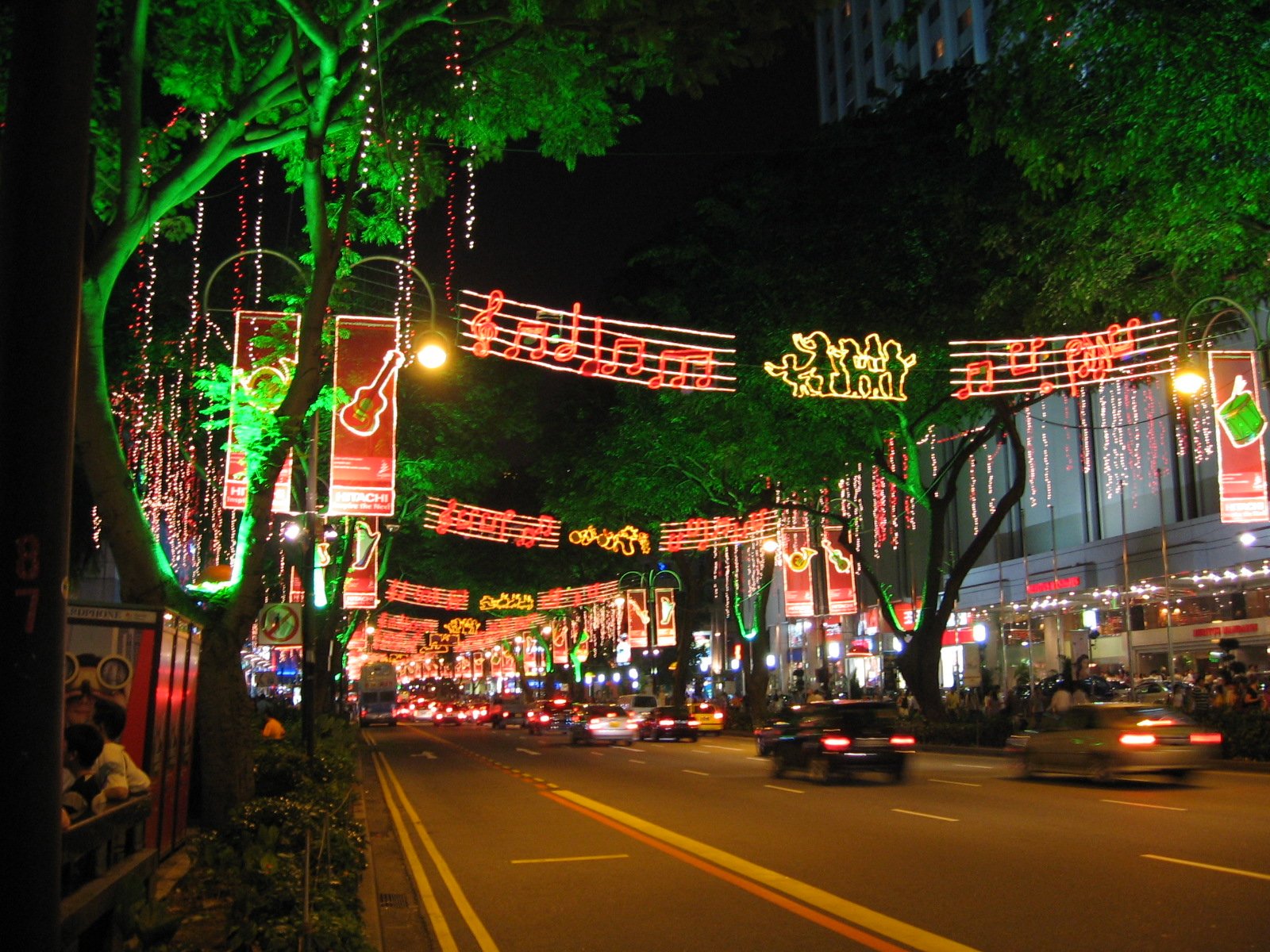
December is Singapore’s wettest and most humid month, but also its most decorated — Orchard Road’s Christmas lights and year-end events draw the year’s highest visitor numbers regardless of the rain.
- Why visit now: Orchard Road’s light displays, New Year’s Eve events at Marina Bay, and a genuinely festive citywide atmosphere.
- Best for: Travelers who prioritize festive ambiance over dry weather, and who don’t mind paying the year’s highest hotel rates.
- Watch for: This is the peak of the Northeast Monsoon — expect rain on many days, sometimes for extended stretches rather than short bursts.
- Practical tip: Book accommodation as early as possible for a December trip; rates and availability tighten significantly around Christmas and New Year.
Understanding Singapore’s Haze Season
One factor many “best time to visit” guides skip: seasonal haze from agricultural burning in neighboring Sumatra can drift over Singapore, typically between July and October, though intensity varies significantly from year to year and some years see little to none. When present, haze can reduce visibility and air quality, particularly affecting outdoor activities and anyone with respiratory conditions. Singapore’s National Environment Agency publishes real-time PSI (Pollutant Standards Index) readings, which are worth checking a few days before and during your trip if you’re visiting in this window. Haze severity is unpredictable year to year, so treat this as a factor to monitor rather than a certainty.
Best Time for Outdoor vs. Indoor Attractions
Because rain can appear any month, it helps to think in terms of outdoor-heavy versus indoor-heavy days rather than picking a single “safe” month.
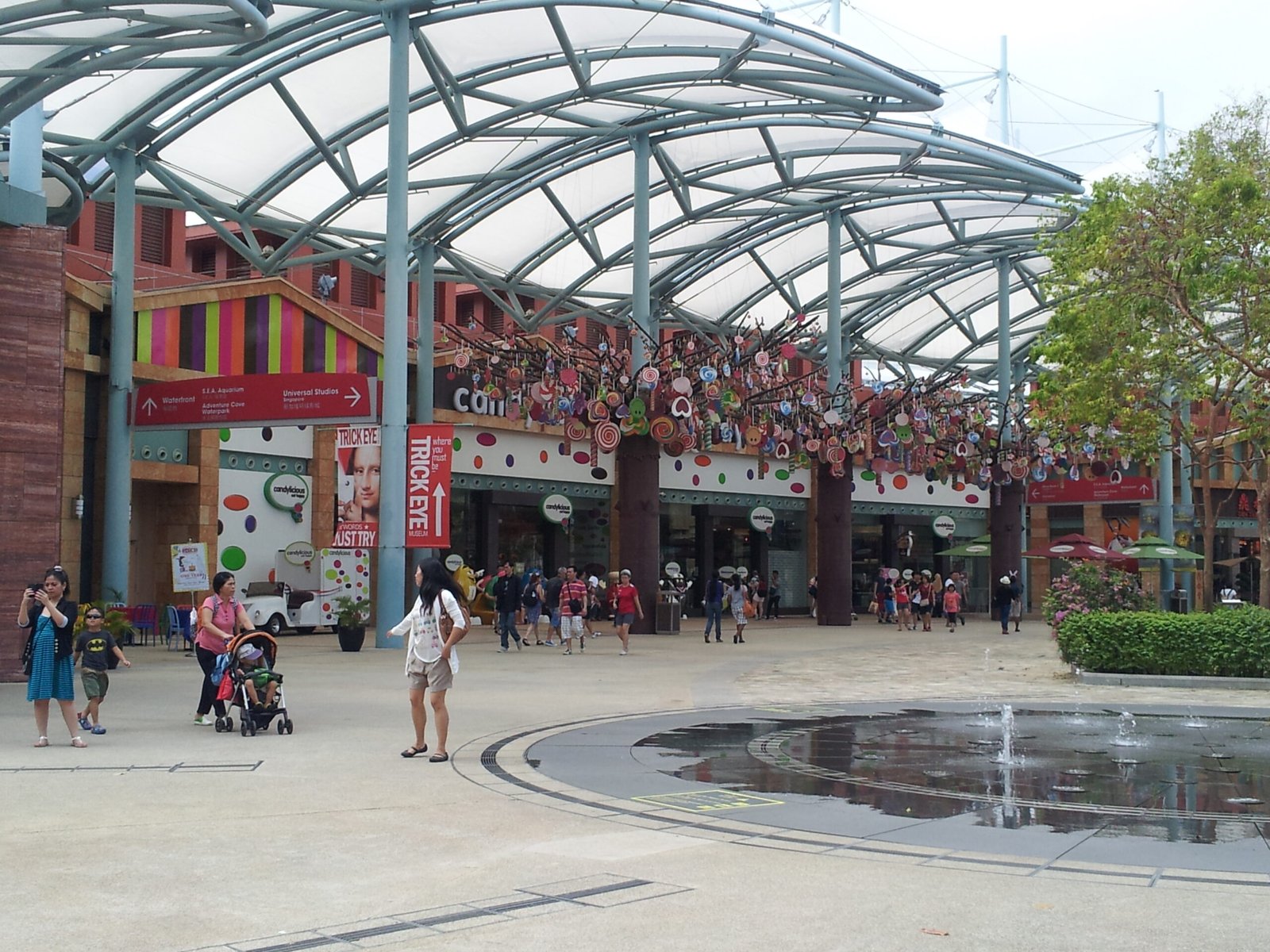
| Attraction Type | Best Timing | Examples |
|---|---|---|
| Outdoor-heavy | February–April, mornings year-round | Gardens by the Bay outdoor areas, Southern Ridges, Sentosa beaches |
| Indoor/rain-proof | Any month, especially Nov–Jan | ArtScience Museum, S.E.A. Aquarium, Jewel Changi, Flower Dome |
Best Time for a Singapore Honeymoon or Couples Trip
Couples aiming for a quieter, more atmospheric trip tend to do well in late October or November, when crowds thin out after the summer peak but before the December rush, and Marina Bay Sands’ rooftop and Gardens by the Bay’s evening light shows feel less crowded. For those interested in more of our best things to do in Singapore, pairing a shoulder-season visit with an evening at Clarke Quay or a rooftop bar tends to deliver the classic skyline experience without peak-season lines.
Singapore’s Annual Events Worth Timing Around
Beyond the weather, Singapore’s festival calendar can genuinely shape which month suits your trip best. Chinese New Year (dates shift yearly, typically late January or February) transforms Chinatown with lanterns, markets, and lion dance performances, though it also brings the year’s first major crowd and price spike. The Great Singapore Sale, spanning parts of June through August, turns Orchard Road into a genuine shopping event with citywide discounts. National Day on August 9 brings a full parade and fireworks display over Marina Bay, with free rehearsal viewings in the weeks before. Deepavali, usually in October or November, lights up Little India with elaborate lamp displays and night markets. Each of these is worth checking against the current year’s exact dates before booking, since some shift by several weeks year to year.
Where to Stay by Season
Accommodation strategy shifts a little depending on when you travel. During the December to January peak, book as far ahead as possible regardless of neighborhood, since even mid-range hotels near Orchard Road and Marina Bay sell out weeks in advance. In the February to April window, rates ease outside the Chinese New Year spike, making this a good time to book a Marina Bay-view room at a rate that would be unaffordable in December. During the wetter November stretch, look for hotels near an MRT station rather than ones requiring a longer walk, since sudden downpours make covered, well-connected locations noticeably more convenient. Areas like Bugis and Somerset also offer good value with easy access to both indoor malls and outdoor attractions, useful insurance against whatever the sky decides to do that day.
What to Pack for Singapore’s Climate
Regardless of when you visit, a few packing choices make a bigger difference in Singapore than in most destinations. Lightweight, breathable clothing is essential year-round given the consistent heat and humidity, but pack at least one light layer for aggressively air-conditioned malls, museums, and the MRT, where indoor temperatures often run surprisingly cool. A compact, sturdy umbrella is more useful than a rain jacket, since Singapore’s showers tend to be short but intense rather than a steady drizzle a jacket would handle well. Comfortable, breathable walking shoes matter for both the humidity and the amount of covered walking Singapore’s connected mall and transit system involves. If traveling during haze-prone months (roughly July to October), packing a basic N95-style mask is a reasonable precaution, even though most years see only mild or no haze impact.
Getting Around Regardless of Season
One advantage Singapore has over many tropical destinations: its weather rarely disrupts transportation, including at Changi Airport, consistently ranked among the world’s most efficient hubs. The MRT (subway) network is extensive, air-conditioned, and connects directly to many malls and attractions, making it a reliable way to avoid both heat and sudden rain. Grab (the regional ride-hailing app) is widely used and generally reliable, though surge pricing can climb during sudden downpours when demand spikes. Walking between attractions is very feasible for most of the year, but during the hottest stretches (April and June in particular), planning routes through connected underground walkways and mall corridors — a genuinely extensive network in the downtown core — can meaningfully cut down on midday heat exposure.
Common Mistakes to Avoid
- Assuming any month is truly “dry” — pack a compact umbrella regardless of when you travel
- Booking a December trip late and getting stuck with limited hotel availability during the festive peak
- Scheduling an entirely outdoor-heavy itinerary without an indoor backup plan for sudden afternoon storms
- Ignoring the PSI/haze index during a July–October visit if you have respiratory sensitivities
- Underestimating April and June’s heat simply because rainfall is described as “low” that month
Frequently Asked Questions
What is the rainy season in Singapore?
The Northeast Monsoon, roughly November through January, brings the heaviest and most prolonged rainfall of the year. The Southwest Monsoon (June–September) is comparatively drier but still brings regular short storms.
Is Singapore hot all year round?
Yes. Daytime temperatures typically range from 30–33°C (86–91°F) year-round with little seasonal variation — humidity and rainfall change far more than temperature does.
What is the cheapest month to visit Singapore?
October and November tend to offer the best combination of lower hotel rates and manageable weather, since they fall after the July–August peak but before the December festive surge.
Does it rain every day in Singapore?
Not every day, but rain is common in every month. Showers are typically short and intense, often in the afternoon or evening, rather than lasting all day.
What is the haze season in Singapore?
Regional haze from agricultural burning in Sumatra can affect Singapore’s air quality, typically between July and October, though severity varies significantly by year.
When should families visit Singapore?
May and June align with school holidays for many international visitors and offer decent, if hot and humid, weather, along with the start of the Great Singapore Sale.
How many days do you need in Singapore?
Most first-time visitors are comfortable with three to four days, enough to cover Marina Bay, Gardens by the Bay, Sentosa, and a hawker center food crawl without feeling rushed.
Is it better to visit Singapore during the week or on weekends?
Weekdays generally mean shorter queues at major attractions like Universal Studios and the Singapore Zoo, since local families and tour groups tend to concentrate visits on weekends. If your schedule is flexible, building in a weekday visit to the most popular sights can meaningfully cut wait times, regardless of which season you’re traveling in.
Final Thoughts
There’s no single perfect month for the best time to visit Singapore, since the city’s near-constant heat and rainfall mean every trip involves some weather trade-off. February through April offers the driest, most comfortable stretch for sightseeing, while July through September rewards festival timing at the cost of occasional haze and heat.
Whichever window you choose, pack for sudden rain regardless of the season, build a few indoor backup plans into your itinerary, and book accommodation early if your dates land anywhere near Chinese New Year or the December holidays. With that flexibility built in, Singapore delivers a strong experience almost any time of year.