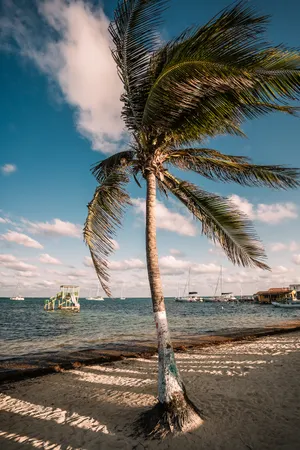
If you’re deciding on the best time to visit Belize, the short version is that the dry season wins for reliable weather, but the shoulder months can deliver nearly the same conditions with real savings. Belize runs on a two-season calendar — dry and wet — and where you’re headed matters too, since the cayes stay drier than the jungle interior and the far south sees rain nearly year-round.
This guide breaks down Belize’s seasons month by month, covers hurricane season honestly, and points out regional differences between the reef, the rainforest, and the southern coast. Conditions and event dates shift slightly year to year, so confirm anything time-sensitive before you book.
Quick Answer
The best time to visit Belize is late November through April, the dry season, when skies stay clear, humidity drops, and the Barrier Reef offers its best underwater visibility of the year. For a strong mix of good weather and lower prices, June is a smart pick — technically wet season, but drier than later months and with noticeably fewer crowds. Avoid September and October if you’re hurricane-averse, since these carry the highest storm risk and heaviest rainfall of the year.
TL;DR
- Best overall weather: Late November–April (dry season)
- Best value with decent weather: June (early wet season, still relatively dry)
- Highest hurricane risk: September–October
- Hurricane season officially runs: June 1–November 30
- Cheapest, quietest month: September — lowest visitor numbers and prices of the year
- Best reef visibility: Dry season, especially December–May when the Barrier Reef can offer 100+ feet of visibility
- Regional rainfall varies significantly — the cayes and north stay drier than Placencia, Toledo, and the jungle interior
Belize Weather at a Glance
| Season | Months | Rain/Storm Risk | Crowds & Prices | Best For |
|---|---|---|---|---|
| Dry season | Late Nov–May | Lowest | Highest crowds and prices, peaking Dec–Mar | Diving, reef visibility, inland ruins |
| Early wet season | Jun–Aug | Moderate | Fewer crowds, better rates | Lobster season, decent value |
| Peak hurricane season | Sep–Oct | Highest | Lowest prices, quietest month is September | Budget travel, accepting weather risk |
| Late shoulder | Nov | Tapering off | Moderate | Good weather-to-value balance |
Dry Season (Late November–May)
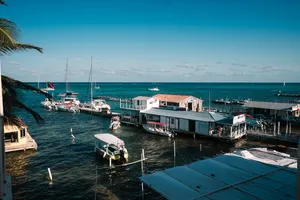
This is Belize’s most dependable stretch of weather: clear skies, lower humidity, and steady trade winds that keep the coast and cayes comfortably breezy. The Belize Barrier Reef, the second longest in the world, delivers its best underwater visibility during this window, often exceeding 100 feet in calm conditions — a big draw for divers and snorkelers heading to Hol Chan Marine Reserve or the Blue Hole.

December and January are the coolest months, with temperatures averaging around 75–80°F on the cayes, but they’re also the busiest and most expensive, especially around the holidays. February tends to be one of the driest months overall, while March is technically the single busiest month of the year, edging out even the December holiday rush.
Shoulder Season (June)
June sits right at the start of wet season on the calendar, but locals often consider it one of the best-kept secrets of the year. Rainfall is noticeably lighter than later wet-season months, crowds have thinned from the winter peak, and mid-June marks the start of lobster season, celebrated with the San Pedro Lobster Fest and fresh lobster on menus across Ambergris Caye and Placencia. It’s a strong pick if you want a taste of dry-season conditions without dry-season prices.
Hurricane Season (June–November)
The Atlantic hurricane season officially runs June 1 through November 30, with September and October carrying the highest risk for tropical storms and hurricanes in Belize. Belize averages 2–3 named storms passing nearby each year, with roughly 1–2 potentially making landfall as hurricanes, according to National Hurricane Center data. Even during the riskiest months, most days are simply hot and rainy rather than storm-affected, but the chance of a direct hit is real enough that travel insurance with weather coverage is worth considering for trips in this window.
September is Belize’s single least-visited month, with hotel prices at their lowest point of the year. Interestingly, it’s also when the country celebrates two major national holidays back to back — Saint George’s Caye Day in mid-September and Independence Day in late September — creating a festive two-week stretch despite the quieter tourist numbers.
Best Time by Region
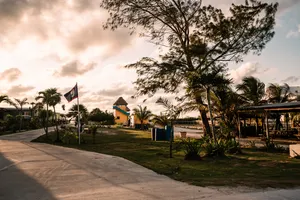
Belize’s regions don’t all follow the same rainfall pattern. Ambergris Caye and the northern cayes stay driest year-round, making them the most weather-reliable choice regardless of season. The Cayo District, home to Mayan ruins like Caracol and Xunantunich, follows the general dry/wet pattern closely, though unpaved roads to remote sites can become difficult in heavy rain. Placencia and the Toledo District in the south receive significantly more rainfall than the north throughout the year, so factor in a real chance of rain on any southern trip, dry season or not.
Best Time for Budget Travel
The lowest prices of the year fall in September, Belize’s quietest month, followed closely by the rest of the June–November wet season outside of any specific storm threat. Travelers comfortable planning around afternoon showers and monitoring the hurricane forecast can find meaningfully discounted resort rates compared to the December–March peak, when prices climb to their highest point of the year.
Common Mistakes to Avoid
- Booking a September or October trip without checking the forecast regularly. These months carry Belize’s highest hurricane risk of the year.
- Assuming the whole country has the same weather. The south (Placencia, Toledo) sees meaningfully more rain year-round than the northern cayes.
- Planning remote inland trips during peak wet season without a backup plan. Unpaved roads to sites like Caracol can become impassable during heavy rain.
- Booking March travel late. It’s technically Belize’s busiest month of the year, even more than the December holidays.
- Skipping travel insurance during hurricane season. Weather-related cancellation coverage is a reasonable precaution between June and November.
Frequently Asked Questions
What is the cheapest month to visit Belize?
September, Belize’s least-visited month, typically offers the lowest hotel prices of the year.
Is Belize safe to visit during hurricane season?
Most days during hurricane season are simply hot and rainy rather than storm-affected. September and October carry the highest risk of a direct hurricane hit, so travel insurance with weather coverage is a reasonable precaution during this window.
What is the driest time to visit Belize?
The dry season runs roughly late November through May, with February typically among the driest months overall.
Is Belize good for diving year-round?
Diving is possible year-round, but visibility is best during the dry season, especially December through May, when conditions at the Barrier Reef and Blue Hole are calmest and clearest.
Does it rain more in southern Belize?
Yes. Placencia and the Toledo District receive significantly more rainfall throughout the year than the northern cayes and Cayo District.
Is June a good time to visit Belize?
Yes. June falls at the start of wet season but is noticeably drier than later months, with smaller crowds and the start of lobster season.
Final Thoughts
The best time to visit Belize comes down to how much you value weather certainty versus savings and quiet. For the most reliable sunshine and reef visibility, book late November through April, ideally avoiding the March and December-holiday price spikes if budget matters. If you’re comfortable with some rain risk in exchange for real savings and thinner crowds, June or September offer strong alternatives, with September delivering the single best value of the year.
Whichever window you choose, check regional rainfall patterns and any current hurricane advisories close to your travel dates, since conditions vary meaningfully between the cayes, the jungle interior, and the southern coast.