

If you’re figuring out the best time to visit Charleston, the short answer is that spring wins on nearly every measure, but it also draws the biggest crowds of the year. Charleston’s subtropical climate means hot, humid summers and mild winters, with hurricane season adding a real weather consideration for anyone planning a late-summer or fall trip.
This guide breaks down Charleston’s weather and crowd patterns month by month, covers hurricane season honestly, and points out the shoulder-season windows that deliver comfortable weather without spring’s premium prices. Conditions and event dates shift slightly year to year, so confirm anything time-sensitive before you book.
Quick Answer
The best time to visit Charleston is April to May, when temperatures are pleasant, azaleas and gardens are in full bloom, and humidity hasn’t yet climbed to summer levels. For a similar weather window with smaller crowds, late September through October is a strong alternative, once hurricane season risk starts tapering off. Avoid July and August if you’re heat-sensitive, since both humidity and temperatures peak during this stretch.
TL;DR
- Best overall: April–May (spring blooms, mild weather, before peak humidity)
- Best value with good weather: Late September–October (fall shoulder season)
- Hottest, most humid months: July–August, regularly in the high 80s to low 90s
- Hurricane season: June 1–November 30, with September historically the wettest month
- Coolest month: January, with lows dropping into the high 30s
- Driest month: October, on average
- Spoleto Festival brings major crowds in late May/early June — book well ahead if attending
Charleston Weather at a Glance
| Season | Months | Typical High | Crowds & Prices | Best For |
|---|---|---|---|---|
| Spring | Mar–May | 65–83°F | Highest crowds and prices | Garden blooms, mild weather, festivals |
| Summer | Jun–Aug | 87–91°F | High, humid deters some | Beach days, indoor museums, plantation tours |
| Fall | Sep–Nov | 69–84°F | Moderate, dropping through fall | Comfortable sightseeing, thinner crowds |
| Winter | Dec–Feb | 55–60°F | Lowest, except holiday weeks | Budget travel, quiet historic district |
Spring in Charleston (March–May)
Spring is Charleston at its most photogenic. March brings azaleas and magnolias into bloom across the historic district, with average temperatures around 57°F warming steadily through the season. By April and May, temperatures climb into the mid-60s to mid-70s, humidity stays manageable, and the city’s gardens — including Magnolia Plantation and Middleton Place — hit peak color. This is also Charleston’s most popular season, so expect premium hotel rates and the busiest sidewalks of the year, especially around the Spoleto Festival in late May and early June, a major performing arts festival that fills the city’s hotels well in advance.

Summer in Charleston (June–August)
Summer in Charleston means real heat and real humidity. July is typically the hottest month, with average highs around 91°F and a subtropical mugginess that settles in for the whole season. Afternoon thunderstorms are common, offering brief relief before the humidity rolls back in. It’s a reasonable time to visit if you plan around the heat: beach days on Folly Beach or Isle of Palms in the morning, indoor museums and historic house tours during peak afternoon heat, and evening strolls once temperatures ease.

Fall in Charleston (September–November)
September marks the start of fall, though it’s also historically Charleston’s wettest month on record, so early fall can still bring tropical moisture and occasional storm risk. By October, conditions shift noticeably — it’s typically the driest month of the year, with comfortable temperatures around the high 60s and noticeably thinner crowds than spring. November continues the cooling trend, making the back half of fall one of Charleston’s best-kept secrets for travelers who want spring-like comfort without spring’s crowds and prices.
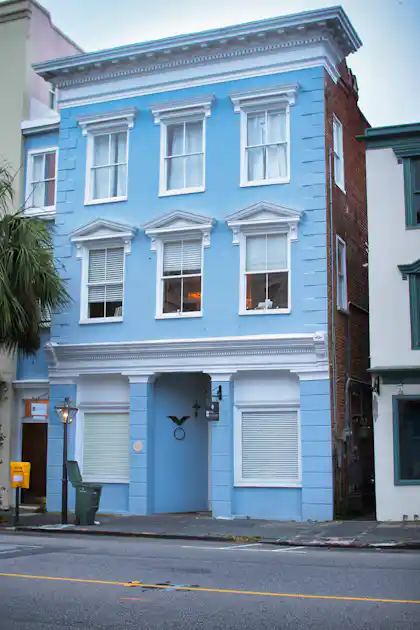
Winter in Charleston (December–February)
Winter is mild by most standards, with January the coldest month, averaging lows in the high 30s and highs in the mid-to-high 50s. Snow is rare, though occasional frost isn’t unusual. This is Charleston’s quietest season outside of the December holiday weeks, making it a strong choice for budget travelers who want to explore the historic district, museums, and restaurants without the crowds that define spring and early summer.
Hurricane Season in Charleston (June–November)
The Atlantic hurricane season officially runs June 1 through November 30, and Charleston’s coastal location means real exposure to tropical systems during this window. September is historically the wettest month on record, reflecting both the peak of hurricane season and the general shift toward fall storms. Most days even during hurricane season are simply hot and occasionally rainy rather than storm-affected, but the chance of a direct hit is real enough that travel insurance with weather coverage is worth considering if you’re booking a trip between June and November, particularly in August and September.

Best Time for Festivals
The Spoleto Festival, one of America’s major performing arts festivals, runs for about two weeks starting in late May, filling Charleston’s theaters, churches, and outdoor venues with music, dance, and opera performances. It’s a fantastic time to visit for culture lovers, but it also drives spring’s already-high hotel prices even higher, so book well in advance if this is on your itinerary. Charleston also hosts a strong food and garden festival calendar throughout spring, adding to the season’s appeal and its crowds.
Best Time for Budget Travel
The lowest prices generally fall in January and February, outside the December holiday stretch, when hotel rates drop well below the spring peak and the historic district feels noticeably calmer. Late fall (November) offers a milder-weather alternative with still-meaningful savings compared to spring, making it a strong pick for travelers who want decent weather without paying peak-season rates.
Common Mistakes to Avoid
- Booking Spoleto Festival dates without planning ahead. Hotel rates and availability tighten significantly during this two-week stretch in late May and early June.
- Underestimating summer humidity. Charleston’s summer heat feels more intense than the raw temperature suggests due to consistently high humidity.
- Ignoring hurricane season risk in late summer bookings. August and September carry the highest storm risk of the year for coastal South Carolina.
- Assuming October is a safe bet without checking. While typically the driest month, early fall can still see tropical moisture linger from hurricane season.
- Skipping sun protection in spring. Mild temperatures can mask strong UV exposure, especially on outdoor garden and plantation tours.
Frequently Asked Questions
What is the cheapest month to visit Charleston?
January and February, outside the December holiday weeks, typically offer the lowest hotel rates and thinnest crowds of the year.
Is Charleston too hot to visit in summer?
It gets genuinely hot and humid, with highs regularly in the high 80s to low 90s in July and August. It’s manageable if you plan beach time for mornings and save indoor attractions for peak afternoon heat.
When is hurricane season in Charleston?
Hurricane season officially runs June 1 through November 30, with August and September carrying the highest risk for the South Carolina coast.
What is the best month to see gardens in bloom?
March and April bring peak azalea and magnolia blooms at gardens like Magnolia Plantation and Middleton Place.
Is fall a good time to visit Charleston?
Yes, especially October, which is typically the driest month with comfortable temperatures and noticeably smaller crowds than spring.
Does it snow in Charleston?
Rarely. Winters are mild, with January the coldest month, though snow is uncommon and typically light when it does occur.
Final Thoughts
The best time to visit Charleston comes down to balancing weather, crowds, and budget. For peak garden blooms and the most comfortable temperatures, book April or May, accepting the higher prices that come with peak season. If you’d rather skip the crowds while keeping good weather, late September through October offers a strong alternative, and winter (outside the holidays) rewards budget travelers with the lowest rates of the year.
Whichever season you choose, keep an eye on the hurricane forecast if you’re traveling between June and November, and book well ahead if your visit overlaps with the Spoleto Festival. For more on planning your trip, see our guides to the best things to do in Charleston and the ultimate Charleston travel guide.