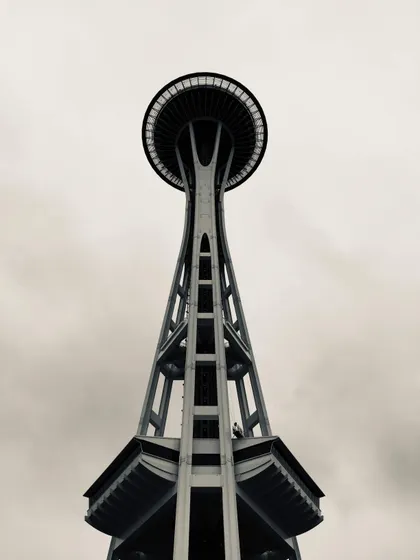
If you’re figuring out the best time to visit Seattle, the city’s reputation for grey, rainy weather only tells half the story. Seattle actually has a genuine dry season, and once you know when it lands, timing a trip here becomes much easier. The Emerald City swings from summer days that rival any sunny destination to a mild, wet winter that keeps most tourists away.
This guide breaks down Seattle’s weather and crowd patterns month by month, covers the festivals that shape summer pricing, and points out the shoulder-season windows that deliver good weather without peak crowds. Conditions and event dates can shift slightly year to year, so confirm anything time-sensitive before you book.
Quick Answer
The best time to visit Seattle is mid-May through early October, when the city sheds its grey reputation and delivers warm, dry days perfect for the waterfront, ferry rides, and day trips toward Mount Rainier. July and August are the driest, sunniest months, though also the most crowded and expensive. For a strong balance of good weather and thinner crowds, late May or September are excellent alternatives. Avoid expecting sunshine from late October through March, Seattle’s genuinely wet season.
TL;DR
- Best overall: Mid-May–early October, Seattle’s real dry season
- Driest, sunniest months: July and August, rain virtually disappears
- Best value shoulder months: Late May and September
- Rainy season: Late October through March, the city’s wettest and quietest stretch
- Best for skiing/snow sports nearby: January–March in the Cascades
- Bumbershoot music festival: Around Labor Day weekend in early September
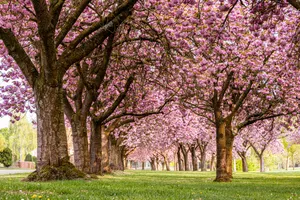
- Cherry blossoms peak at the University of Washington’s Quad in late March to early April
Seattle Weather at a Glance
| Season | Months | Typical High | Crowds & Prices | Best For |
|---|---|---|---|---|
| Spring | Mar–May | 54–64°F | Rising, still manageable | Cherry blossoms, farmers markets, lower prices |
| Summer | Jun–Aug | 64–77°F | Highest of the year | Festivals, ferries, hiking, long daylight hours |
| Fall | Sep–Nov | 50–70°F | Dropping, September still great | Foliage, harvest festivals, thinner crowds |
| Winter | Dec–Feb | 43–48°F | Lowest, rainiest | Budget travel, museums, nearby ski trips |
Spring in Seattle (March–May)
Spring starts damp, with average temperatures in the mid-40s to mid-50s and 7 to 10 rainy days per month, but the payoff is real: cherry blossoms peak at the University of Washington’s Quad in late March to early April, and the nearby Skagit Valley Tulip Festival in April draws visitors to vibrant tulip fields a short drive from the city. Crowds stay noticeably lighter than summer, and hotel rates are correspondingly lower. April tends to be the sweet spot for combining decent weather with cheaper rates, though rainfall is characteristically a persistent light drizzle rather than a heavy downpour, and more than half the month’s days are completely dry.
Summer in Seattle (June–August)
Summer is Seattle’s real dry season, and it’s dramatic. Rain virtually disappears in July and August, the sun doesn’t set until after 9 p.m., and average highs climb into the mid-70s, with August typically the warmest month at mid-70s to low 80s. This is peak tourist season for good reason: waterfront dining along Lake Union, ferry rides to the San Juan Islands, and day trips toward Mount Rainier all become far more appealing with reliable sunshine. The trade-off is crowds and price — hotels fill up fast and rates climb, so book well ahead if you’re visiting in July or August. Seattle Pride in June and the Northwest Folklife Festival over Memorial Day weekend kick off the summer events calendar.
Fall in Seattle (September–November)
September is widely considered Seattle’s sweet spot. Temperatures hover in the low 70s, sunshine remains plentiful, and the rain mostly holds off while crowds thin out as families head back to school. Bumbershoot, Seattle’s major music and arts festival, typically runs around Labor Day weekend, capping off the summer energy. By October, average highs drop to the low 60s with rainfall picking up, though the month still offers a strong events calendar, including Oktoberfest in Ballard and various harvest and wine festivals. November marks the clearer shift into Seattle’s rainy season, with days getting shorter and wetter.
Winter in Seattle (December–February)
Winter is Seattle’s wettest and least crowded season, with average highs in the low-to-mid 40s and 15 to 20 rainy days per month. It’s rarely bitterly cold, but the combination of near-constant grey skies and short daylight hours keeps most leisure travelers away, which translates to the year’s best hotel rates and easiest access to museums and indoor attractions. Winterfest at Seattle Center, running from late November through December, brings ice skating and holiday lights to brighten the season. For snow sports enthusiasts, December through April brings good conditions to nearby Cascade ski resorts like Snoqualmie Pass and Crystal Mountain, with January through March typically offering the most reliable powder.
Best Time for Outdoor Adventure
With Mount Rainier, the Cascade Range, and Olympic National Park all within a few hours of the city, Seattle doubles as a jumping-off point for hiking, climbing, and outdoor exploring. July, August, and September offer the best weather for outdoor recreation, since many high-elevation roads, including Sunrise Road in Mount Rainier National Park, are typically closed from late September through June due to snow.
Best Time to Avoid Crowds
If dodging crowds matters more than chasing sunshine, target late October through early March, Seattle’s rainiest but least-crowded stretch, when you can walk the streets and explore Pike Place Market without competing for space. For a middle ground that still offers decent weather, spring and fall bring some tourists but nowhere near the mid-summer crush.
Best Time for Budget Travel
The lowest hotel rates and car rental prices generally fall in winter (December through February), when Seattle’s wet weather keeps demand low. Spring, especially April, offers a milder-weather middle path with meaningfully lower rates than the summer peak, making it a strong choice for travelers who don’t mind occasional showers.
Common Mistakes to Avoid
- Assuming Seattle is rainy year-round. July and August are genuinely dry, with rain virtually disappearing during peak summer.
- Planning a Mount Rainier day trip in winter or spring. Many high-elevation roads close from late September through June due to snow.
- Booking summer travel without planning ahead. July and August bring the year’s highest hotel prices and biggest crowds.
- Ignoring microclimates within the city. Different neighborhoods can see noticeably different weather on the same day; check hyperlocal forecasts if precision matters.
- Packing only for rain in summer. Some sunscreen and layers matter just as much once the dry season arrives.
Frequently Asked Questions
What is the cheapest month to visit Seattle?
Winter months, particularly January and February, typically offer the lowest hotel rates and thinnest crowds of the year.
Is Seattle really rainy all year?
No. Summer, especially July and August, is genuinely dry with minimal rainfall. The truly wet season runs roughly late October through March.
When do the cherry blossoms bloom in Seattle?
They typically peak in late March to early April, especially at the University of Washington’s Quad.
What is the best month to visit Mount Rainier from Seattle?
July, August, and September offer the best conditions, since many high-elevation roads remain closed due to snow from late September through June.
When is Bumbershoot?
Bumbershoot, Seattle’s major music and arts festival, typically takes place around Labor Day weekend in early September.
Is September a good time to visit Seattle?
Yes, September is often considered the sweet spot, combining warm temperatures, plenty of sunshine, and thinning crowds as summer winds down.
Final Thoughts
The best time to visit Seattle comes down to matching your trip to the city’s real dry season. For the most reliable sunshine and full access to festivals and outdoor activities, book mid-May through early October, with July and August delivering the driest, warmest conditions. If you’d rather trade some sunshine for lower prices and thinner crowds, late May or September offer an excellent middle ground.
Whichever season you choose, pack layers regardless of the month, since Seattle’s weather can shift from rain to sun within the same day. For more on planning your trip, see our guide to the best things to do in Seattle.