

Traveling the world does not have to drain your savings. With the right budget travel tips, you can explore amazing destinations, enjoy memorable experiences, and keep your travel expenses under control. Whether you are planning your first trip or looking for smarter ways to travel on a budget, a little preparation can make a big difference.
This complete budget travel guide shares practical advice to help you save money while traveling without giving up comfort or fun. From finding cheap flights and budget accommodation to creating a realistic travel budget and avoiding hidden costs, every tip is simple and easy to follow. By the end of this guide, you will know how to travel on a budget, stretch your money further, and enjoy affordable adventures with confidence.
Quick Answer
Budget travel means planning your trip wisely to save money without sacrificing great experiences. The best budget travel tips include booking cheap flights early, traveling during the off-season, staying in budget accommodation, using public transportation, eating at local restaurants, packing light to avoid baggage fees, and tracking your travel budget.
You can also reduce travel expenses by comparing prices, using travel rewards, downloading budget travel apps, and choosing free or low-cost attractions. With smart planning and flexible choices, anyone can travel on a budget and enjoy memorable adventures while spending less.
What Is Budget Travel?
What Budget Travel Really Means
Budget travel means making smart choices so you can enjoy more experiences without spending more money. It does not mean sacrificing comfort or missing out on fun. Instead, it focuses on planning wisely, comparing prices, and finding the best value for your money. You can travel on a budget by booking cheap flights, staying in budget accommodation, using public transportation, and eating at local restaurants.
The goal of affordable travel is to spend less on unnecessary expenses while creating unforgettable memories. With the right budget travel tips, anyone can explore new places, whether traveling alone, with family, or as a couple.
Common Myths About Traveling on a Budget
Many people believe budget travel means staying in poor-quality hotels or giving up comfort. In reality, smart planning helps you enjoy a great trip while keeping your travel budget under control. Another common myth is that only backpackers can travel cheaply. Families, couples, students, and even luxury travelers can all save money while traveling by making informed choices.
Some travelers also think they must book everything months in advance. While early booking often helps, you can still find excellent travel deals by comparing prices, staying flexible, and taking advantage of seasonal discounts. Budget travel is about making smarter decisions, not lowering your expectations.
Why Planning Ahead Saves You the Most Money
Planning your trip early is one of the easiest ways to reduce travel expenses. When you start researching several weeks or months before departure, you have more time to compare cheap flights, hotels, and transportation options. Early planning also helps you avoid expensive last-minute bookings and gives you access to better promotions.
Creating a simple travel itinerary before your trip also prevents unnecessary spending. Knowing where you will stay, how you will travel, and which attractions you want to visit keeps your trip budget organized. Good planning allows you to enjoy your vacation with less stress while making every dollar count.
How to Create a Realistic Travel Budget
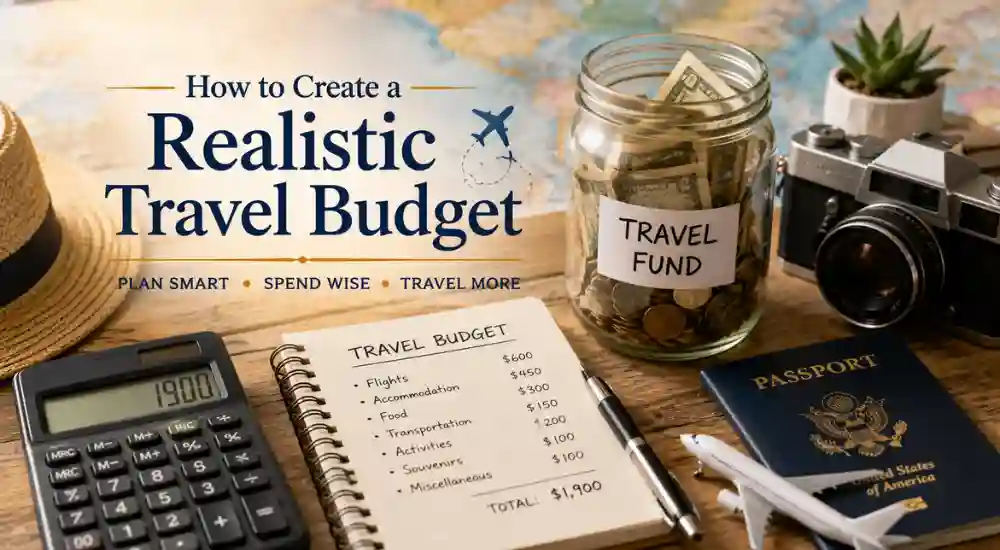
A realistic travel budget helps you understand how much money you need before leaving home. Instead of guessing your expenses, divide your budget into categories such as transportation, accommodation, food, activities, and emergency savings. This method makes it easier to control spending throughout your trip.
Using a travel budget planner or an expense tracking app can simplify the process. Review average prices for your destination, compare different options, and adjust your budget based on your travel style. A well-planned vacation budget helps you enjoy your journey without worrying about running out of money.
Estimate Transportation Costs
Transportation often takes up a large part of your travel budget, so estimate these costs first. Compare budget airlines, trains, buses, rental cars, and public transportation to find the most affordable option. If possible, book tickets early to lock in lower prices and avoid peak travel periods.
Don’t forget to include airport transfers, taxis, fuel, parking fees, tolls, or local transit passes in your calculations. Adding every transportation expense gives you a more accurate trip budget and helps prevent unexpected costs after your journey begins.
Plan Accommodation Expenses
Your choice of accommodation has a major impact on your overall travel expenses. Compare budget hotels, hostels, guesthouses, vacation rentals, and homestays to find the best value for your trip. Always check reviews, included amenities, and location before making a reservation.
Staying slightly outside popular tourist areas often reduces costs without affecting your experience. You can also save money by choosing accommodations with free breakfast, kitchen facilities, or complimentary Wi-Fi. These small benefits can significantly lower your daily spending and make budget travel even more affordable.
Budget for Food and Activities
Food and entertainment should always be part of your travel budget planning. Set a daily amount for meals and sightseeing before your trip begins. Enjoying local food, visiting street markets, or preparing simple meals can help you save money while traveling without missing authentic experiences.
Many destinations also offer free attractions, public parks, museums with discounted entry, walking tours, and cultural events. Mixing paid attractions with free activities allows you to experience more while keeping your vacation budget balanced and under control.
Leave Room for Unexpected Costs
Even the best travel planning cannot predict every expense. Flights may change, weather conditions can affect your plans, or you might discover an exciting activity worth trying. Setting aside an emergency fund gives you peace of mind throughout your trip.
A good rule is to reserve 10–15% of your total travel budget for unexpected expenses. This extra amount can cover medical needs, transportation delays, currency exchange fees, or last-minute bookings. Having a financial cushion allows you to enjoy your journey without unnecessary stress if surprises arise.
Best Budget Travel Tips Before You Book

Booking your trip without a plan can quickly increase your travel expenses. A few smart decisions before confirming your reservation can help you travel on a budget and save hundreds of dollars. Always compare options, stay flexible, and take advantage of discounts instead of choosing the first deal you find. These budget travel tips help you build a realistic trip budget while making your vacation more affordable and enjoyable.
Travel During the Off-Season
One of the easiest ways to enjoy affordable travel is by visiting destinations during the off-season or shoulder season. Flights, hotels, and attractions often cost much less when fewer tourists visit. You will also experience shorter lines, quieter attractions, and a more relaxed atmosphere.
Research the weather before booking because many destinations still offer pleasant conditions outside peak travel months. Traveling during less crowded periods helps you stretch your travel budget without sacrificing the quality of your vacation.
Be Flexible With Your Dates
Flexibility can make a big difference when searching for cheap flights and hotel deals. Even changing your departure by one or two days can lower airfare significantly. Midweek flights are often less expensive than weekend departures, and early morning or late-night flights may also offer better prices.
If your schedule allows, compare several travel dates before booking. Being flexible increases your chances of finding excellent travel deals and helps you save money while traveling from the very beginning.
Compare Prices Across Multiple Platforms
Never book the first flight or hotel you see. Compare prices across different booking websites, airline pages, and hotel platforms to find the best value. Many websites offer exclusive promotions, while booking directly with a provider sometimes includes additional benefits or flexible cancellation policies.
Taking a few extra minutes to compare prices can reduce your travel costs without changing your plans. Smart comparisons are one of the most effective budget travel hacks for every traveler.
Set Fare Alerts
Airfare changes every day, and tracking prices manually can take time. Instead, use fare alerts to receive notifications when ticket prices increase or decrease. This simple strategy helps you book flights when prices are at their lowest.
Many flight search tools let you monitor your preferred route for free. Setting alerts removes the guesswork and helps you secure cheap airfare without checking prices every day.
Book at the Right Time
Timing plays an important role in budget travel planning. Booking too early or waiting until the last minute can sometimes lead to higher prices. For many destinations, purchasing tickets several weeks before departure provides the best balance between availability and cost.
Keep an eye on seasonal promotions, airline sales, and holiday discounts. Combining good timing with flexible dates gives you the best chance of finding affordable flights and staying within your vacation budget.
How to Find Cheap Flights
Finding cheap flights requires patience and smart planning rather than luck. Compare fares on multiple search engines, check nearby airports, and travel with budget airlines when possible. Flying with only a carry-on bag can also reduce baggage fees and lower your overall travel expenses.
Clear your browser cookies if you want to compare prices fairly, and always review baggage policies before booking. If you have flexible travel plans, choose destinations with lower airfare instead of fixed locations. These simple travel hacks help you spend less on flights and leave more room in your travel budget for memorable experiences.
Save Money on Accommodation
Accommodation is often the second-largest travel expense after transportation. Fortunately, you have many options beyond traditional hotels. Compare locations, read recent reviews, and choose accommodations that offer useful amenities such as free breakfast, Wi-Fi, or kitchen access. These small extras reduce daily expenses and make budget travel much easier.

Hostels
Modern hostels offer much more than shared dormitories. Many provide private rooms, clean facilities, kitchens, and social spaces at affordable prices. They are perfect for solo travelers, students, and backpackers who want to lower accommodation costs while meeting other travelers.
Choosing a well-rated hostel allows you to enjoy a comfortable stay while keeping your trip budget under control.
Guesthouses
Guesthouses provide a warm, local experience at a lower price than many hotels. They are often family-owned, making them a great choice for travelers who want friendly service and local recommendations.
Many guesthouses include breakfast or offer home-cooked meals, helping you reduce both accommodation and food expenses during your trip.
Vacation Rentals
Vacation rentals work well for families, groups, or travelers planning longer stays. Having access to a kitchen lets you prepare simple meals instead of eating out every day, which helps you save money while traveling.
Compare cleaning fees and service charges before booking so you know the total cost rather than just the nightly rate.
House Sitting
House sitting allows travelers to stay in someone’s home while caring for pets or maintaining the property. In many cases, accommodation is completely free, making it an excellent option for long-term budget travel.
Although opportunities require planning and trust, house sitting offers significant savings and a chance to experience local neighborhoods.
Volunteer Exchanges
Volunteer exchange programs let travelers work a few hours each day in return for free accommodation and sometimes meals. Popular opportunities include hostels, farms, eco-projects, and community organizations.
This option helps reduce travel expenses, builds cultural connections, and creates meaningful experiences that go beyond traditional tourism.
Affordable Transportation Tips While Traveling
Transportation costs continue even after you arrive at your destination. Use public buses, trains, metro systems, or trams whenever possible because they usually cost much less than taxis. Walking or renting a bicycle is another excellent way to explore cities while saving money and enjoying local neighborhoods.
If you plan to visit several attractions, look for transportation passes that offer unlimited travel for one or more days. These passes often provide excellent value and help keep your travel budget organized throughout your trip.
Eat Well Without Overspending
Enjoying delicious food does not require expensive restaurants every day. Visit local markets, family-owned restaurants, and street food vendors to experience authentic meals at lower prices. Many destinations offer fresh, high-quality food that costs much less than tourist-focused dining spots.
If your accommodation has a kitchen, prepare breakfast or a few simple meals yourself. Carry a reusable water bottle and healthy snacks during sightseeing to avoid expensive convenience purchases. These small habits help you save money while traveling, while still enjoying local flavors.

Pack Smart to Avoid Extra Costs
Packing wisely helps you avoid baggage fees, unnecessary shopping, and travel stress. Create a packing checklist before your trip and bring versatile clothing that works for different activities and weather conditions. Packing light also makes it easier to use public transportation and move between destinations.
Remember essential items such as chargers, medications, reusable water bottles, and travel documents. Buying forgotten items at tourist destinations often costs much more than purchasing them before you leave. Smart packing is one of the simplest budget travel tips that saves both money and time.
Use Technology to Save More Money
Technology makes travel planning easier than ever. From comparing prices to managing expenses, the right digital tools help you control your travel budget throughout your journey. Download useful apps before leaving home so you can access them even with limited internet service.
Budget Travel Apps
Budget travel apps help you compare flights, hotels, transportation, and activities in one place. They also highlight discounts, price drops, and special offers, making it easier to find the best travel deals before booking.
Navigation Apps
Navigation apps help you find the fastest walking routes, public transportation options, and nearby attractions. They reduce the need for expensive taxis and help you explore confidently, even in unfamiliar cities.
Expense Tracking Apps
Tracking your daily spending keeps your travel budget on target. Expense tracking apps organize purchases into categories, allowing you to see where your money goes and adjust your spending before you exceed your budget.
Currency Converter Apps
Currency converter apps show real-time exchange rates, helping you understand prices quickly while shopping or dining abroad. They also reduce confusion during international travel and help you avoid overspending because of incorrect currency calculations.
Hidden Travel Costs Most Travelers Forget
Many travelers focus on cheap flights and budget accommodation but forget about smaller expenses that can quickly add up. Airport baggage fees, travel insurance, currency exchange charges, ATM withdrawal fees, parking, tourist taxes, mobile data, and souvenir shopping can all increase your travel expenses. Even small daily purchases like bottled water or snacks may affect your trip budget over time.
Before your trip, create a complete spending checklist that includes both major and minor costs. Set aside 10–15% of your travel budget for unexpected expenses such as transportation delays, emergency purchases, or medical needs. Preparing for these hidden costs helps you travel on a budget without financial stress and keeps your vacation enjoyable from start to finish.
Budget Travel Credit Cards and Reward Points
If you travel regularly, travel reward credit cards can help you save money over time. Many cards let you earn points or airline miles on everyday purchases, which you can later redeem for cheap flights, hotel stays, airport lounge access, or travel-related discounts. Some cards also include benefits such as free checked baggage, travel insurance, and no foreign transaction fees.
Choose a card that matches your spending habits instead of applying for one with features you may never use. Always pay your balance on time to avoid interest charges that could cancel out your savings. When used responsibly, reward programs make affordable travel even more accessible and help reduce your overall travel costs.
How eSIMs and Local SIM Cards Can Reduce Travel Expenses
Paying international roaming charges can quickly increase your travel budget, especially if you rely on mobile data for maps, bookings, and communication. Using an eSIM or purchasing a local SIM card gives you affordable internet access at a much lower cost than most roaming plans. Many providers offer flexible data packages designed specifically for travelers.
Before your trip, compare eSIM providers and local mobile networks to find the best coverage and pricing for your destination. Reliable internet allows you to book transportation, compare prices, use navigation apps, and stay connected without worrying about expensive phone bills. This simple switch can help you save money while traveling throughout your journey.
AI Tools That Help You Plan Budget Trips
Artificial intelligence has made travel planning faster and more efficient. AI-powered travel tools can compare flight prices, recommend budget-friendly travel destinations, suggest personalized itineraries, and identify the best times to book. These tools save time while helping you find better travel deals without spending hours researching.
You can also use AI to discover free attractions, estimate daily expenses, organize packing lists, and build a realistic travel itinerary based on your budget. While AI provides helpful suggestions, always double-check prices and booking details before making reservations. Combining AI with your own research makes budget travel planning easier and more accurate.
Free and Affordable Things to Do Anywhere

You do not need expensive tickets to enjoy a memorable trip. Many destinations offer free attractions such as parks, beaches, museums with free admission days, historic neighborhoods, scenic viewpoints, local markets, and self-guided walking tours. These experiences allow you to explore the local culture while keeping your travel expenses low.
Check community event calendars before your visit because many cities host free festivals, outdoor concerts, cultural performances, and seasonal celebrations throughout the year. Mixing paid attractions with free activities helps you experience more while staying within your vacation budget. It is one of the easiest ways to enjoy affordable travel without missing the highlights of your destination.
Budget Travel Tips for Different Types of Travelers
Every traveler has different priorities, but smart planning helps everyone travel on a budget. Whether you are exploring alone, traveling with family, studying abroad, or working remotely, choosing the right money-saving strategies makes your journey more affordable. Tailoring your budget travel tips to your travel style helps you control expenses while enjoying a comfortable and rewarding experience.
Solo Travelers
Solo travelers have more flexibility when booking flights, accommodation, and transportation. Stay in well-reviewed hostels or guesthouses, use public transportation, and join free walking tours to meet other travelers. Traveling with only a carry-on bag also helps reduce baggage fees and keeps your travel budget under control.
Couples
Couples can lower travel expenses by sharing hotel rooms, transportation costs, and meals. Vacation rentals with kitchen facilities make it easy to prepare breakfast or dinner together instead of dining out for every meal. Booking package deals and traveling during the off-season can also stretch your vacation budget further.
Families
Family travel requires careful travel budget planning, but it can still be affordable. Choose family-friendly accommodations with kitchen access, book attractions in advance for discounted prices, and look for destinations that offer free parks, beaches, or museums. Packing snacks and reusable water bottles also reduces daily food expenses.
Students
Students often qualify for discounts on transportation, museums, attractions, and accommodations. Take advantage of student travel cards, budget airlines, hostels, and public transportation to reduce costs. Planning ahead and traveling during school breaks with lower demand can also help students enjoy cheap travel without overspending.
Digital Nomads
Digital nomads benefit from choosing destinations with a lower cost of living and reliable internet access. Renting accommodation for longer periods often lowers monthly rates, while coworking spaces and local cafés provide affordable places to work. Tracking monthly expenses and using expense tracking apps helps digital nomads maintain a sustainable budget travel lifestyle while working remotely.
Budget Travel Mistakes to Avoid
Even experienced travelers make mistakes that increase their travel expenses. One of the biggest mistakes is booking flights or hotels without comparing prices. Others include overpacking, eating only at tourist restaurants, ignoring public transportation, and forgetting to budget for hidden costs like baggage fees or travel insurance. These small decisions can quickly push you over your travel budget.
To travel on a budget, always plan ahead, track your spending, and leave room for unexpected expenses. Use budget travel apps, compare deals before booking, and avoid last-minute purchases whenever possible. Learning from these common mistakes helps you enjoy a smoother, more affordable trip while making the most of every dollar.
Budget Travel Checklist Before You Leave
A simple checklist helps you stay organized and prevents costly mistakes before your trip begins. Use this list to make sure everything is ready before you leave home.
- Create a realistic travel budget and set an emergency fund.
- Book cheap flights and budget accommodation in advance.
- Compare travel insurance options.
- Download navigation, expense tracking, and currency converter apps.
- Purchase an eSIM or check local SIM card options.
- Pack light to avoid extra baggage fees.
- Keep copies of important travel documents.
- Notify your bank if you are traveling internationally.
- Exchange a small amount of local currency if needed.
- Confirm hotel reservations and transportation details.
Completing these steps before departure helps reduce stress, control travel costs, and ensures a smoother budget travel experience.
Frequently Asked Questions
1. How can I travel on a budget without missing great experiences?
Focus on smart planning instead of cutting out activities. Book early, compare prices, use public transportation, and include free attractions in your itinerary. These budget travel tips help you save money while still enjoying memorable experiences.
2. What is the cheapest way to travel?
The cheapest way to travel depends on your destination, but using budget airlines, staying in hostels or guesthouses, traveling during the off-season, and eating local food are some of the best ways to reduce travel expenses.
3. How much money should I save before a trip?
Your travel budget depends on your destination, trip length, and travel style. Plan for transportation, accommodation, food, activities, and an emergency fund equal to about 10–15% of your total budget.
4. Are budget travel apps worth using?
Yes. Budget travel apps help you compare flights, track expenses, find discounts, and organize your itinerary. They save both time and money, making travel planning much easier.
5. Is budget travel safe?
Yes, budget travel can be very safe when you research your destination, choose trusted accommodations, protect your belongings, and purchase travel insurance. Smart planning helps you enjoy an affordable and secure trip.
Conclusion
Traveling does not have to be expensive. With the right budget travel tips, careful travel planning, and smart spending habits, you can explore more places without stretching your finances. Small choices such as booking cheap flights, selecting budget accommodation, using public transportation, packing wisely, and tracking your expenses can make a significant difference throughout your journey.
Remember that budget travel is about making informed decisions, not giving up comfort or memorable experiences. Start planning early, stay flexible, and use the strategies in this guide to save money while traveling. Whether you are a solo traveler, a family, a student, or a digital nomad, these practical tips will help you build a realistic travel budget, reduce unnecessary costs, and enjoy affordable adventures with confidence.