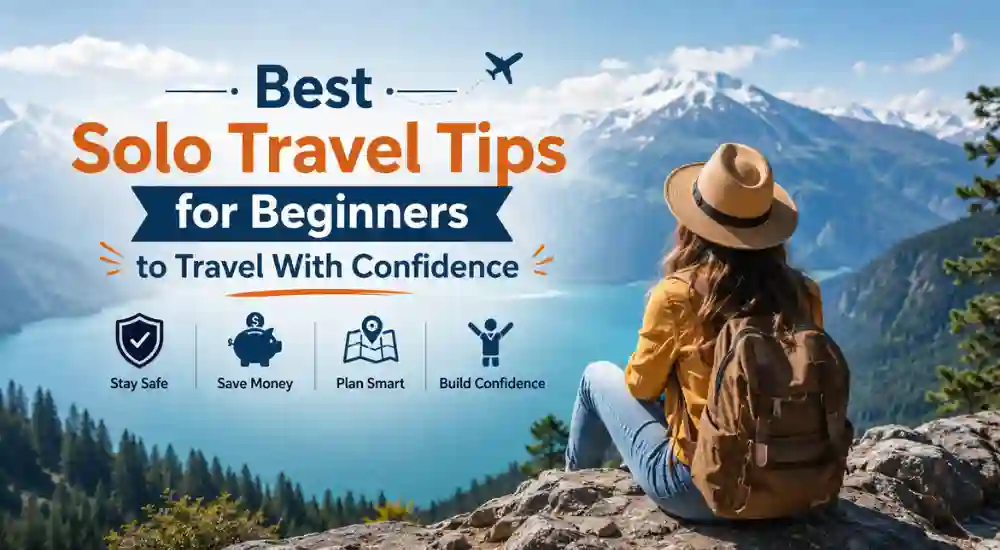
Traveling alone can feel exciting, empowering, and a little intimidating at the same time. Whether you’re planning your very first trip or looking for better solo travel tips, learning how to explore the world on your own can open the door to incredible experiences. From building confidence to enjoying complete freedom, solo travel allows you to discover new places at your own pace while creating unforgettable memories.
The good news is that traveling alone doesn’t have to be stressful. With the right solo travel planning, smart safety habits, and a few practical strategies, even a first-time solo traveler can travel confidently. In this guide, you’ll find the best solo travel advice, including solo travel safety tips, packing recommendations, budgeting ideas, and ways to meet people along the journey. Whether you’re wondering how to travel alone, stay safe, or make the most of your adventure, these expert tips will help you enjoy a rewarding and successful solo travel experience.
Quick Answer: What Are the Best Solo Travel Tips?
The best solo travel tips include planning ahead, choosing safe accommodations, packing light, staying aware of your surroundings, and keeping emergency contacts accessible. For a successful solo travel experience, research your destination, set a realistic budget, trust your instincts, and stay connected. These simple habits help first-time solo travelers travel safely, confidently, and independently.
Why Solo Travel Is Worth Trying
Solo travel is more than just visiting new places alone. It is an opportunity to learn about yourself, step outside your comfort zone, and experience the world in a completely different way. Unlike group trips, traveling alone gives you the freedom to make every decision based on your interests, schedule, and goals. Whether you want to explore a busy city, relax on a beach, or immerse yourself in a new culture, independent travel allows you to create a journey that feels truly personal.
Many people hesitate because they worry about safety, loneliness, or making mistakes. However, with proper solo travel planning and preparation, these concerns become much easier to manage. The rewards often outweigh the challenges, making solo adventures one of the most memorable forms of travel.

Benefits of Traveling Alone
One of the biggest benefits of traveling alone is freedom. You can choose where to go, what to see, and how long to stay without having to compromise with anyone else. This flexibility allows you to enjoy authentic experiences and explore at your own pace.
Solo travel also encourages personal growth. You become more adaptable, improve your problem-solving skills, and gain a greater sense of independence. Many travelers discover new interests, connect with different cultures, and develop a deeper appreciation for themselves during their journey.
Other benefits include:
- Greater flexibility and freedom
- Increased self-awareness
- More opportunities to meet new people
- Stronger decision-making skills
- Memorable and rewarding experiences
How Solo Travel Builds Confidence
Every successful solo trip teaches valuable life skills. When you navigate unfamiliar places, use local transportation, or solve unexpected challenges on your own, you begin to trust your abilities more. These small victories help build confidence over time.
For many first-time solo travelers, the idea of handling everything independently can seem overwhelming. However, each step—whether it’s booking accommodation, finding your way through a new city, or communicating with locals—proves that you are more capable than you may think.
As your confidence grows, future trips become easier and more enjoyable. Many solo travelers find that the independence they gain while traveling positively impacts other areas of life as well.
Common Fears and Why They Are Normal
Feeling nervous before your first solo trip is completely normal. In fact, most experienced travelers had similar concerns before they started. Fear often comes from uncertainty rather than actual risk.
Common concerns include:
- Worrying about safety
- Feeling lonely while traveling
- Getting lost in unfamiliar places
- Managing a travel budget
- Handling emergencies alone
The key is preparation. Researching your destination, creating a flexible itinerary, carrying important documents, and following basic solo travel safety tips can significantly reduce these worries. Remember that confidence doesn’t come before action—it develops through experience.
Many travelers who were once afraid of traveling alone for the first time later describe solo travel as one of the most rewarding experiences of their lives.
How to Prepare for Your First Solo Trip
Good preparation can make the difference between a stressful trip and a rewarding solo travel experience. While every destination is different, taking time to plan ahead helps reduce uncertainty and gives you more confidence once your journey begins. These solo travel planning tips can help any first-time solo traveler feel more prepared and organized.
Choose the Right Destination
Choosing the right destination is one of the most important solo travel tips for beginners. Start with a place that is known for being safe, easy to navigate, and welcoming to travelers. Destinations with reliable public transportation, tourist-friendly infrastructure, and good accommodation options are often ideal for first-time solo travelers.
Consider your budget, language barriers, and travel goals. Some travelers prefer vibrant cities, while others enjoy quiet beach towns or nature-focused destinations. Selecting a location that matches your comfort level can make your first solo adventure much more enjoyable.
Research Local Customs and Culture
Learning about local customs before you arrive helps you avoid misunderstandings and shows respect for the local culture. Research common greetings, dress expectations, dining etiquette, and local laws.
Understanding cultural norms can also improve your safety and help you interact more confidently with locals. Even learning a few basic phrases in the local language can create positive experiences and make daily interactions easier during your independent travel journey.
Create a Flexible Travel Plan
Having a travel plan is important, but avoid scheduling every minute of your trip. A flexible itinerary allows room for unexpected discoveries and memorable experiences.
Include major attractions, accommodation details, transportation options, and emergency contacts. At the same time, leave space for spontaneous activities. One of the best solo travel hacks is balancing preparation with flexibility so you can adapt to changing situations without feeling overwhelmed.
Set a Realistic Budget
A clear budget helps prevent financial stress during your trip. Calculate expected costs for accommodation, transportation, food, activities, and emergency expenses.
Using budgeting apps can help track spending throughout your journey. It’s also wise to carry an emergency fund in case of unexpected situations. Proper travel budgeting allows you to focus on enjoying your adventure rather than worrying about money.
Purchase Travel Insurance
Many travelers overlook travel insurance until something goes wrong. However, insurance can provide valuable protection for medical emergencies, trip cancellations, lost luggage, and other unexpected events.
When comparing policies, make sure the coverage matches your destination and planned activities. A small investment in travel insurance can provide peace of mind and make your solo travel preparation checklist more complete.
Essential Solo Travel Safety Tips
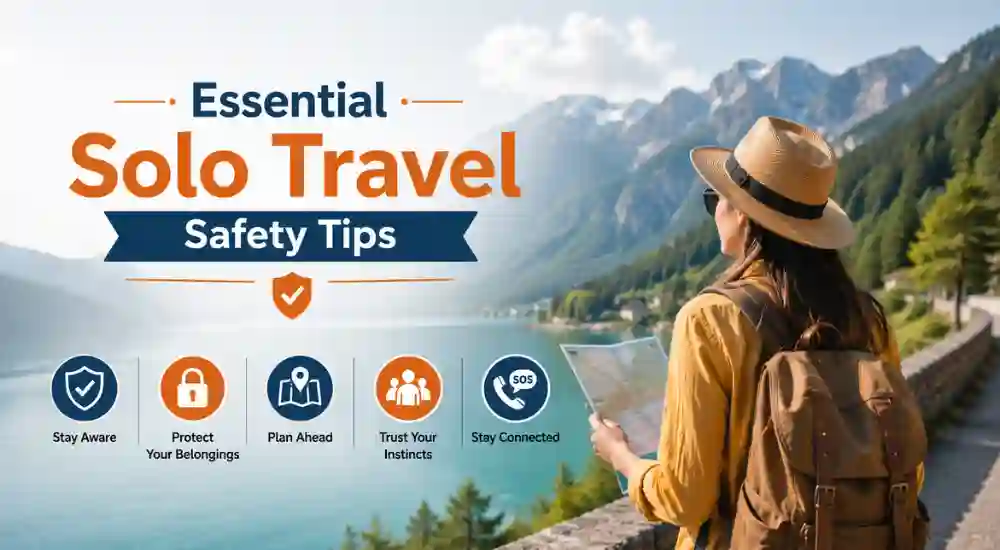
Safety is one of the biggest concerns for people who are traveling alone for the first time. Fortunately, most solo trips are safe when travelers take reasonable precautions. These solo travel safety tips can help you stay confident and prepared throughout your journey.
Share Your Itinerary With Someone You Trust
Before leaving, share your travel plans with a trusted family member or friend. Include accommodation details, flight information, and important contact numbers.
Checking in regularly gives someone a way to reach you if needed and provides an extra layer of security. This simple habit is one of the easiest ways to improve personal safety while traveling alone.
Stay Aware of Your Surroundings
Remaining aware of your surroundings can help you avoid unnecessary risks. Pay attention to local conditions, transportation routes, and unfamiliar areas.
Avoid walking alone in poorly lit locations late at night, and keep distractions such as headphones to a minimum when navigating unfamiliar places. Staying alert allows you to make smarter decisions and travel more confidently.
Protect Your Valuables
Keeping your belongings secure is a key part of safe solo travel. Use anti-theft bags, hotel safes, or secure compartments when storing important items.
Avoid carrying large amounts of cash and keep copies of essential documents in separate locations. Having digital backups of your passport, identification, and travel documents can be extremely helpful if something is lost or stolen.
Avoid Common Tourist Scams
Tourist scams exist in many destinations, but a little research can help you avoid them. Learn about common local scams before you travel and be cautious when approached by strangers offering deals that seem too good to be true.
Use official transportation services, verify prices in advance, and stay cautious when sharing personal information. Awareness is one of the best defenses against travel fraud.
Trust Your Instincts
Your instincts are often your best safety tool. If a situation feels uncomfortable, remove yourself from it. You do not need to be polite if your safety feels at risk.
Experienced solo travelers frequently mention that trusting their instincts helped them avoid potential problems. Confidence grows with experience, but listening to your intuition remains important at every stage of your travel journey.
Solo Travel Tips for Women
While many solo travel safety tips apply to everyone, women may face additional considerations when traveling alone. With proper planning and awareness, solo female travel can be both safe and incredibly rewarding.
Choosing Safe Destinations
Research destinations carefully before booking your trip. Look for locations with positive reviews from solo female travelers, strong tourism infrastructure, and good safety records.
Reading recent traveler experiences can provide valuable insights into local conditions and help you make informed decisions about where to go.
Accommodation Safety Tips
Choose accommodations with strong reviews, secure entrances, and reliable customer service. Hotels, guesthouses, and hostels that prioritize traveler safety are often worth the extra cost.
Upon arrival, familiarize yourself with emergency exits and keep your room locked whenever possible. These small precautions can improve your comfort and peace of mind.
Transportation Safety Advice
Use trusted transportation providers whenever possible. Rideshare apps, licensed taxis, and official airport transfers are generally safer than accepting rides from strangers.
If arriving at night, arrange transportation in advance and share your travel details with someone you trust. Planning ahead helps reduce uncertainty and improves overall safety.
Staying Connected While Traveling
Reliable communication is essential during solo travel. Consider purchasing a local SIM card or eSIM to stay connected throughout your trip.
Regularly update family or friends about your location and keep important emergency numbers saved on your phone. Staying connected not only improves safety but also provides reassurance when exploring unfamiliar destinations.
Smart Packing Tips for Solo Travelers
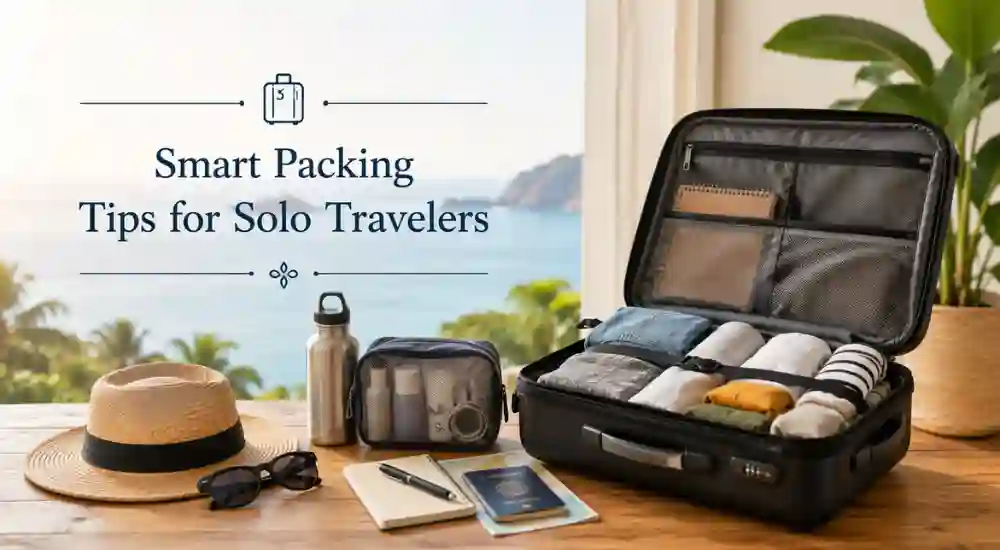
Packing smart can make your trip easier, safer, and more enjoyable. One of the most valuable solo travel tips is learning how to travel light while still carrying everything you need.
Pack Light and Efficiently
Overpacking is one of the most common mistakes first-time travelers make. Carrying fewer items makes it easier to move through airports, train stations, and city streets.
Choose versatile clothing that can be mixed and matched, and prioritize essentials over items you may never use. A lighter bag often leads to a smoother travel experience.
Essential Documents to Carry
Always keep important travel documents organized and accessible. This includes your passport, identification, visas, travel insurance details, accommodation confirmations, and transportation tickets.
Store physical copies separately from originals and keep digital backups in secure cloud storage. Being prepared can save significant stress if documents are lost or stolen.
Backup Payment Methods
Relying on a single payment method can create problems if your card is lost, damaged, or blocked. Carry at least two payment options and keep them in separate locations.
Many experienced travelers also keep a small amount of emergency cash available for situations where cards are not accepted.
Technology and Travel Essentials
Technology can make traveling alone easier and safer. Essential items include a power bank, universal adapter, smartphone, charging cables, and noise-canceling headphones.
Helpful travel tools such as offline maps, translation apps, budgeting apps, and navigation apps can simplify your journey. Having the right technology allows you to stay connected, organized, and confident wherever your travels take you.
Best Apps and Technology for Solo Travel
Modern technology has made solo travel easier, safer, and more convenient than ever before. From finding directions in unfamiliar cities to managing expenses and staying connected with loved ones, the right tools can significantly improve your travel experience. Many travelers focus on packing and safety, but technology is an often-overlooked part of a successful solo travel preparation checklist.
Navigation Apps
Getting lost can be stressful, especially when you’re exploring a new destination alone. Navigation apps help you find routes, locate attractions, and use public transportation more confidently.
Offline map features are particularly useful because they allow you to access directions even when internet service is unavailable. Downloading maps before your trip is one of the smartest solo travel hacks for navigating unfamiliar places.
Translation Apps
Language barriers can feel intimidating, but translation apps make communication much easier. They can help you read menus, understand signs, ask for directions, and communicate with locals.
Even if you learn a few basic phrases, having a translation app available provides extra confidence and can make cultural interactions more enjoyable during your independent travel experience.
Budget Tracking Apps
Managing expenses is an important part of travel budgeting. Budget tracking apps help you monitor daily spending, set limits, and avoid overspending while traveling.
By keeping a record of accommodation costs, transportation expenses, meals, and activities, you can stay on track financially and avoid surprises later in your trip.
Emergency and Safety Apps
Safety-focused apps can provide peace of mind when traveling alone. Many apps allow location sharing, emergency alerts, and quick access to local emergency services.
It’s also helpful to save important phone numbers, accommodation information, and emergency contacts directly on your device. Combined with basic solo travel safety tips, these tools can make your journey safer and more organized.
How to Meet People While Traveling Alone
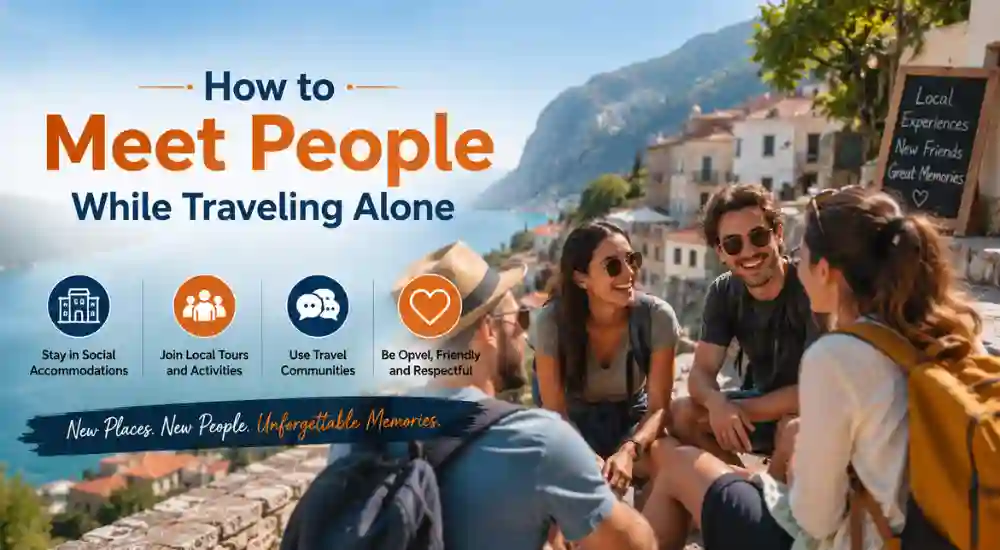
One common concern among first-time solo travelers is the fear of feeling lonely. While solo travel offers plenty of independence, it doesn’t mean you have to be alone all the time. In fact, many travelers find it easier to meet new people when they are traveling by themselves.
Stay in Social Accommodations
Hostels, guesthouses, and social hotels often provide opportunities to meet fellow travelers. Many organize group dinners, walking tours, and community events that encourage interaction.
Choosing accommodations with common areas can make it easier to start conversations and connect with people who share similar interests.
Join Local Tours and Activities
Group tours are an excellent way to meet people while exploring a destination. Walking tours, food tours, adventure activities, and cultural experiences naturally bring travelers together.
Participating in local activities not only helps you make new connections but also gives you a deeper understanding of the destination and its culture.
Use Travel Communities
Travel communities and online groups can help solo travelers connect before and during a trip. Many platforms allow travelers to share advice, organize meetups, and exchange recommendations.
These communities can be especially valuable for people wondering how to meet people while traveling alone while still maintaining flexibility and independence.
Balance Social Time and Alone Time
One of the unique benefits of solo travel is the ability to choose how social you want to be. Some days you may enjoy meeting new people, while other days you may prefer exploring independently.
Finding a balance between social interaction and personal time can make your trip more enjoyable and prevent feelings of exhaustion or loneliness. Remember that solo travel is about creating the experience that works best for you.
Solo Travel Budgeting Tips
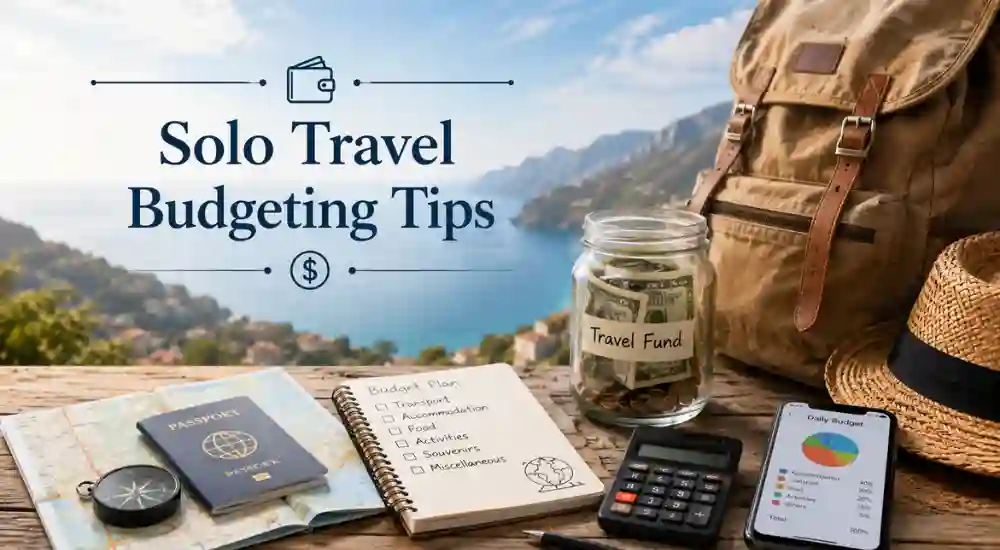
A well-planned budget allows you to enjoy your trip without unnecessary financial stress. Whether you’re planning a short getaway or a long-term adventure, smart money management is one of the most valuable solo travel tips for beginners.
Saving Money on Accommodation
Accommodation is often one of the largest travel expenses. Comparing prices, booking early, and considering alternative lodging options can help reduce costs.
Hostels, guesthouses, and vacation rentals may provide affordable alternatives to traditional hotels. Many also offer kitchens, helping travelers save additional money on meals.
Transportation Savings
Transportation expenses can quickly add up if not carefully managed. Research local transportation options before arriving at your destination and compare costs between public transit, rideshares, and taxis.
Walking whenever possible is not only budget-friendly but also a great way to experience local culture and discover hidden attractions.
Eating Well on a Budget
Food is an important part of any travel experience, but dining out for every meal can become expensive. Consider mixing restaurant visits with grocery shopping and local markets.
Trying local street food from reputable vendors can also provide authentic cultural experiences while helping you stay within your travel budget.
Avoiding Hidden Costs
Unexpected expenses can disrupt even the most carefully planned trip. Common hidden costs include foreign transaction fees, baggage charges, tourist taxes, and transportation surcharges.
Reading policies carefully and researching local fees ahead of time can help you avoid surprises. Keeping an emergency fund is another important part of responsible travel preparation.
Common Solo Travel Mistakes to Avoid
Even experienced travelers occasionally make mistakes. Learning from common errors can help you enjoy a smoother and safer journey. These lessons are especially valuable for anyone traveling alone for the first time.
Overplanning Every Detail
Planning is important, but trying to control every minute of your trip can lead to unnecessary stress. Delays, weather changes, and unexpected opportunities are all part of travel.
A flexible itinerary allows you to adapt while still enjoying the freedom that makes solo travel so rewarding.
Packing Too Much
Many travelers bring far more than they actually need. Heavy luggage can make moving between destinations more difficult and reduce overall flexibility.
Packing versatile clothing and focusing on essentials helps create a more comfortable and efficient travel experience.
Ignoring Safety Precautions
Some travelers become overly confident and stop following basic safety practices. Ignoring local advice, walking alone in unsafe areas, or sharing too much personal information can increase risks.
Following practical solo travel safety tips and staying aware of your surroundings can help prevent many common problems.
Not Having Emergency Backups
Unexpected situations can happen anywhere. Lost documents, canceled flights, stolen cards, or medical emergencies are easier to manage when you have backup plans.
Keep copies of important travel documents, carry multiple payment methods, and maintain an emergency fund. These simple precautions can make a major difference when challenges arise during your solo travel experience.
How to Handle Loneliness While Traveling Alone
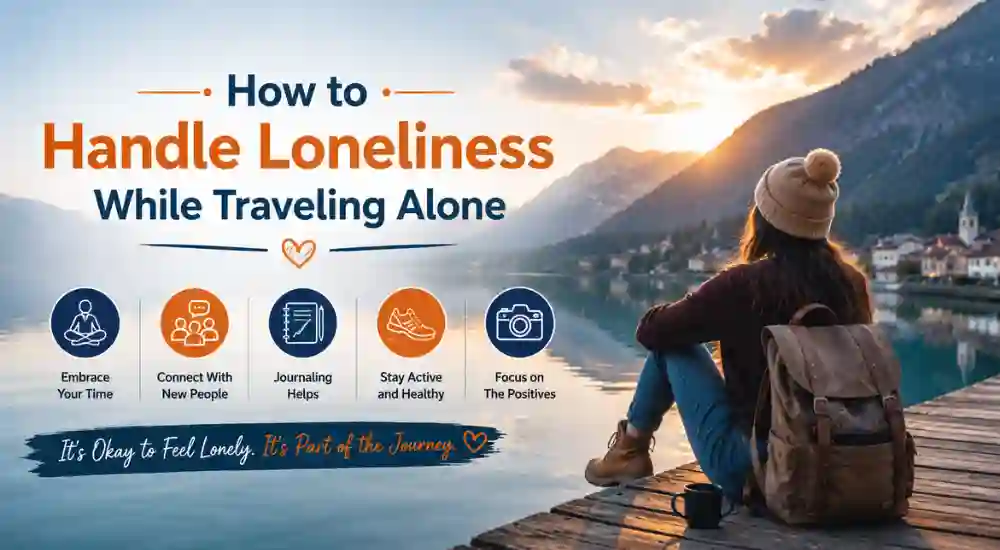
While solo travel offers freedom and independence, there may be moments when you feel lonely. This is completely normal and happens to many travelers, including experienced ones. The good news is that loneliness is usually temporary and can often be managed with the right mindset and habits. Understanding this part of the journey can help you enjoy a more balanced and rewarding solo travel experience.
Understanding Travel Loneliness
Many people assume that loneliness means they made the wrong decision to travel alone. In reality, occasional feelings of loneliness are a normal part of being away from familiar people and routines.
You may experience these feelings during long travel days, holidays, or quiet evenings. Rather than viewing loneliness as a problem, try to see it as a temporary emotion that will pass. Recognizing this can help you focus on the positive aspects of independent travel, such as freedom, self-discovery, and personal growth.
Building Meaningful Connections
One of the best ways to overcome loneliness is by creating meaningful connections during your trip. This doesn’t mean you need to make lifelong friends everywhere you go. Even simple conversations with fellow travelers, locals, or tour guides can make your experience more enjoyable.
Joining group activities, staying in social accommodations, and participating in local events can help you connect with people naturally. These experiences often become some of the most memorable parts of traveling alone.
Creating a Healthy Travel Routine
A healthy routine can make a big difference in your emotional well-being while traveling. Try to maintain regular sleep schedules, eat balanced meals, stay active, and take breaks when needed.
Journaling, reading, exercising, or enjoying a morning coffee at the same café can create a sense of stability during your trip. Small routines help reduce stress and make solo travel feel more comfortable and familiar.
Digital Safety Tips for Solo Travelers
Physical safety is important, but digital safety is equally essential in today’s connected world. Many travelers focus on protecting their belongings but overlook the risks associated with public internet networks, online payments, and personal data. These digital safety tips can help protect your information while traveling.
Secure Public Wi-Fi Usage
Public Wi-Fi is convenient, but it can also expose your personal information to cyber threats. Avoid accessing sensitive accounts, such as online banking, when connected to unsecured networks.
Whenever possible, use trusted networks and disable automatic Wi-Fi connections on your devices. Taking these precautions can reduce the risk of unauthorized access to your personal information.
Protecting Financial Information
Financial security should be a priority during any trip. Use strong passwords, enable two-factor authentication, and monitor your bank accounts regularly for suspicious activity.
Avoid sharing payment information on unfamiliar websites and only use secure payment platforms. These habits help protect your finances and support a safer solo travel experience.
Using eSIMs and VPNs
eSIMs have become a popular option for travelers because they provide convenient mobile data access without needing a physical SIM card. They can help you stay connected, use navigation apps, and communicate with family or friends throughout your journey.
A VPN adds another layer of protection by encrypting your internet connection. This is especially useful when using public Wi-Fi in airports, hotels, cafés, and other shared spaces. Combining eSIMs and VPNs is one of the smartest modern solo travel hacks for staying connected and secure.
Solo Travel Checklist Before You Leave
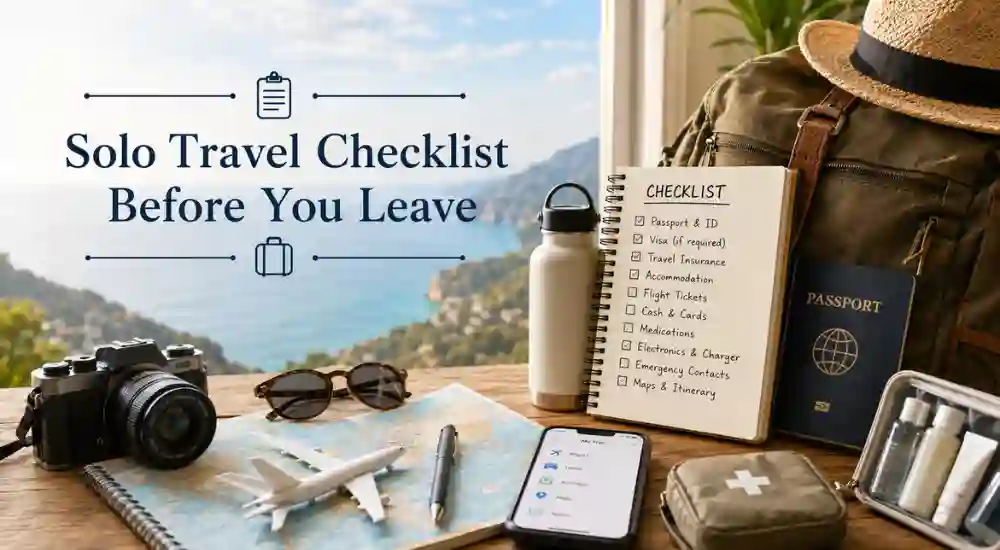
Preparation is one of the most effective ways to reduce travel stress. Before departure, use this simple solo travel checklist to make sure you have everything you need for a smooth journey.
Documents Checklist
Before leaving home, confirm that you have:
- Passport and identification
- Required visas
- Travel insurance documents
- Flight and accommodation confirmations
- Emergency contact information
- Digital and printed document copies
Keeping backup copies of important documents can save time and stress if anything is lost during your trip.
Safety Checklist
Review these important solo travel safety tips before departure:
- Share your itinerary with someone you trust
- Research local emergency numbers
- Save accommodation contact details
- Learn about common tourist scams
- Keep emergency funds available
- Store valuables securely
These simple steps can improve your confidence and preparedness while traveling.
Budget Checklist
Financial preparation is an essential part of travel budgeting. Make sure you:
- Set a daily spending limit
- Carry multiple payment methods
- Notify your bank of travel plans
- Prepare an emergency fund
- Track expected travel expenses
A realistic budget allows you to enjoy your trip without unnecessary financial stress.
Technology Checklist
Technology can make your trip safer and more convenient. Before leaving, confirm that you have:
- Smartphone and charger
- Portable power bank
- Universal travel adapter
- Offline maps downloaded
- Translation apps installed
- VPN activated
- eSIM or local data plan ready
Having these tools prepared before departure can make your journey much smoother.
Frequently Asked Questions
Is Solo Travel Safe?
Yes, solo travel is generally safe when you take reasonable precautions. Research your destination, stay aware of your surroundings, choose secure accommodations, and follow basic solo travel safety tips. Preparation and common sense are often the most effective safety tools.
What Is the Best Age for Solo Travel?
There is no perfect age for traveling alone. People successfully enjoy solo travel in their twenties, thirties, fifties, and beyond. The best time is when you feel ready, prepared, and excited to explore independently.
How Much Money Should I Budget?
Your budget depends on your destination, travel style, and trip length. Start by estimating accommodation, transportation, meals, activities, and emergency expenses. A realistic travel budgeting plan can help you avoid overspending while still enjoying your experience.
How Do I Meet People While Traveling Alone?
Many travelers meet people through hostels, walking tours, travel communities, local events, and group activities. Being open to conversations and joining social experiences can make it easier to build connections while maintaining the freedom of independent travel.
What Are the Best Destinations for First-Time Solo Travelers?
Destinations with strong tourism infrastructure, reliable transportation, and positive safety records are often ideal for first-time solo travelers. Cities and countries known for welcoming visitors can help make your first solo adventure more comfortable and enjoyable.
Final Thoughts
Taking your first solo trip may feel challenging, but it can also be one of the most rewarding experiences of your life. With proper solo travel planning, smart budgeting, practical safety habits, and a willingness to step outside your comfort zone, you can travel confidently and create unforgettable memories.
Remember that every experienced traveler started as a beginner. The key is to prepare well, stay flexible, and trust yourself along the way. Whether your goal is personal growth, adventure, cultural exploration, or simply enjoying your own company, these solo travel tips can help you travel safely, confidently, and make the most of every journey. The world is full of opportunities waiting to be discovered—sometimes the best way to experience them is on your own.