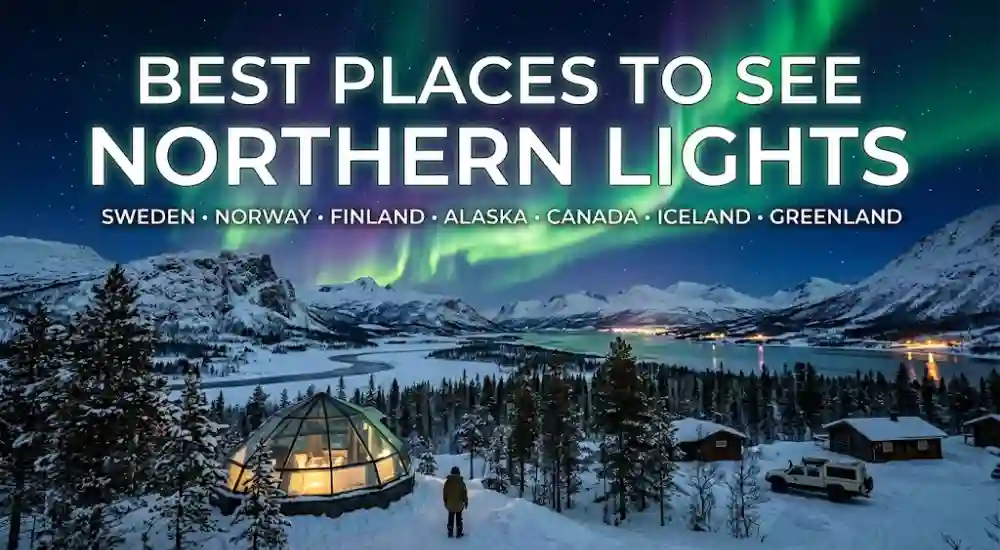
The Northern Lights, also called the Aurora Borealis, are one of the most magical natural sights on Earth. But choosing the best places to see Northern Lights is not as simple as traveling as far north as possible. Your chances depend on several factors, including auroral activity, clear skies, darkness, low light pollution, and the time of year. Destinations such as Tromsø, Abisko, Finnish Lapland, Iceland, Fairbanks, and northern Canada stand out for different reasons, from strong viewing conditions to easy access and unforgettable Arctic experiences.
In this guide, we’ll explore the best Northern Lights destinations and explain what makes each one worth visiting. You’ll also discover the best time to see the Northern Lights, how many nights you should stay, how to read an aurora forecast, and which destinations work best for families, couples, photographers, luxury travelers, and budget trips.
Quick Answer: Where Are the Best Places to See the Northern Lights?
The best places to see the Northern Lights include Tromsø in Norway, Abisko in Sweden, Finnish Lapland, Iceland, Fairbanks in Alaska, and Yellowknife in Canada. These destinations offer a strong mix of northern location, dark skies, aurora activity, viewing opportunities, and travel infrastructure.
Tromsø works especially well for first-time visitors, while Abisko is known for favorable sky conditions. Finnish Lapland suits families and luxury travelers, Iceland offers dramatic scenery, and Fairbanks provides one of the strongest options in North America. No destination guarantees an aurora, so staying several nights can greatly improve your chances.
TL;DR
- Tromsø, Norway is one of the best places to see the Northern Lights for first-time visitors because it offers easy access, guided tours, and plenty of Arctic activities.
- Abisko, Sweden is a strong choice for travelers who prioritize clear skies and dark viewing conditions.
- Finnish Lapland is ideal for families, couples, and luxury travelers, especially those interested in glass igloos and Arctic experiences.
- Iceland combines Northern Lights viewing with dramatic landscapes, making it excellent for road trips and photography.
- Fairbanks, Alaska and Yellowknife, Canada are among the best options for travelers seeking the Northern Lights in North America.
- Lofoten Islands, Norway is particularly appealing to photographers because of its mountains, beaches, and coastal scenery.
- The best Northern Lights season generally runs from September through March or April, when nights are long and dark.
- Clear skies matter as much as auroral activity. A strong aurora forecast cannot help if thick clouds block the sky.
- Stay for at least three nights to increase your chances of seeing the Aurora Borealis.
- Do not rely only on the Kp index. Check cloud cover, solar activity, local weather, darkness, and your exact location.
- Northern Lights are never guaranteed, even at the world’s top viewing destinations.
- Choose a destination that offers backup activities, so your trip remains enjoyable if clouds or weak auroral activity prevent a sighting.
Best Places to See the Northern Lights at a Glance
The table below gives you a quick way to compare some of the best Northern Lights destinations. Each location offers a different experience, so the right choice depends on your travel style, budget, and preferred activities.
| Destination | Best For | Best Months | Main Advantage |
| Tromsø, Norway | First-timers | Sep–Mar | Easy access and tours |
| Abisko, Sweden | Clear skies | Sep–Mar | Favorable local weather |
| Finnish Lapland | Families & luxury | Sep–Mar | Glass igloos and activities |
| Iceland | Road trips | Sep–Apr | Landscapes and aurora |
| Fairbanks, Alaska | North America | Aug–Apr | Strong aurora opportunities |
| Yellowknife, Canada | Dark skies | Aug–Apr | Excellent viewing conditions |
| Lofoten, Norway | Photography | Sep–Mar | Dramatic scenery |
| Svalbard, Norway | Arctic adventure | Nov–Feb | Polar night experience |
How We Chose the Best Northern Lights Destinations
A destination needs more than a northern location to become one of the best places to see Aurora Borealis. We considered several practical factors, including auroral activity, cloud cover, darkness, light pollution, accessibility, viewing infrastructure, accommodation, and tour availability. We also looked at what travelers can do when the sky stays cloudy. This matters because the Northern Lights are never guaranteed. A great destination should still offer an enjoyable trip without an aurora. We also considered whether travelers can reach viewing areas easily, find suitable accommodation, and spend several nights without making the trip unnecessarily difficult or expensive.
Tromsø, Norway
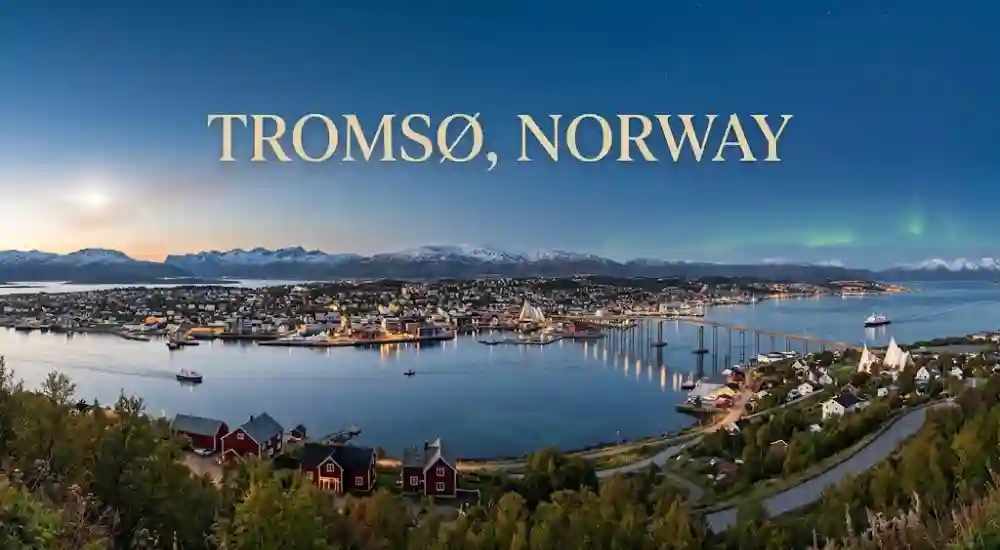
Tromsø remains one of the most popular choices for travelers searching for Northern Lights in Norway. Its location in northern Norway gives visitors good access to the auroral zone, while its airport, hotels, restaurants, and tour operators make planning simple. Travelers can join Northern Lights tours from Tromsø, rent a car, or explore nearby viewing areas with local guidance.
The city also offers dog sledding, snowmobiling, fjord trips, and Arctic cultural experiences. Visit between September and March for long, dark nights and strong viewing opportunities. Tromsø works particularly well for first-time Northern Lights travelers who want a balance of convenience, activities, and aurora chasing.
Lofoten Islands, Norway
The Lofoten Islands offer one of the most beautiful settings for viewing the Northern Lights. Here, the aurora can appear above sharp mountains, fishing villages, beaches, and Arctic waters. That combination makes Northern Lights Lofoten especially attractive to photographers and travelers who want more than a simple sky show.
Places around Ballstad and Hamoy can provide memorable viewing opportunities when skies remain clear and darkness settles in. A rental car gives you greater freedom to move away from clouds and city lights. Lofoten works best for travelers who enjoy scenic road trips and photography. However, coastal weather can change quickly, so checking local cloud forecasts remains essential.
Abisko, Sweden
Abisko has earned a strong reputation among people looking for Northern Lights in Sweden because its local weather conditions can sometimes provide clearer skies than nearby areas. The destination sits within the auroral zone and offers dark surroundings with very little light pollution. These conditions make Abisko Northern Lights trips especially appealing to serious aurora watchers.
Visitors can also experience winter landscapes, skiing, hiking, and the Aurora Sky Station. The main viewing season generally runs from September through March, although exact conditions vary. Abisko suits travelers who care more about viewing conditions than city entertainment. Its smaller size also creates a quieter experience than larger Arctic destinations such as Tromsø.
Kiruna, Sweden
Kiruna combines Northern Lights viewing with some of Sweden’s most unusual Arctic experiences. Travelers can visit the famous ICEHOTEL, explore snowy landscapes, enjoy dog sledding, and search for the aurora away from bright urban areas. Its location in Swedish Lapland provides long winter nights and good opportunities for Aurora Borealis viewing.
Kiruna works well for travelers who want a mix of natural scenery and planned winter activities. You can arrange guided aurora tours or explore nearby areas independently when conditions allow. Visit during the darker months from autumn through early spring. If you want a Northern Lights trip that feels like a complete Arctic holiday rather than a single-purpose chase, Kiruna is a strong option.
Finnish Lapland
Finnish Lapland is one of the most popular Northern Lights destinations for families, couples, and luxury travelers. Areas around Rovaniemi, Saariselkä, and other northern communities combine dark winter skies with comfortable resorts and memorable Arctic activities. Travelers can stay in glass igloos, enjoy reindeer rides, try dog sledding, and visit snow-covered forests.
The region also makes a good choice for people who want a comfortable Northern Lights holiday rather than a rugged expedition. Northern Lights in Finland are not guaranteed, so spending several nights gives you more opportunities. Finnish Lapland is especially appealing if you want to combine aurora viewing with family attractions, romantic accommodation, saunas, and other winter experiences.
Iceland
Iceland offers a different kind of Northern Lights experience because you can combine the aurora with waterfalls, glaciers, volcanoes, black-sand beaches, and dramatic coastal landscapes. Travelers can search for the Northern Lights in Iceland around Reykjavík or take a road trip into darker areas.
Locations such as Jökulsárlón, Diamond Beach, Vík, and the South Coast provide striking foregrounds for aurora photography. However, Iceland’s changing weather can create cloud cover, so flexibility matters. Visit between September and April, when darkness gives you enough viewing hours. Iceland works especially well for photographers, couples, and independent travelers who want an entire scenic adventure alongside their Aurora Borealis search.
Fairbanks, Alaska
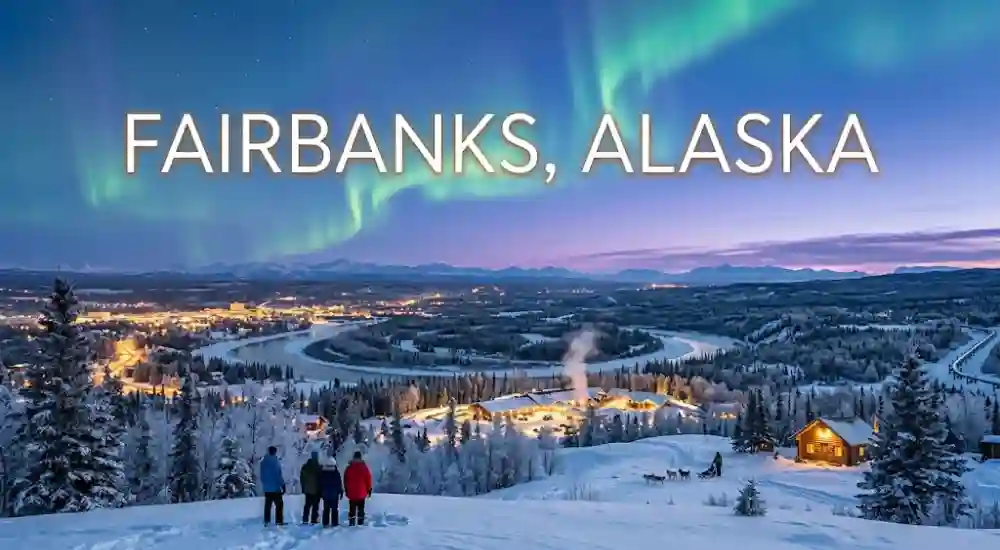
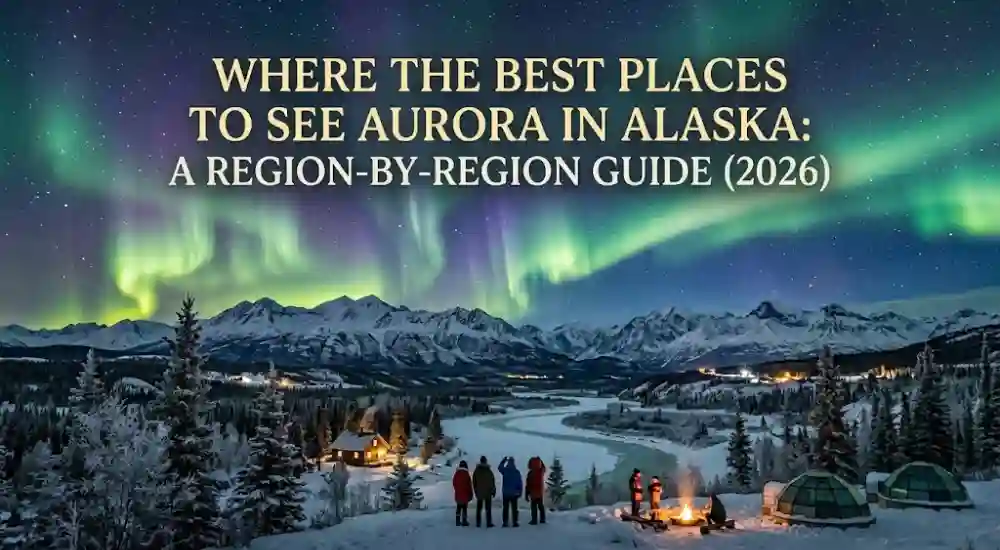
Fairbanks is one of the strongest answers for travelers asking where to see the Northern Lights in the USA. Its northern location places it beneath the auroral oval, while local businesses offer tours, viewing lodges, and winter activities. The city also gives North American travelers a practical alternative to traveling overseas.
The main viewing season generally stretches from late August into April, although darkness and weather conditions vary throughout the period. Travelers can join guided aurora tours or drive to darker areas. Fairbanks also offers hot springs, wildlife experiences, and winter adventures. If you want strong aurora opportunities without leaving North America, Fairbanks Northern Lights trips deserve serious consideration.
Yellowknife, Canada
Yellowknife stands out among Northern Lights Canada destinations because of its northern location, dark surroundings, and established aurora tourism. The city sits in Canada’s Northwest Territories and offers guided viewing experiences designed around the local night sky. Clear conditions can create excellent opportunities for long aurora displays.
The season usually extends from late summer into spring, giving travelers a broad window for planning. Yellowknife suits visitors who prioritize dark skies and viewing conditions over major tourist attractions. It also works well for North American travelers who want a dedicated aurora trip. As always, check weather and cloud forecasts before heading outside because even strong auroral activity cannot overcome heavy cloud cover.
Churchill and Other Northern Canada Destinations
Canada offers more than Yellowknife for travelers interested in the Aurora Borealis. Yukon, Whitehorse, and the Northwest Territories provide other northern viewing opportunities, while Churchill offers a distinctive Arctic setting. These areas combine dark skies with wilderness experiences that can make the journey memorable even when aurora conditions disappoint.
Canadian destinations can also work well for travelers who want fewer crowds and a stronger connection with nature. Before choosing one, compare flight access, accommodation, local transportation, tour availability, and seasonal weather. The best destination depends on whether you prioritize easy access, remote landscapes, wildlife, or dedicated Northern Lights viewing.
Greenland
Greenland provides a more remote alternative for travelers searching for Northern Lights in Greenland. Towns such as Ilulissat offer dark skies, dramatic Arctic landscapes, and very little artificial light. The aurora can appear above icebergs and frozen scenery, creating a setting that feels completely different from a city-based Northern Lights trip.
The biggest drawback is accessibility. Flights and accommodation can cost more, and transportation between communities may require careful planning. Greenland therefore suits adventurous travelers who value remoteness and unique scenery. If you want a quiet Arctic experience away from major tourism centers, Greenland can offer something special, but you should build extra flexibility into your itinerary.
Svalbard, Norway
Svalbard offers one of the most unusual ways to experience the Northern Lights in Norway. The archipelago reaches far into the Arctic and experiences an extended period of darkness during polar night. Longyearbyen provides a base for exploring this remote environment and searching for the aurora.
The experience differs from a standard Northern Lights holiday because travelers also encounter Arctic wilderness, snow-covered landscapes, and a strong sense of remoteness. Svalbard generally costs more and requires more planning than Tromsø. It works best for experienced travelers who want an extreme Arctic experience rather than the easiest possible aurora trip.
Scotland and Other Lower-Latitude Options
You do not always need to travel deep into the Arctic to see the Northern Lights. Strong geomagnetic storms can sometimes make aurora displays visible farther south, including parts of Scotland, Ireland, and northern England. However, these locations should not replace traditional Arctic destinations if seeing the aurora is your main goal.
Lower-latitude viewing remains less predictable because you need stronger geomagnetic activity. Dark skies and clear weather also matter. Scotland can therefore work as an opportunity destination for travelers already visiting the UK. It offers a useful reminder that the aurora can sometimes reach much farther south than its usual viewing zone.
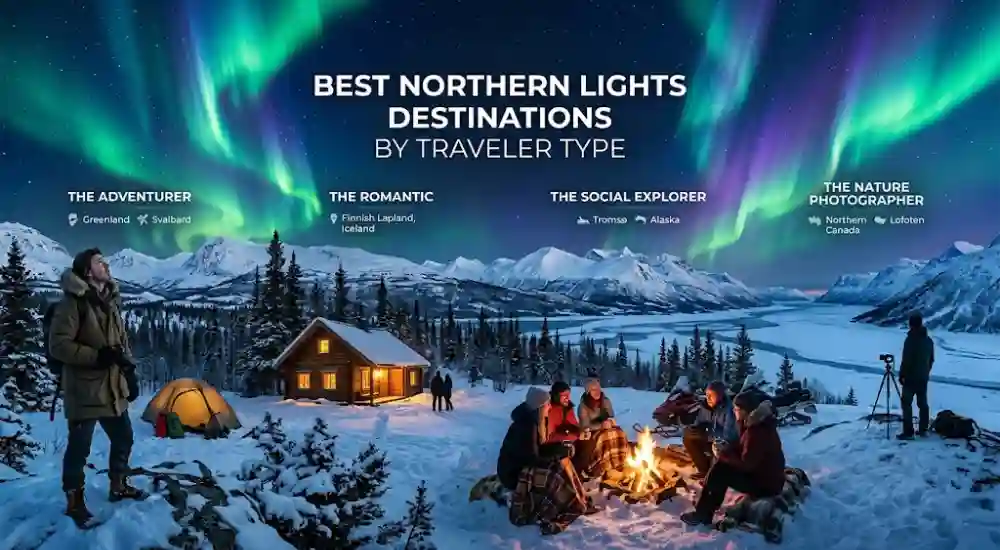
Best Northern Lights Destinations by Traveler Type
Different travelers need different things from a Northern Lights trip. A destination that works perfectly for a photographer may not suit a family with young children. Choosing based on your travel style can make the experience easier and more enjoyable.
Best for First-Time Visitors
Tromsø is one of the easiest choices for first-time travelers because it combines strong aurora opportunities with good transportation, accommodation, restaurants, and guided tours.
Best for Families
Finnish Lapland stands out because families can combine aurora viewing with Santa-themed attractions, reindeer rides, snow activities, and comfortable resorts.
Best for Couples
Iceland and Finnish Lapland offer romantic scenery and distinctive accommodation, while Tromsø provides convenient access to Arctic activities.
Best for Photographers
Lofoten and Iceland offer dramatic foregrounds, mountains, beaches, ice, and villages that can make Aurora Borealis photographs much more interesting.
Best for Luxury Travelers
Finnish Lapland offers glass igloos, premium resorts, private experiences, and comfortable ways to enjoy the Arctic.
Best for Budget Travelers
Look beyond the most famous resorts and compare Scotland, northern Canada, Alaska, and less expensive Nordic accommodation. Traveling outside peak periods can also reduce costs.
Best Without a Car
Tromsø works especially well because travelers can join organized Northern Lights tours without driving long distances themselves.
Best for Road Trips
Iceland and Lofoten offer some of the strongest combinations of scenic driving and aurora opportunities, although winter road conditions require caution.
Best Northern Lights Destinations by Month
The best Northern Lights season generally runs from late August or September through March or April, depending on location. Each month offers different tradeoffs.
September
September brings longer nights and can provide good opportunities around the September equinox, while autumn conditions may remain milder than deep winter.
October and November
These months offer increasing darkness and strong viewing opportunities. They can suit travelers who want a balance between aurora viewing and somewhat manageable winter conditions.
December to February
These are popular months because of long nights and classic Arctic scenery. However, temperatures can become extremely cold, especially in Alaska, Canada, and inland Scandinavia.
March and April
March offers long dark evenings and can be a particularly attractive month around the equinox. By April, increasing daylight gradually reduces viewing opportunities.
Best Time of Year to See the Northern Lights
The best time to see the Northern Lights depends on darkness, cloud cover, location, and solar activity. Many travelers choose September through March because these months provide long periods of darkness. The equinox periods in September and March can also bring favorable auroral activity.
However, there is no single perfect month for every destination. Winter often provides more darkness, but it can also bring harsher weather. Autumn and early spring may offer a better balance. Always check local weather, cloud forecasts, and aurora conditions instead of relying only on the calendar.
How the Northern Lights Work
The Aurora Borealis occurs when charged particles from the Sun interact with gases in Earth’s atmosphere. Solar wind carries these particles toward Earth, while our magnetic field guides many of them toward the polar regions. When the particles collide with atmospheric gases, they release energy as colorful light.
Green remains the most common aurora color, but strong displays can also show red, purple, pink, and blue shades. The auroral oval explains why northern regions such as Norway, Sweden, Finland, Alaska, and Canada provide frequent viewing opportunities.
What Actually Determines Your Chance of Seeing the Aurora?
Several conditions must come together before you can see the Northern Lights. Auroral activity needs to be strong enough, your location needs to fall under or near the auroral oval, and the sky must remain dark and reasonably clear.
Cloud cover often creates the biggest problem because thick clouds can completely hide an active aurora. Light pollution also reduces visibility. Your chances improve when you stay away from bright cities, remain flexible, and spend several nights at your destination. This is why the “best place” depends on more than latitude or a single aurora forecast.
Why Clear Skies Can Matter More Than Latitude
Travelers often assume that going farther north automatically means better Northern Lights viewing. In reality, clear skies can matter just as much as location. A powerful aurora display remains invisible if thick clouds cover the entire sky.
This explains why destinations such as Abisko attract serious aurora watchers. Its local weather patterns can sometimes create clearer viewing conditions than nearby areas. When choosing between destinations, compare auroral position, cloud cover, darkness, and light pollution together. A slightly less northern destination with clear skies can sometimes provide a better real-world viewing opportunity than a more northern location under heavy cloud.
How Many Nights Should You Stay?
A one-night Northern Lights trip is a gamble. Even the best Northern Lights destination can experience clouds or weak auroral activity on the exact night you visit. Staying for at least three nights gives you several opportunities to work around changing conditions.
If your budget allows, four or five nights provide even more flexibility. You can use weather and aurora forecasts to choose the best evening rather than relying on a single fixed date. For expensive Arctic trips, adding extra nights can often be more valuable than paying for a premium hotel for only one night.
Should You Join a Northern Lights Tour?
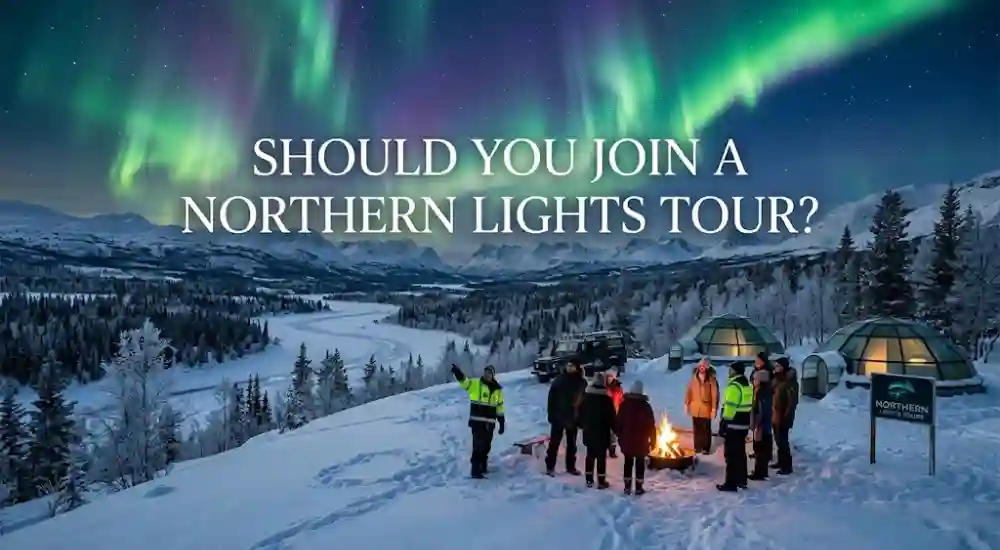
A guided Northern Lights tour can make sense when you visit an unfamiliar destination. Local guides understand nearby roads, viewing areas, weather patterns, and cloud movement. Many operators also use forecasts to decide where to travel each evening.
Independent viewing can work well if you rent a car and feel comfortable driving in winter conditions. It gives you greater freedom and can reduce tour costs. However, driving on icy roads at night can create serious challenges. For first-time visitors, a guided tour offers convenience and local knowledge, while independent travel suits confident travelers who want more control.
Northern Lights Forecast: What Should You Check?
Do not rely on the Kp index alone. A useful Northern Lights forecast should include auroral activity, cloud cover, solar wind, geomagnetic conditions, and local weather. You also need to consider darkness and your exact location.
A high Kp value can suggest strong activity, but it does not guarantee visibility at your destination. Thick clouds can block even a powerful aurora. Check conditions shortly before going outside and compare an aurora forecast with a local cloud forecast. This simple approach gives you a much better idea of whether it is worth heading out.
Can You See the Northern Lights During a Full Moon?
Yes, you can still see the Northern Lights during a full moon. Moonlight does not stop the aurora from appearing. However, bright moonlight can make weaker displays harder to see, especially when you photograph the sky.
A full moon can also help illuminate the surrounding landscape, which some photographers actually prefer. If your main goal is seeing faint auroral details, darker skies usually provide an advantage. If you want dramatic photographs with mountains, snow, forests, or buildings visible in the foreground, some moonlight can create an attractive balance.
Can You See the Northern Lights Through Clouds?
Thick clouds usually prevent you from seeing the Northern Lights. The aurora can occur above the clouds, but the cloud layer blocks your view from the ground. Thin breaks may sometimes allow brief glimpses, but you should never rely on them.
This makes cloud cover one of the most important factors when choosing where to see the Northern Lights. Follow local cloud forecasts and stay mobile when possible. Aurora-chasing tours can help because guides may drive toward clearer areas. If you plan to stay in one place, choose a destination with a strong reputation for favorable viewing weather.
Best Places to Stay for Northern Lights
Your accommodation can become part of the experience. Glass igloos in Finnish Lapland, Arctic cabins, remote lodges, and ice hotels offer memorable ways to spend a Northern Lights trip. Some properties also provide aurora alarms so guests can receive alerts when activity appears.
For the best viewing opportunities, prioritize accommodation away from strong light pollution or choose a property with easy access to dark areas. You do not necessarily need an expensive aurora hotel, though. A simple cabin outside a city can work extremely well if it gives you a clear view of the northern sky.
Northern Lights Photography Tips
You do not need professional equipment to photograph the Aurora Borealis, but a tripod and manual camera controls can make a major difference. Use a wide lens, focus manually on distant objects, and experiment with ISO, aperture, and shutter speed based on the aurora’s brightness.
A smartphone can also capture bright displays, especially newer models with dedicated night modes. Keep spare batteries warm because Arctic temperatures can reduce battery life quickly. For memorable images, include a foreground such as mountains, ice, trees, buildings, or water. Lofoten and Iceland are particularly strong choices for combining aurora and landscape photography.
What to Wear for a Northern Lights Trip
Standing outside waiting for an aurora can become uncomfortable quickly, especially in Norway, Sweden, Finland, Alaska, and Canada during midwinter. Dress in several layers instead of relying on one thick jacket. Start with thermal base layers, add insulation, and finish with a windproof and waterproof outer layer.
Warm boots, thick socks, gloves, a hat, and hand warmers can make a major difference. If you plan to photograph the Northern Lights, choose gloves that allow you to operate your camera without exposing your hands for long. Staying warm helps you remain outside longer when the aurora finally appears.
How to Plan a Northern Lights Trip
Start by choosing a destination based on your priorities rather than simply picking the most famous location. Then select a month with enough darkness, book accommodation for several nights, and arrange transportation before winter conditions become a concern.
Reserve a Northern Lights tour if you want local guidance, and monitor both aurora and cloud forecasts during your stay. Pack suitable winter clothing and keep your evenings flexible. Most importantly, plan backup activities. A good Northern Lights trip should still feel worthwhile if clouds prevent a sighting. This approach reduces disappointment and gives you a much better overall Arctic holiday.
Common Northern Lights Mistakes to Avoid
One of the biggest mistakes is visiting for only one night. Weather and auroral activity can change quickly, so a short stay gives you very little flexibility. Another mistake involves choosing a destination only because it sits far north.
Travelers should also avoid relying entirely on the Kp index, staying under city lights, ignoring cloud forecasts, or assuming a tour guarantees an aurora. Wearing unsuitable clothing can also ruin the experience. Finally, do not forget to plan daytime activities. Since the Northern Lights are never certain, your destination should offer plenty to enjoy between viewing attempts.
What to Do If You Don’t See the Northern Lights
The Northern Lights are a natural event, so even careful planning cannot guarantee a sighting. If clouds or weak activity prevent you from seeing them, use the trip to explore the destination itself. Tromsø offers fjords and Arctic activities, Finnish Lapland provides reindeer rides and winter experiences, while Iceland has waterfalls, glaciers, beaches, and volcanic landscapes.
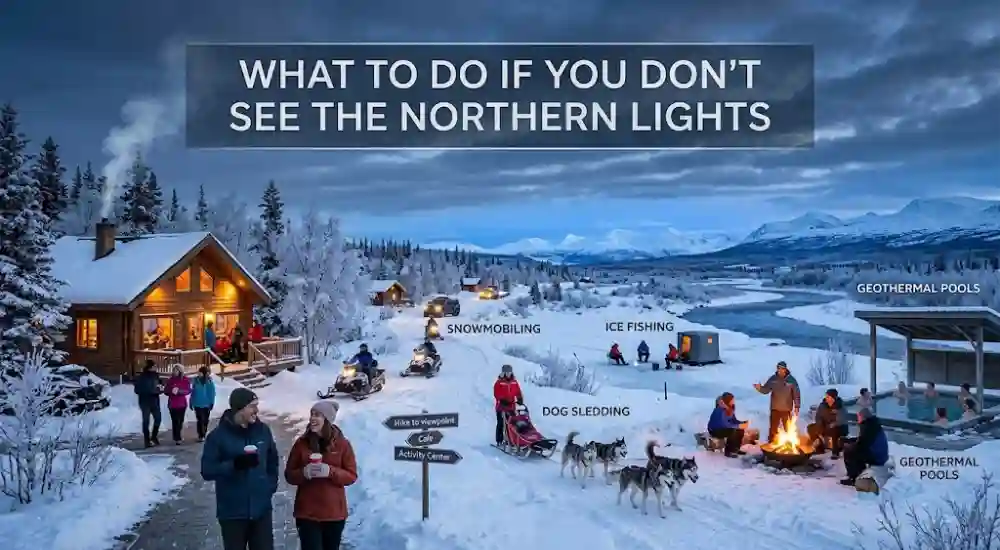
You can also try dog sledding, snowmobiling, wildlife tours, cultural experiences, saunas, or scenic excursions. Planning these activities protects your trip from becoming a disappointment. The best Northern Lights destination should offer a memorable holiday even when the sky stays dark.
Frequently Asked Questions About the Northern Lights
Where Is the Best Place to See the Northern Lights?
Tromsø, Norway is one of the best all-around choices because it combines a strong northern location with easy access, tours, accommodation, and other Arctic activities. However, Abisko, Finnish Lapland, Fairbanks, Iceland, and Yellowknife may suit different travelers better.
What Country Has the Best Northern Lights?
There is no single country that always offers the best Northern Lights. Norway, Sweden, Finland, Iceland, Canada, and the United States all provide excellent opportunities. Your choice should depend on weather, darkness, accessibility, budget, and the experience you want.
What Month Is Best for the Northern Lights?
September through March generally provides strong opportunities because nights are long enough for viewing. September and March can also offer favorable conditions around the equinoxes. However, local weather and cloud cover matter just as much as the month.
How Many Nights Do You Need?
Try to stay for at least three nights. A longer stay gives you more chances to work around clouds, weak auroral activity, or poor weather. Four or five nights can be even better if seeing the Northern Lights is the main purpose of your trip.
Are the Northern Lights Guaranteed?
No. No destination can guarantee the Northern Lights. Solar activity, cloud cover, darkness, and local weather all influence visibility. Even the best Northern Lights destinations can experience nights without a visible aurora.
Can You See the Northern Lights Without a Tour?
Yes. You can see the aurora independently if you choose a dark location and monitor local conditions. However, guided tours can help travelers find clearer skies and avoid difficult winter driving, making them useful for first-time visitors.
What Is the Best Destination for Photography?
Lofoten and Iceland are excellent choices because they combine the Northern Lights with dramatic landscapes. Finnish Lapland also works well for photographers who want forests, snow, cabins, and glass igloos in the foreground.
Final Verdict
The best places to see Northern Lights depend on what you want from the trip. Choose Tromsø for an easy first-time experience, Abisko for favorable viewing conditions, Finnish Lapland for families and luxury, Iceland for landscapes and road trips, Lofoten for photography, Fairbanks for North American access, and Yellowknife for dark-sky viewing.
For a remote Arctic adventure, consider Greenland or Svalbard. Whatever destination you choose, stay several nights, monitor both aurora and cloud forecasts, and avoid treating the Kp index as a guarantee. The smartest Northern Lights trip combines good viewing conditions with a destination you will enjoy even when the aurora does not appear.