
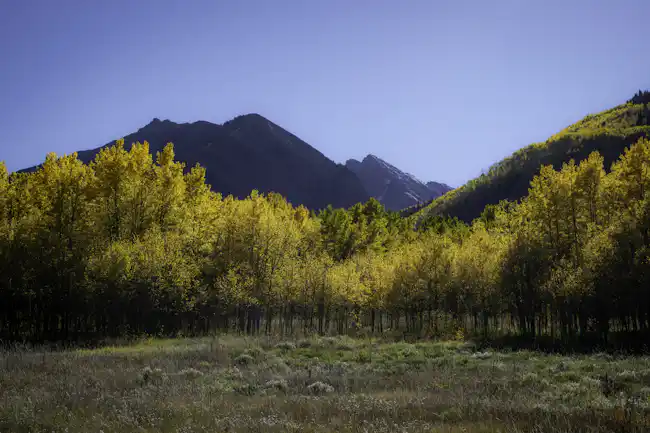
If you’re trying to figure out the best time to visit Colorado, the honest answer is that it depends on which Colorado you’re picturing. Ski towns like Aspen and Breckenridge peak in January and February. Denver and the Front Range are most pleasant in late spring and early fall. Rocky Mountain National Park and the high alpine trails are only fully accessible from July through September. Colorado isn’t a single-season destination — it’s several different trips depending on when you go.
This guide breaks down what to expect month by month, so you can match your trip to what you actually want to do. You’ll find weather patterns, ski season and fall foliage timing, Rocky Mountain National Park’s reservation system, budget and crowd guidance, and the mistakes that trip up first-time visitors. Prices, permit rules, and opening dates mentioned below can shift year to year, so double-check anything time-sensitive before you book.
Quick Answer
June through September is the best overall window for most first-time visitors — trails are snow-free, mountain towns are fully open, and Rocky Mountain National Park is accessible (though it requires a timed-entry reservation in summer). If skiing is the priority, December through March delivers the most reliable snow, with January and February typically the deepest. If you want fewer crowds and lower prices while still getting good weather, aim for late May or the last two weeks of September.
TL;DR
- Best for hiking and national parks: June–September, though July and August bring afternoon thunderstorms at elevation
- Best for skiing: December–March, with January and February the most reliable for snow
- Best for fall colors: Mid-September through the first week of October in the high country
- Best for lower prices and fewer crowds: May and late September through early November
- Rocky Mountain National Park requires a timed-entry reservation roughly late May through mid-October
- Denver is genuinely a four-season city — its own best window (mild, dry, fewer crowds) is April–May and September–October
- Mountain weather changes fast at any time of year — pack layers regardless of when you go
Colorado Weather and Seasons at a Glance
| Season | Months | Best For | Crowd Level | What to Expect |
|---|---|---|---|---|
| Spring | March–May | Wildflowers, waterfalls, shoulder-season deals | Low–Moderate | Mud season in the mountains; Denver warms up but stays unpredictable |
| Summer | June–August | Hiking, alpine lakes, road trips, Red Rocks concerts | High | Warm days, cool nights, afternoon storms common at elevation |
| Fall | September–October | Fall foliage, hiking without crowds, cooler temps | Moderate | Crisp air, early snow possible at high elevation by late October |
| Winter | November–February | Skiing, snowboarding, holiday events | High (ski towns) / Low (rest of state) | Cold, dry air statewide; heavy snow in the mountains |
Spring in Colorado (March–May)
Spring in Colorado is really two different seasons happening at once. In the mountains, March and April are still deep winter — ski resorts are often at their best snow depth of the year, and many hiking trails above 9,000 feet stay snow-covered into June. Down in Denver and along the Front Range, spring brings warmer days, blooming trees, and the state’s wettest stretch, since Denver’s wettest month is typically May, with afternoon thunderstorms becoming common.
Spring is a smart choice if you want lower lodging rates and thinner crowds and don’t mind unpredictable weather. It’s a weak choice if your main goal is high-country hiking, since many trailheads above treeline are still snowbound. Late May is the sweet spot: ski season is winding down (some resorts stay open into April, a few high-elevation areas longer), Front Range temperatures are comfortable, and Memorial Day weekend marks the unofficial start of the busier summer season — so book that specific weekend early if you’re traveling around it.
Summer in Colorado (June–August)
Summer is Colorado’s most popular season, and for good reason. This is when Trail Ridge Road, the highest paved through-road in the National Park System, is fully open, when alpine lakes are accessible without snowshoes, and when mountain towns run at full capacity with festivals, farmers markets, and outdoor concerts. June through September is generally the best window for hiking, rafting, mountain biking, and scenic drives, since trails, high passes, and lake access are most reliable during these months.
The trade-off is weather and crowds. Afternoon thunderstorms are a near-daily occurrence at higher elevations in July and August, typically building by early afternoon — which is why experienced hikers start early and aim to be below treeline by noon on exposed routes. Popular trailheads, national park entrances, and mountain town parking fill up fast, and lodging prices peak alongside the crowds. If you’re set on a summer trip, book accommodations and any required park reservations well in advance, and build weather flexibility into your itinerary.
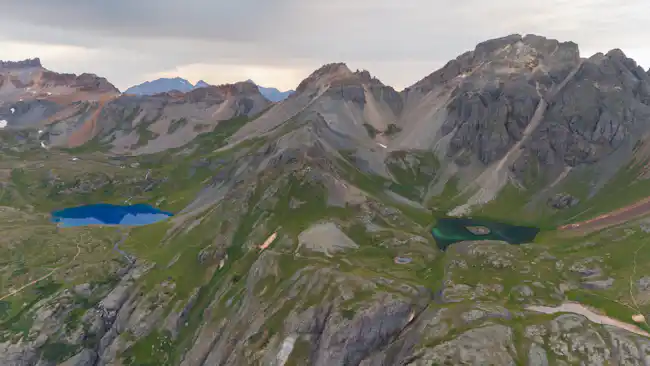
Fall in Colorado (September–October)
Fall is arguably Colorado’s most underrated season. September brings cooler nights, crisp air, and some of the state’s best conditions for hiking, since summer crowds thin out while trails remain largely accessible. It’s also dry, which cuts down on flooded paths or ice-related hazards compared to spring. October adds the bonus of golden aspen groves, with peak fall foliage typically running from mid-September through mid-October depending on elevation and location — higher elevations turn first, working down toward the valleys as the season progresses.
By late October, snow can start arriving at higher elevations, so pack layers if you’re traveling toward the end of the month. Early November, before Thanksgiving, is one of Colorado’s quietest travel windows — ski season hasn’t started yet, summer crowds are long gone, and prices sit near their yearly low. If solitude and value matter more to you than having every trail and resort fully open, this narrow window is worth considering.
Winter in Colorado (November–February)
Winter splits Colorado into two very different experiences. In the mountain resort towns, winter is peak season — lift lines, packed restaurants, and premium lodging rates from late December through early March. Everywhere else in the state, winter is one of the quietest times to visit, with cold, dry conditions and dramatically thinner crowds at museums, breweries, and Front Range attractions.
January and February are generally the most reliable months for snow depth and classic winter conditions in the high country, making them the strongest pick for committed skiers and snowboarders. If you’re visiting Colorado in winter without skiing as the goal, expect bitterly cold stretches with occasional heavy snowstorms, balanced by plenty of bluebird days with clear skies. Holiday weeks (Thanksgiving through New Year’s) bring the sharpest spikes in both crowds and prices at ski resorts, so January (after New Year’s) and early February on non-holiday weeks tend to offer a calmer, slightly cheaper version of peak winter.
Best Time to Visit for Skiing and Snowboarding
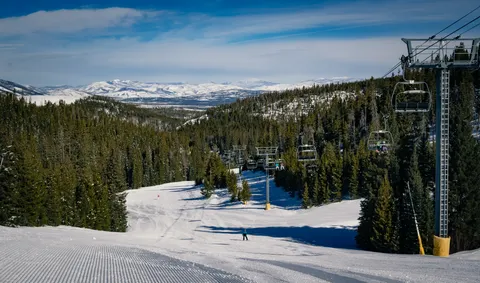
Colorado’s ski season generally runs from late October through early April, though exact dates vary by resort and depend on snowfall. Recent seasons have seen early openers like Arapahoe Basin and Keystone target late October, with most major resorts — Breckenridge, Copper Mountain, Vail, Aspen Snowmass, Steamboat, and Telluride — opening between mid-November and early December. Closing dates stretch into April at many resorts, with Arapahoe Basin often the last to close, sometimes into June on a limited basis.
| Priority | Best Months | Why |
|---|---|---|
| Deepest, most reliable snow | January–February | Peak snowpack and consistent cold |
| Fewer lift lines, decent snow | Early–mid December, March | Snow is established but crowds are lighter |
| Spring skiing / warmer days on the mountain | Late March–April | Longer days, softer snow, still-open terrain at higher resorts |
| Budget ski trip | Early season (Nov–early Dec) | Lower lodging rates, though terrain and snow coverage are limited |
Opening and closing dates are announced by each resort and shift with conditions, so check current dates directly with the resort before booking non-refundable travel.
Best Time to Visit Rocky Mountain National Park
Timing matters more here than almost anywhere else in the state, because Rocky Mountain National Park runs a timed-entry reservation system during its busiest months. For the 2026 season, reservations are required beginning May 22 through mid-October, with two permit types: a standard Timed Entry permit (9 a.m.–2 p.m.) covering most of the park, and a Timed Entry + Bear Lake Road permit (5 a.m.–6 p.m.) required for the popular Bear Lake corridor, including trailheads like Dream Lake, Emerald Lake, and Alberta Falls. Reservations are booked through Recreation.gov on a rolling monthly release schedule — for example, May reservations open May 1, June reservations open June 1, and so on — and cost a small non-refundable processing fee separate from the park entrance fee. Full permit details are available on the official NPS timed entry page.
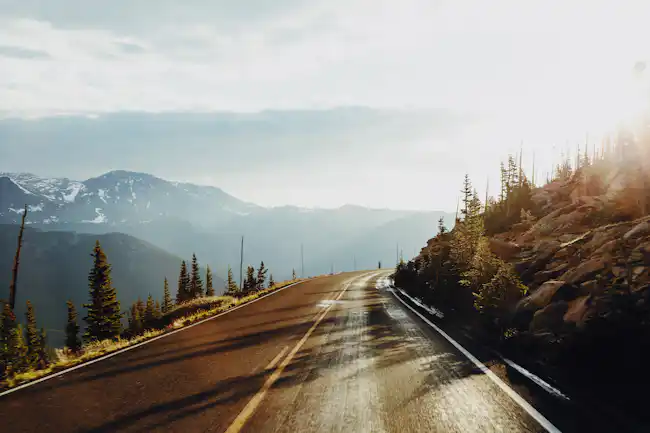
If you want to skip the reservation system entirely, visit before May 22 or after the mid-October cutoff, keeping in mind that Trail Ridge Road (the park’s iconic high-elevation drive) is typically only fully open late May or June through mid-October, weather permitting, and closes for the season once snow makes it impassable.
For our full breakdown of nearby lodging and day-trip logistics, see our guide to things to do near Denver, Colorado, and for how RMNP compares to other major parks, check our guide to the best national parks in the USA.
Best Time for Fall Foliage
Colorado’s aspen groves put on one of the best fall color shows in the country, and timing is elevation-dependent. High-country areas above 9,000 feet — places like Kenosha Pass, Maroon Bells near Aspen, and the drive along Independence Pass — typically peak in mid-to-late September. Lower valleys and towns follow about one to two weeks later, often peaking in early October. Weather can shift the timeline in either direction: an early hard frost can strip leaves fast, while a mild fall can stretch the color window longer.
Popular tip: because peak color moves down in elevation as the season progresses, you can chase it — starting high in mid-September and following it down to lower elevations into early October if your trip spans a couple of weeks.
Best Time to Visit Denver and the Front Range
Denver doesn’t follow the mountain calendar. As a high-plains city at about 5,280 feet, its best weather generally falls in April–May and September–October, when temperatures are mild and rain is less frequent than Denver’s wetter late-spring stretch. Summer in Denver is warm and sunny with occasional strong afternoon storms, while winter brings cold snaps but also a surprising number of clear, sunny days — Denver averages far more annual sunshine than most people expect from a city near the Rockies.
If your trip is Denver-focused rather than mountain-focused — breweries in RiNo and LoDo, museums, Red Rocks concerts, day trips into the foothills — the shoulder seasons give you the most comfortable weather with the smallest crowds and lowest hotel rates.
Best Time to Visit on a Budget
The cheapest months to visit Colorado tend to be the ones nobody’s specifically trying to catch: May, and late October through early December (excluding Thanksgiving week). In these windows, lodging rates drop from both the summer peak and the winter ski peak, flights are less competitive, and popular trails and attractions are noticeably less crowded. The trade-off is that some high-elevation trails may still be snowy in May, and ski resorts may not be fully open yet in November.
If you specifically want a ski trip on a budget, early-season December (before winter break) and non-holiday weeks in January offer noticeably lower lodging costs than the December 26–January 1 stretch or February school-break weeks.
Best Time to Avoid Crowds
Colorado’s crowd patterns mirror its price patterns closely. Summer weekends (especially July 4th and Labor Day) and the entire ski season holiday stretch (Thanksgiving through New Year’s, plus February break) are the busiest points on the calendar. For a quieter trip with good weather, target weekday visits in early-to-mid June, the last two weeks of September, or the first half of October — you’ll get functioning infrastructure (open trails, running gondolas, open restaurants) without the peak-season lines.
Best Time for Families
Families juggling school schedules are usually locked into summer (June–August) or winter break (late December), and both work well in Colorado — summer for hiking, dude ranches, and easier-access national park visits; winter for ski school programs and snow play. If your family has flexibility, early June (right after most schools let out) or late August (right before they return) avoids the deepest crowds of peak summer while keeping warm weather and full trail access. For broader trip ideas beyond Colorado, see our guide to summer travel planning.
Common Mistakes to Avoid
- Assuming a summer visit means no reservation needed at Rocky Mountain National Park. Timed entry is required roughly May 22–October, and popular time slots sell out weeks in advance.
- Underestimating altitude. Denver sits at 5,280 feet, and many mountain towns and trailheads sit well above 8,000–10,000 feet. Give yourself a day to acclimate before strenuous hikes, and drink more water than you think you need.
- Planning high-elevation hikes for early afternoon in summer. Afternoon thunderstorms are common at elevation in July and August; experienced hikers start early and aim to be off exposed ridgelines by noon.
- Visiting in May or June expecting all high-country trails to be open. Snow often lingers above 9,000–10,000 feet into June.
- Booking ski season travel without checking resort-specific opening dates. Early and late season dates are weather-dependent and vary resort to resort — confirm before locking in non-refundable plans.
- Packing for one season. Mountain weather can shift from sunny to snowing in the same afternoon, in almost any month.
Frequently Asked Questions
What is the cheapest month to visit Colorado?
May and late October through early December (excluding Thanksgiving week) generally offer the lowest lodging rates, since they fall between the summer hiking peak and the winter ski peak.
Is it better to visit Colorado in summer or fall?
Summer gives you full access to high-elevation trails and Trail Ridge Road but comes with bigger crowds and afternoon storms. Fall offers cooler, drier hiking weather, thinner crowds, and fall foliage, though some high trails may see early snow by late October.
Do you need a reservation for Rocky Mountain National Park?
Yes, during the 2026 season a timed-entry reservation is required from May 22 through mid-October (dates vary slightly by permit type). Outside that window, no reservation is needed.
What month has the best fall colors in Colorado?
Mid-to-late September typically brings peak color at higher elevations, with lower valleys following into early October.
Is Colorado worth visiting in winter if you don’t ski?
Yes. Denver and the Front Range are quiet and often sunny in winter, with lower prices and thinner crowds at museums, breweries, and attractions, even though the mountain towns stay busy with ski traffic.
When does ski season start and end in Colorado?
Most resorts open between mid-November and early December, with a few high-elevation resorts opening in late October. Closing dates typically run into April, with some resorts staying open into late spring on limited terrain.
What’s the best time to see wildlife in Colorado, like elk?
Fall (September–October) is prime elk rutting season in areas like Rocky Mountain National Park and Estes Park, when bugling elk are most active and visible.
Is Colorado’s weather really that unpredictable?
Yes, especially at elevation. It’s common for mountain towns to see sun, clouds, and a brief snow or rain shower all in the same day, regardless of season.
Final Thoughts
There’s no single best time to visit Colorado — there’s a best time for what you’re actually planning to do. Chase snow in January and February, chase wildflowers and waterfalls in late spring, chase alpine trails and Trail Ridge Road in summer, or chase golden aspens in late September. What stays constant across every season is Colorado’s fast-changing mountain weather, so pack in layers no matter when you book your trip.
If your dates are flexible, late May and late September stand out as the best all-around windows — decent weather, lower crowds, and lower prices without giving up much access to the state’s biggest draws. Whichever season you choose, confirm current trail conditions, resort opening dates, and any park reservations shortly before you travel, since all three can shift from year to year. For official trip-planning resources, the Colorado Tourism Office is a good starting point.