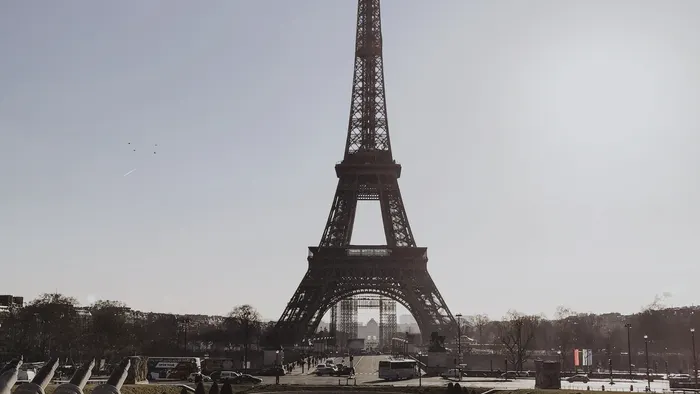
If you’re figuring out the best time to visit Paris, the shoulder seasons win on nearly every measure that matters: weather, crowds, and price. Paris is a year-round destination, but the difference between an hour-long line at the Louvre in July and a manageable wait in April is significant enough to shape your entire trip.
This guide breaks down Paris’s weather and crowd patterns month by month, covers the specific dates that spike demand, and points you toward the windows that deliver the best combination of comfort and value. Prices and event dates shift year to year, so confirm anything time-sensitive before you book.
Quick Answer
The best time to visit Paris is April to June or September to October, when temperatures sit in the comfortable mid-50s to low-70s Fahrenheit and crowds are noticeably thinner than summer. Late September and October stand out in particular, since school is back in session and the city empties out even as the weather stays pleasant. Avoid July and August if you’re heat- or crowd-averse, since temperatures can spike into the 90s and major attractions see their longest lines of the year.
TL;DR
- Best overall: April–June and September–October (shoulder seasons)
- Best single window for thin crowds: Late September through October
- Peak season: June–August, plus mid-to-late December — hottest and busiest stretches
- Cheapest and quietest: January through March, apart from a few holiday weeks
- Watch out for: May’s public holidays and Bastille Day (July 14), both crowd and price spikes
- July is Paris’s rainiest month, despite also being peak summer
- Museums are least crowded in January and February, right after the holiday rush clears
Paris Weather at a Glance
| Season | Months | Typical High | Crowds & Prices | Best For |
|---|---|---|---|---|
| Spring | Mar–May | 54–72°F (12–22°C) | Rising, spikes around May holidays | Mild walking weather, blooming parks |
| Summer | Jun–Aug | 72–82°F (22–28°C) | Highest of the year | Paris Plages, long evenings, outdoor cafes |
| Fall | Sep–Nov | 46–68°F (8–20°C) | Dropping steadily after September | Comfortable sightseeing, fewer lines |
| Winter | Dec–Feb | 39–46°F (4–8°C) | Lowest, except Christmas/New Year’s | Budget travel, quiet museums, holiday lights |
Spring in Paris (March–May)
Spring is when Paris shakes off winter and turns genuinely lovely for walking, with parks like the Jardin du Luxembourg and Tuileries coming into bloom. March starts cool and often wet, with highs in the mid-50s, warming into the comfortable high 60s to low 70s by May. May brings a cluster of French public holidays, creating several long weekends that spike both domestic travel and hotel prices, so book ahead if your dates overlap with early-to-mid May. For the best combination of spring’s mild weather and manageable crowds, target the back half of March or the first half of April.
Summer in Paris (June–August)
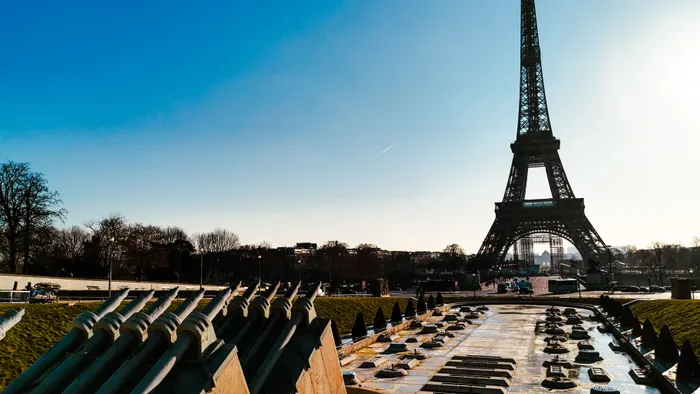
Summer is Paris’s peak season, with warm days perfect for outdoor cafe culture, picnics along the Seine, and the city’s Paris Plages program, which transforms sections of the riverbank into temporary urban beaches. Temperatures typically sit in the low-to-high 70s, though heat waves can push readings into the 90s. Bastille Day on July 14 brings fireworks and citywide celebrations, but also some of the year’s biggest crowds. Counterintuitively, July is Paris’s rainiest month, so pack a light rain layer even in peak summer. Expect the longest lines of the year at the Louvre, Eiffel Tower, and Notre-Dame, along with the highest hotel rates, particularly in July and August.
Fall in Paris (September–November)
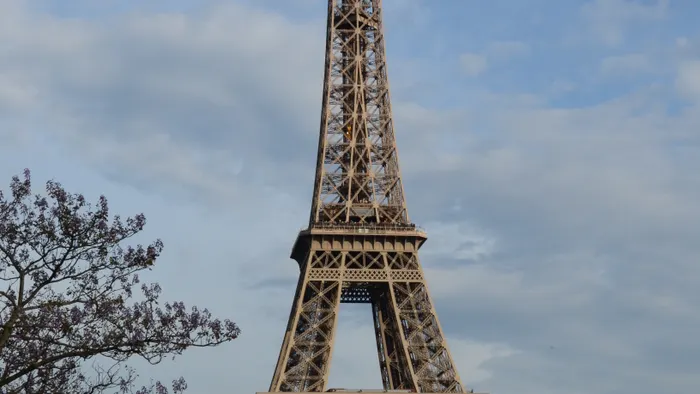
Fall is widely considered one of Paris’s best seasons. September holds onto some of summer’s warmth, with highs in the upper 60s, while crowds thin out noticeably once French schools resume and the summer tourist wave recedes. October brings crisp, comfortable weather in the low 60s and some of the year’s most pleasant sightseeing conditions, along with events like Nuit Blanche, an all-night contemporary arts festival held in early October, and the Montmartre Wine Harvest Festival. By November, temperatures drop into the 40s and 50s and rain becomes more frequent, marking the shift toward Paris’s quieter winter stretch.
Winter in Paris (December–February)
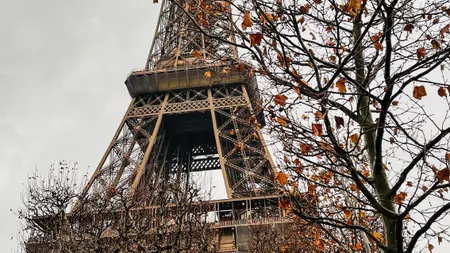
Winter is cold and often grey, with highs typically in the high 30s to mid-40s, but it’s also Paris’s quietest and cheapest season outside of specific holiday weeks. The stretch around Christmas and New Year’s brings festive markets, holiday lights along the Champs-Élysées, and ice skating near the Eiffel Tower, along with a temporary spike in visitors. Once the holiday crowds clear, January and February become excellent months for museums, with noticeably shorter lines at the Louvre and Orsay Museum, along with the lowest hotel rates of the year. Galette des rois, a puff pastry tradition celebrated around Epiphany in January, adds a small but charming seasonal ritual to a winter visit.
Best Time to Avoid Crowds
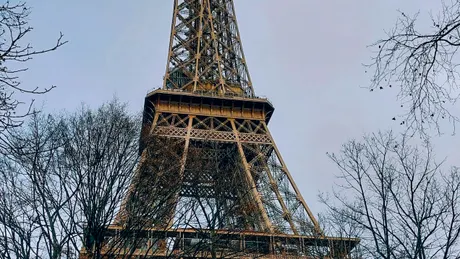
Paris’s tourist season runs long, effectively April through October, but the sharpest crowd spikes hit during summer (June–August), the May holiday weekends, and the December holiday stretch. For the shortest lines at major attractions, target January through March or the back half of October through November, once fall’s peak has passed but before the December rush begins.
Best Time for Budget Travel
Hotel rates in Paris swing significantly by season: expect premium pricing throughout summer and the December holidays, versus meaningfully lower rates in January and February, outside the New Year’s stretch. Flights follow a similar pattern. If your dates are flexible, late fall (November) and early spring (March) offer a milder-weather alternative with still-meaningful savings compared to peak season.
Common Mistakes to Avoid
- Booking May travel without checking the public holiday calendar. Several French holidays cluster in May, creating long weekends that spike both crowds and hotel prices.
- Assuming summer means no rain. July is actually Paris’s rainiest month, despite being peak tourist season.
- Skipping advance museum tickets in summer. Louvre and Orsay lines can run over an hour in July and August without pre-booked timed entry.
- Underestimating winter closures. Some smaller restaurants and shops reduce hours or close briefly in January for the post-holiday lull.
- Packing only for mild weather. Spring and fall evenings can turn cool quickly, and winter days are damp and chilly rather than dramatically cold — layers matter more than heavy coats most of the year.
Frequently Asked Questions
What is the cheapest month to visit Paris?
January and February, outside the New Year’s stretch, typically offer the lowest hotel rates and thinnest crowds of the year.
Is it better to visit Paris in spring or fall?
Both offer comparable mild weather. Spring, especially around the May holidays, tends to be busier and more expensive, while fall — particularly late September and October — offers similar temperatures with noticeably smaller crowds.
Is Paris too hot to visit in summer?
It can get genuinely warm, with highs regularly in the 70s and occasional heat waves pushing into the 90s. It’s manageable if you plan indoor activities for peak afternoon heat and take advantage of long evenings.
Does it rain a lot in Paris?
Rain is possible year-round, and July is actually the rainiest month on average, despite being peak summer. A light rain layer is worth packing regardless of season.
When are the Louvre and Eiffel Tower least crowded?
January and February offer the shortest lines, followed by late October and November. Summer and the May holiday weekends bring the longest waits.
What is Paris Plages?
Paris Plages is a summer program that transforms sections of the Seine riverbank into temporary urban beaches, complete with sand, lounge chairs, and activities, typically running from mid-July through August.
Final Thoughts
The best time to visit Paris comes down to balancing weather, crowds, and budget. For the most comfortable sightseeing with manageable crowds, book April through June or September through October, with late September and October standing out as an especially strong combination of good weather and thinning tourist numbers. If saving money matters more than warm weather, January and February deliver Paris at its quietest and most affordable, even if the skies stay grey.
Whichever season you choose, check the May holiday and Bastille Day dates before booking, since both shift the city’s rhythm significantly. For more on planning your trip, see our guides to the top tourist attractions in Paris and where to stay in Paris.