
If you’re trying to figure out where to stay in Paris, the sheer number of neighborhoods can make the decision feel harder than booking the flight. Paris is split into 20 arrondissements that spiral outward from the center, and each one has a genuinely different personality — some are built for postcard views, others for late-night wine bars, and a few are best avoided on a first visit. The right choice depends less on finding the “best” area overall and more on matching a neighborhood to how you actually want to spend your days.
This guide breaks down the arrondissements and neighborhoods that consistently work well for visitors, with honest notes on who each one suits, what a hotel typically costs there, and how far you’ll be from the sights you actually came to see. You’ll also find practical details on airport transfers, budget options, solo-travel safety, and the mistakes that trip up first-time visitors most often. Once you’ve picked your neighborhood, pair it with our guide to the top tourist attractions in Paris to start mapping out your days.
Quick Answer
For most first-time visitors, the 7th arrondissement (near the Eiffel Tower) or the 1st arrondissement (near the Louvre) are the safest, most convenient choices — both are central, walkable, and well connected by Metro. Couples and travelers who want more nightlife should look at Le Marais or Saint-Germain-des-Prés, while budget-conscious visitors do well in Montmartre or the Latin Quarter. Avoid basing yourself in the outer 19th and 20th arrondissements on a first trip.
TL;DR
- Best for first-timers: 7th arrondissement (Eiffel Tower) or 1st arrondissement (Louvre)
- Best for couples: Le Marais or Saint-Germain-des-Prés
- Best for budget travelers: Montmartre (18th) or the Latin Quarter (5th)
- Best for families: 7th arrondissement or Saint-Germain
- Getting around: The Metro is extensive; you’re rarely more than a few minutes from a station in central Paris
- Typical mid-range rate: roughly €150–€260 per night depending on the arrondissement
- Book ahead: Central hotels sell out 2–3 months in advance during spring and summer
How Paris Is Organized (Arrondissements Explained)
Paris is divided into 20 numbered districts called arrondissements, arranged in a clockwise spiral starting from the 1st in the city center. Lower numbers (1st through 8th) sit along or near the Seine and hold most of the major landmarks — the Louvre, Eiffel Tower, Notre-Dame, and the grand boulevards. The river also splits the city into the Right Bank (north, busier, more shopping and grand architecture) and the Left Bank (south, quieter and more bohemian, home to the Latin Quarter and Saint-Germain).
Most visitors never need to venture past the single-digit arrondissements plus Montmartre in the 18th. The Metro makes crossing the city fast regardless of where you stay, so don’t over-stress the decision — but picking a neighborhood that matches your priorities will still save real time and walking each day.
Where to Stay in Paris: Neighborhood Comparison
| Neighborhood | Best For | Typical Nightly Rate (mid-range) | Nearest Landmark |
|---|---|---|---|
| 7th Arrondissement | First-timers, families | €200–€240 | Eiffel Tower |
| 1st Arrondissement | Luxury, sightseeing | €240–€300 | Louvre |
| Le Marais (3rd/4th) | Couples, nightlife, LGBTQ+ travelers | €180–€220 | Notre-Dame |
| Saint-Germain (6th) | Refined, quieter stay | €220–€260 | Musée d’Orsay |
| Montmartre (18th) | Value, views, atmosphere | €130–€170 | Sacré-Cœur |
| Latin Quarter (5th) | Budget, students, history | €150–€180 | Panthéon |
| 8th Arrondissement | Shopping | €200–€240 | Champs-Élysées |
Rates fluctuate seasonally — expect the higher end of each range from May through September and around the winter holidays. Check current listings before booking, since prices shift throughout the year.
7th Arrondissement — Best for First-Timers and Families
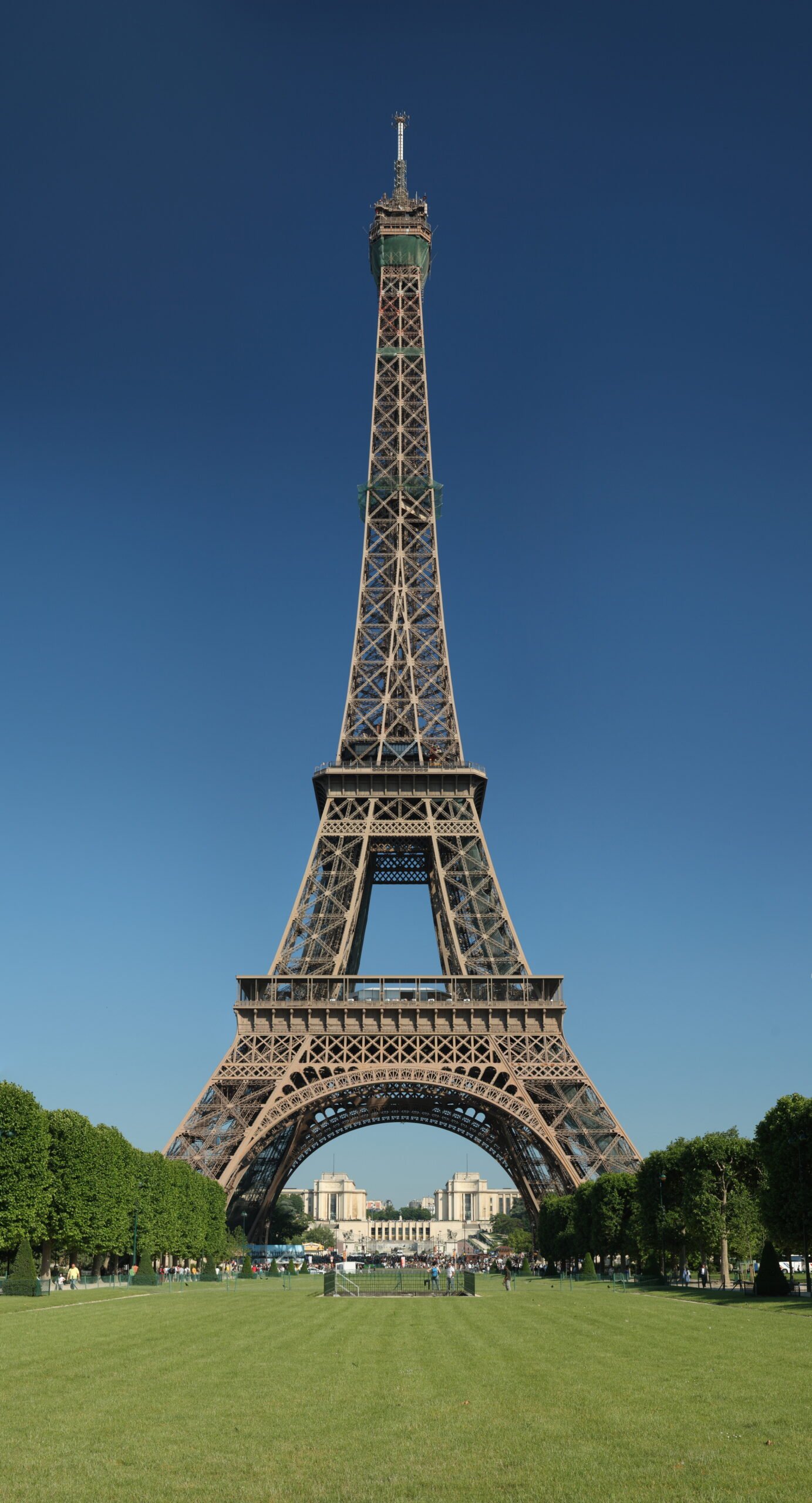
The 7th is the neighborhood most people picture when they imagine a Paris stay: wide, tree-lined boulevards, Haussmann-style apartment buildings, and the Eiffel Tower rising over the rooftops. It’s genuinely residential rather than touristy, which makes for calmer evenings than you’d get in the busier central districts.
- Why visit: Home to the Eiffel Tower, the Musée d’Orsay, and Les Invalides, with the pedestrian market street Rue Cler for daily bread, cheese, and produce shopping.
- Best for: First-time visitors, families with children, and travelers who want to wake up near the Tower without paying central-1st-arrondissement prices.
- Transportation: Metro lines 6, 8, and 13 serve the area, plus RER C for a direct run out to Versailles.
- Practical tip: Book a hotel a few blocks back from the Champ de Mars itself — rooms directly facing the Tower carry a steep premium for a view you’ll enjoy just as much from the park.
1st Arrondissement — Best for Luxury and Central Sightseeing
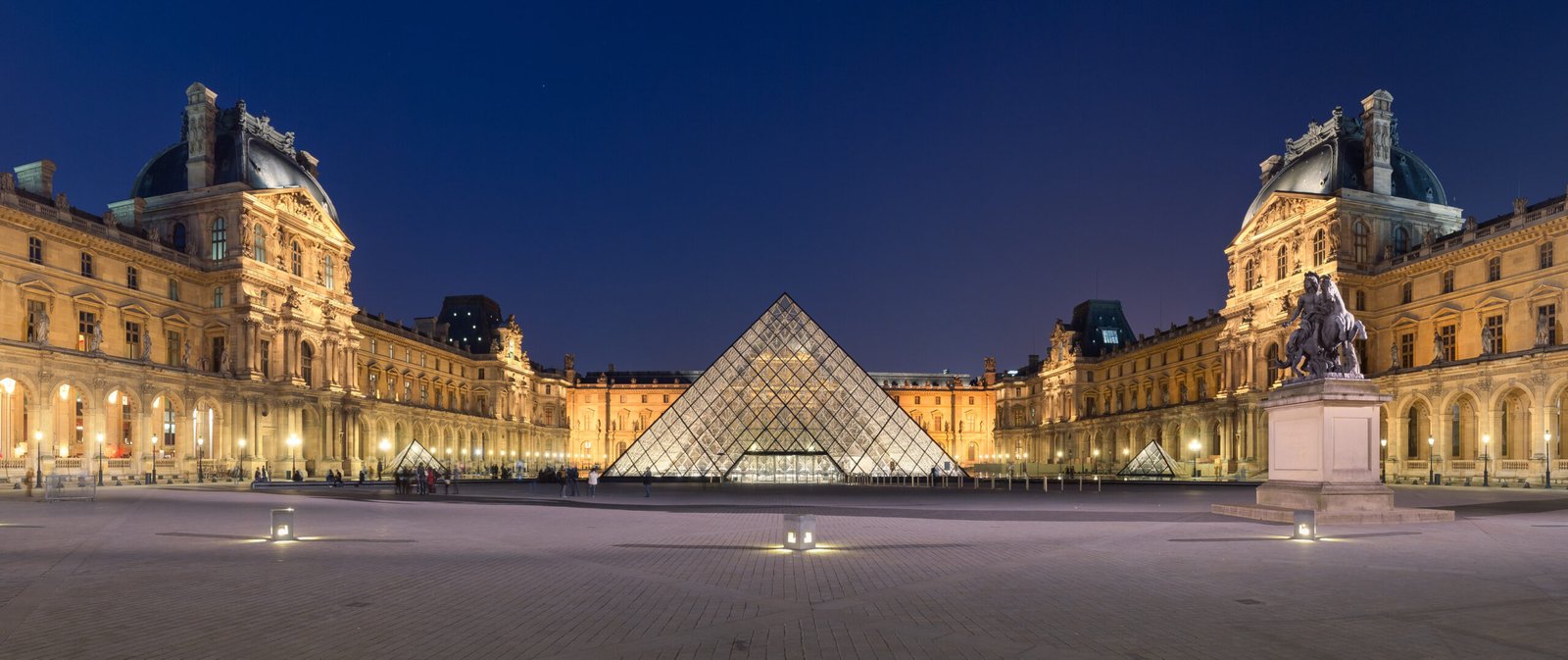
If proximity trumps everything else, the 1st is the single most central base in Paris. The Louvre, Tuileries Garden, Palais-Royal, and Île de la Cité are all within a 10 to 15-minute walk, and this is where the city’s grandest hotels have historically clustered.
- Why visit: Maximum walkability to major landmarks; elegant streets around Place Vendôme and Rue de Rivoli.
- Best for: Luxury travelers, art lovers, and anyone who wants everything within walking distance and doesn’t mind paying for it.
- Transportation: Metro lines 1, 7, and 14 all converge here, making onward trips across the city fast.
- Practical tip: This is one of the priciest arrondissements in the city — if budget matters, treat the 1st as a place to visit during the day rather than sleep at night.
Le Marais (3rd & 4th) — Best for Couples and Nightlife
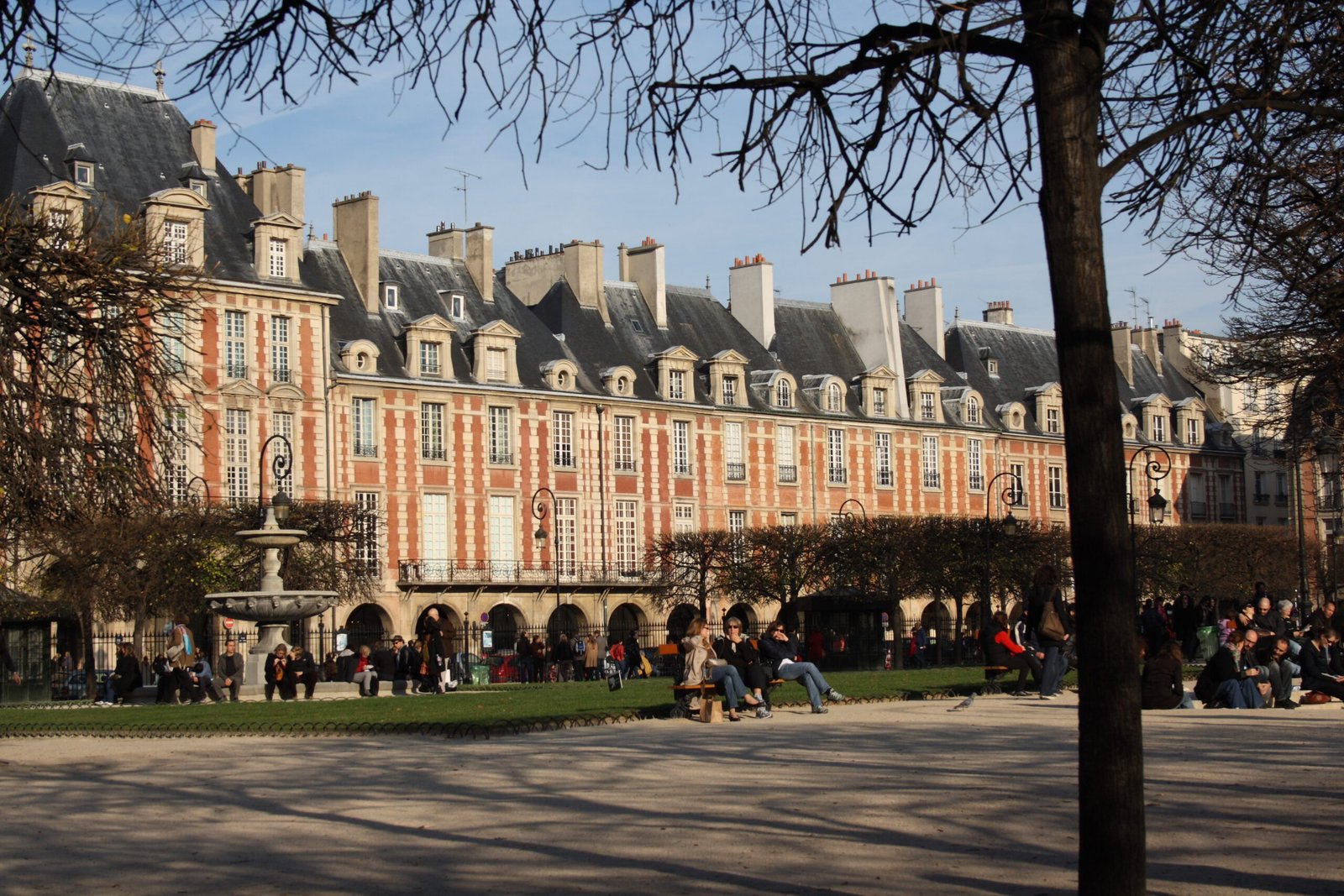
Le Marais is Paris’s most atmospheric central neighborhood: narrow medieval streets, restored 17th-century mansions, and a genuinely mixed crowd of longtime residents, the city’s LGBTQ+ community, and a dense cluster of independent boutiques and wine bars. It’s widely considered one of the safest and most walkable areas to base yourself.
- Why visit: Place des Vosges, the Picasso Museum, and easy walking access to Notre-Dame and the Seine.
- Best for: Couples, LGBTQ+ travelers, and anyone who wants a lively evening scene without leaving the historic core.
- Transportation: Metro lines 1, 8, and 11 cover the area well.
- Practical tip: Weekends get crowded, especially around Rue des Rosiers — if you want quieter mornings, look for a hotel on one of the smaller side streets rather than directly on the main shopping strip.
Saint-Germain-des-Prés (6th) — Best for a Refined, Quieter Stay
On the Left Bank, Saint-Germain trades some of the Right Bank’s bustle for literary cafés, art galleries, and a slower pace, while still sitting within easy walking distance of the Louvre and the Musée d’Orsay.
- Why visit: Historic cafés like Les Deux Magots, the Luxembourg Gardens, and some of the city’s best small art galleries.
- Best for: Couples, return visitors, and travelers who want central Paris without the loudest crowds.
- Transportation: Metro line 4 and RER B/C both run through the district.
- Practical tip: Rooms here tend to run smaller than in outer neighborhoods — if space matters, check square footage before booking, not just the star rating.
Montmartre (18th) — Best for Views, Charm, and Value
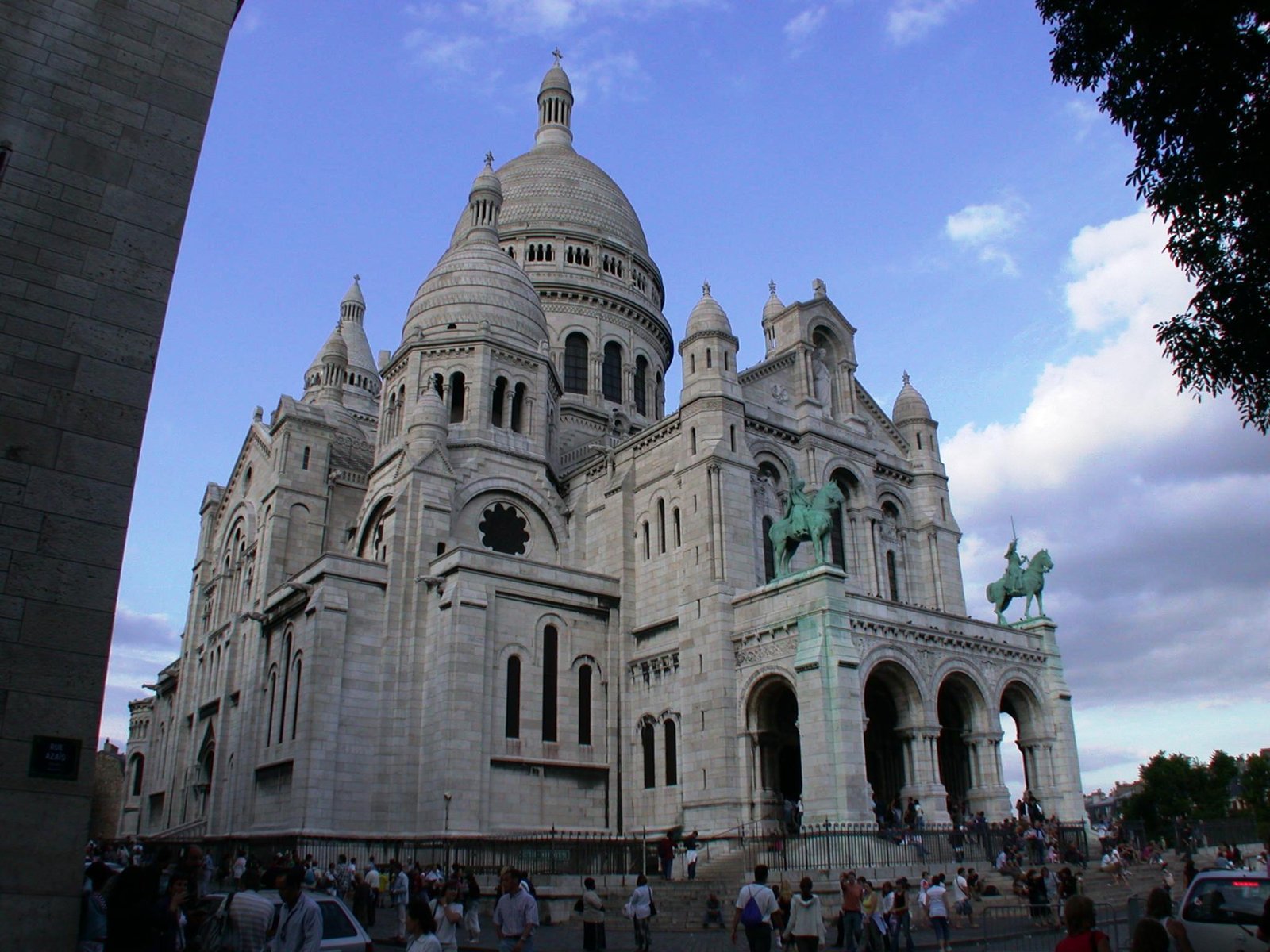
Perched on Paris’s highest hill, Montmartre keeps a village feel that’s rare this close to the center — cobblestone lanes, the white domes of Sacré-Cœur, and views over the entire city. It also tends to offer the best value among the central-ish neighborhoods.
- Why visit: Sacré-Cœur Basilica, Place du Tertre’s outdoor artists, and the streets that once inspired Renoir, Van Gogh, and Picasso.
- Best for: Budget-conscious travelers, photographers, and anyone prioritizing atmosphere over five-minute proximity to the Louvre.
- Transportation: Metro lines 2, 4, and 12; expect some uphill walking or a funicular ride from the base of the hill.
- Practical tip: Stay south of Boulevard de Clichy and away from the immediate Pigalle strip if you want a calmer, more residential stretch of the neighborhood at night.
Latin Quarter (5th) — Best for Budget-Friendly History
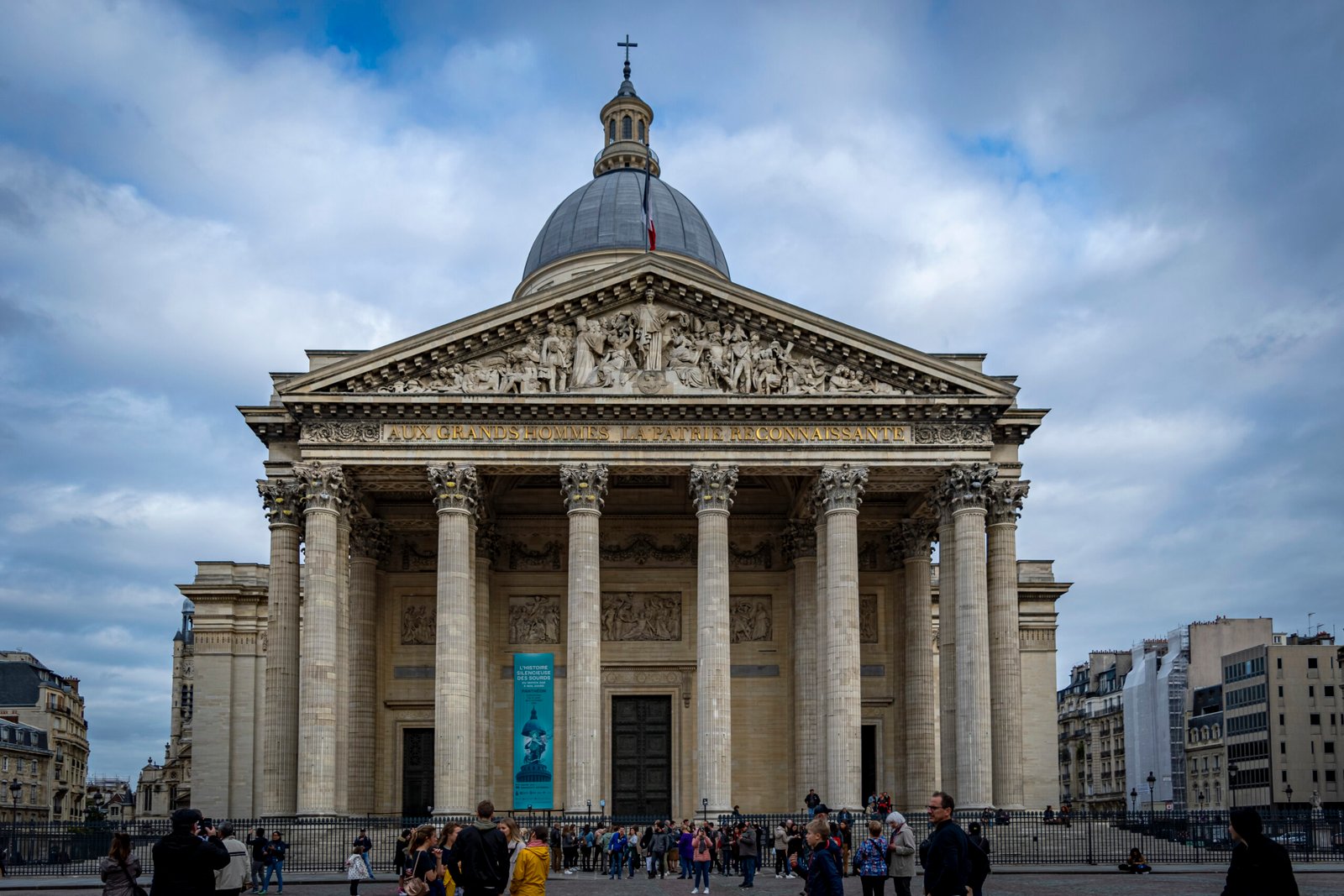
Home to the Sorbonne and centuries of student life, the Latin Quarter mixes narrow medieval streets with a genuinely lively, youthful energy and some of the most affordable central hotels in the city.
- Why visit: The Panthéon, Musée de Cluny, and the Seine-side bookstalls near Notre-Dame.
- Best for: Budget travelers, solo travelers, and anyone who wants character and walkability without Right Bank prices.
- Transportation: RER B connects directly to Charles de Gaulle Airport, which is a genuine practical advantage.
- Practical tip: Streets immediately around Rue de la Huchette are extremely tourist-dense and noisy at night — a block or two further in, prices drop and the atmosphere feels far more local.
8th Arrondissement — Best for Shopping

Anchored by the Champs-Élysées, the 8th is Paris’s showcase of grand-scale shopping, flagship stores, and wide, monumental avenues running toward the Arc de Triomphe.
- Why visit: The Champs-Élysées itself, the Arc de Triomphe, and the Golden Triangle’s luxury fashion houses.
- Best for: Shopping-focused trips and travelers who want a grand, formal Paris experience.
- Transportation: Metro line 1 runs the length of the avenue.
- Practical tip: The avenue itself can feel more like an international shopping strip than “local” Paris — pair a stay here with a day trip into Le Marais or Montmartre for contrast.
For more ideas beyond the standard landmarks, see our roundup of things to do in Paris, and if you’re planning to explore beyond the capital, our guide to the best places to visit in France covers day trips and regional add-ons.
Where to Stay on a Budget
If cost is the deciding factor, the 11th and 20th arrondissements offer some of the best value while still sitting on solid Metro connections into the center. The 11th in particular has become popular with younger travelers for its bars and restaurants around Oberkampf, without the price tag of the Marais next door. Montmartre’s outer edges and the Latin Quarter also work well for travelers who want a genuinely central location without luxury pricing.
Common mistakes budget travelers make: booking a hotel purely on price without checking its distance from a Metro station, and assuming outer arrondissements automatically mean a long commute — several, including the 11th, are only two or three stops from central sights.
Where to Stay for Solo Travelers
Solo travelers generally do best in the Marais, Saint-Germain, or the 7th, all of which stay lively and well-lit into the evening and have strong Metro access if you want to head back to your hotel without a long walk. The Latin Quarter is also a solid, affordable option thanks to its student energy and constant foot traffic. As in any major city, stick to well-lit main streets late at night and avoid poorly lit stretches near Gare du Nord and the outer edges of the 18th after dark.
Areas to Approach with Caution
Paris is generally a safe city for visitors, and no arrondissement is off-limits during the day. That said, first-time visitors are usually better off avoiding the 19th and 20th arrondissements as a home base — not because they’re dangerous, but because they sit far enough from the main sights that you’ll spend meaningful extra time commuting each day. The immediate area around Gare du Nord is also worth some added awareness at night, simply because major train stations attract more petty theft than quieter residential streets. The official Paris tourism office also publishes current visitor safety notices worth checking before you go. Conditions can change, so it’s worth checking current local advice before your trip.
Getting from the Airports to Your Neighborhood
Paris is served primarily by Charles de Gaulle (CDG), about 25 km northeast of the city, and Orly (ORY), about 13 km south. From CDG, the RER B train runs directly into central Paris (including the Latin Quarter) in roughly 45 minutes to an hour, and is generally the most reliable option during rush hour traffic. From Orly, the Orlyval shuttle connects to the RER B, or the Orlybus runs directly to Denfert-Rochereau. Taxis and rideshares are widely available from both airports but can take considerably longer than the train during peak traffic. Check the official RATP site for current routes, and Paris Aéroport for terminal and transfer details. Fares and schedules can change, so confirm current pricing before you travel.
Best Time to Book Your Paris Hotel
Central Paris hotels, especially in the 1st, 7th, and Marais, routinely sell out two to three months ahead during peak season (May through September) and around major events or the winter holidays. Booking four to six weeks ahead usually still finds decent availability in the shoulder months of March–April and October–November, which also happen to bring milder weather and thinner crowds than summer.
Common Mistakes to Avoid
- Choosing a hotel based only on the arrondissement number without checking its actual distance to a Metro station
- Booking a room with an “Eiffel Tower view” without confirming which floor and window direction — many listings stretch the definition
- Underestimating how quiet the outer 19th and 20th arrondissements are for evening activity
- Assuming all of the Left Bank is budget-friendly — Saint-Germain is actually one of the pricier districts
- Skipping RER B in favor of a taxi from CDG during weekday rush hour, when the train is often faster
Frequently Asked Questions
What is the best area to stay in Paris for first-time visitors?
The 7th arrondissement near the Eiffel Tower and the 1st arrondissement near the Louvre are the two most reliable choices, since both are central, walkable, and close to major landmarks.
Is it better to stay on the Left Bank or Right Bank?
The Right Bank (north of the Seine) has more shopping, grand architecture, and tends to feel busier. The Left Bank, home to Saint-Germain and the Latin Quarter, is quieter and more bohemian. For a first visit, the Right Bank is usually more practical; for a return trip, the Left Bank offers a nice change of pace.
Is Montmartre a good area to stay in Paris?
Yes, especially for travelers who want atmosphere and value. It sits a bit further from the Louvre and Eiffel Tower than the single-digit arrondissements, but strong Metro connections keep the rest of the city accessible.
Which arrondissement should I avoid as a tourist?
There’s no arrondissement that’s unsafe to visit during the day, but the 19th and 20th are generally not worth choosing as a home base on a first trip, simply because of the added commute to the main sights.
How far is Charles de Gaulle Airport from central Paris?
CDG sits about 25 km northeast of the city center. The RER B train covers the distance in roughly 45 minutes to an hour, while a taxi can take significantly longer during rush hour.
Where should families with kids stay in Paris?
The 7th arrondissement is the most popular choice for families thanks to its parks, wide sidewalks, and proximity to the Eiffel Tower, though Saint-Germain also works well for families who want to be near the Luxembourg Gardens.
How many days do you need in Paris?
Most first-time visitors are comfortable with four to five days, enough time to cover the major landmarks in the single-digit arrondissements plus a day trip like Versailles, without feeling rushed.
Final Thoughts
There’s no single correct answer to where to stay in Paris — the right neighborhood depends on whether you’re chasing postcard views, late-night wine bars, or the shortest possible walk to the Louvre. For a first visit, the 7th and 1st arrondissements remain the safest bets, while Le Marais, Montmartre, and the Latin Quarter each offer a distinct trade-off between atmosphere, price, and proximity.
Whichever arrondissement you choose, Paris’s Metro system makes the rest of the city reachable within minutes, so it’s hard to make a truly wrong choice. Pick the neighborhood that matches how you actually want your mornings and evenings to feel, book a few months ahead if you’re traveling in peak season, and the rest of the trip tends to fall into place.