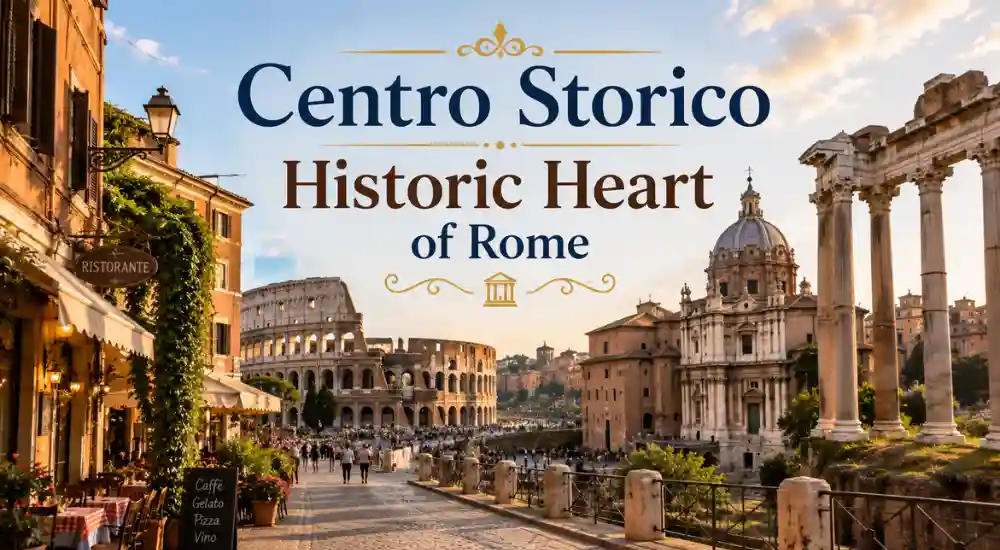
Choosing where to stay in Rome matters more than it does in most European capitals, and there’s a simple reason why: Rome’s metro system is genuinely limited, with just two main lines that skirt around, rather than through, much of the historic center. That means walkability to the sights you actually want to see should weigh more heavily in your decision than it would in a city like Paris or London, where an extensive metro can bail you out of a less-than-ideal location.
This guide breaks down the neighborhoods that consistently work best for visitors, with honest notes on walking times to major sights, typical hotel costs, and who each area suits. You’ll also find airport transfer details for Fiumicino and Ciampino, budget-friendly alternatives, and the planning mistakes that catch first-time visitors to Rome most often. If you’re extending your trip beyond the capital, our guide to the best places to visit in Italy covers day trips and regional add-ons worth considering.
Quick Answer
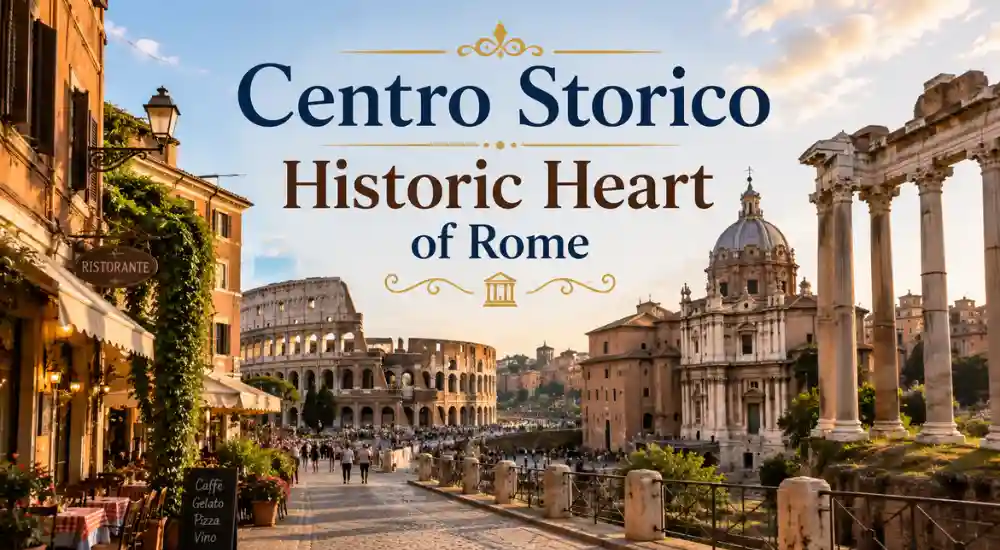
For most first-time visitors, the Centro Storico (historic center) is the best base — it puts the Pantheon, Piazza Navona, Campo de’ Fiori, and the Trevi Fountain within a 5 to 20-minute walk. Monti is the strongest alternative if the Colosseum and ancient sites are your priority, Trastevere suits couples and travelers who want Rome’s best dining scene, and Prati works well for families and value-conscious visitors near the Vatican.
TL;DR
- Best for first-timers: Centro Storico (historic center)
- Best for couples and dining: Trastevere
- Best near the Colosseum: Monti
- Best for families and value: Prati (near the Vatican)
- Best for luxury shopping: Spanish Steps / Tridente
- Getting around: Rome is best explored on foot — the metro only has two main lines and misses much of the historic core
- Typical mid-range rate: roughly €150–€280 per night depending on the neighborhood
Why Location Matters More in Rome Than Most Cities
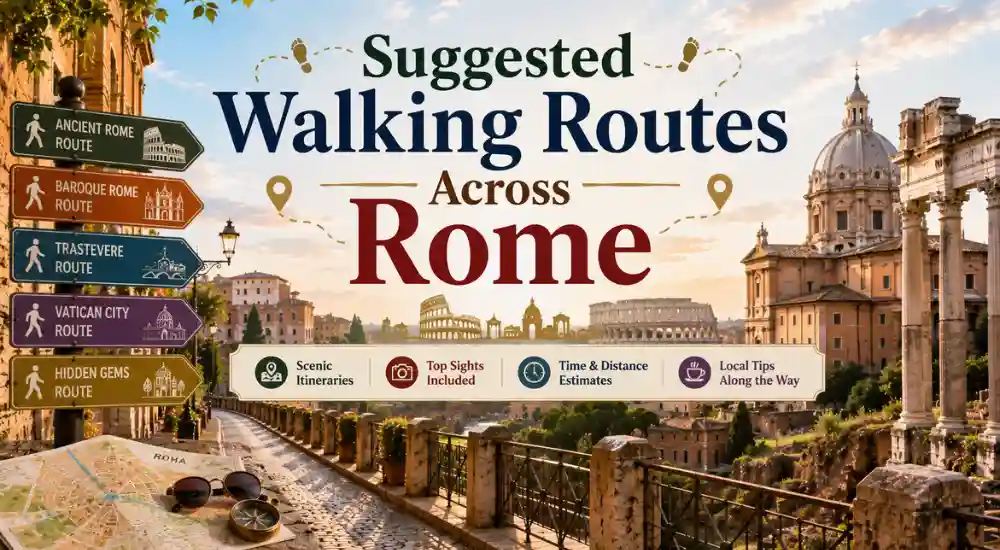
Unlike Paris or London, Rome never built out a dense metro network across its historic core — ancient ruins buried throughout the city make large-scale tunneling difficult and expensive, so construction has been slow for decades. The two main lines, A and B, intersect at Termini but largely skirt around the Centro Storico rather than running through it. Buses fill some of the gap but can be slow and crowded, especially in traffic.
The practical result: most visitors end up walking between sights far more in Rome than in other major European capitals, and many of the city’s best moments — a quiet piazza, a hidden church, a gelato stop — happen between planned stops rather than at them. Choosing a walkable, central base pays off more here than almost anywhere else in Europe.
Where to Stay in Rome: Neighborhood Comparison
| Neighborhood | Best For | Typical Nightly Rate (mid-range) | Walk to Colosseum |
|---|---|---|---|
| Centro Storico | First-timers, walkability | €200–€280 | 20–25 min |
| Trastevere | Couples, dining, nightlife | €170–€230 | 25–30 min |
| Monti | Ancient sites, independent shops | €160–€220 | 10–15 min |
| Prati | Families, value, Vatican access | €140–€200 | 35–40 min |
| Spanish Steps / Tridente | Luxury, shopping | €250–€350 | 25–30 min |
| Testaccio | Food lovers, local feel | €130–€180 | 25–30 min |
| Termini | Budget, transport links | €90–€150 | 20–25 min |
Rates run higher from April through June and September through October, when mild weather draws the biggest crowds. Check current listings before booking, since Rome hotel pricing shifts seasonally.
Centro Storico — Best for First-Timers
Rome’s historic center is the single most convenient base for a first visit. From a hotel near the Pantheon, Piazza Navona, or Campo de’ Fiori, most of the city’s headline sights sit within a 5 to 25-minute walk, letting you return to your room between sightseeing stops rather than trekking across town.
- Why visit: The Pantheon, Piazza Navona, Campo de’ Fiori, and the Trevi Fountain are all within easy reach, along with countless smaller churches and piazzas worth wandering into.
- Best for: First-time visitors, families with kids, and anyone who wants to walk to nearly everything without relying on Rome’s limited public transport.
- Transportation: Best explored on foot; the nearest useful metro stops sit at the edges of the district rather than inside it.
- Practical tip: Restaurants directly on Piazza Navona and around the Pantheon skew toward tourist-menu pricing — walk two or three streets in any direction for better food at lower prices.
Trastevere — Best for Couples and Dining
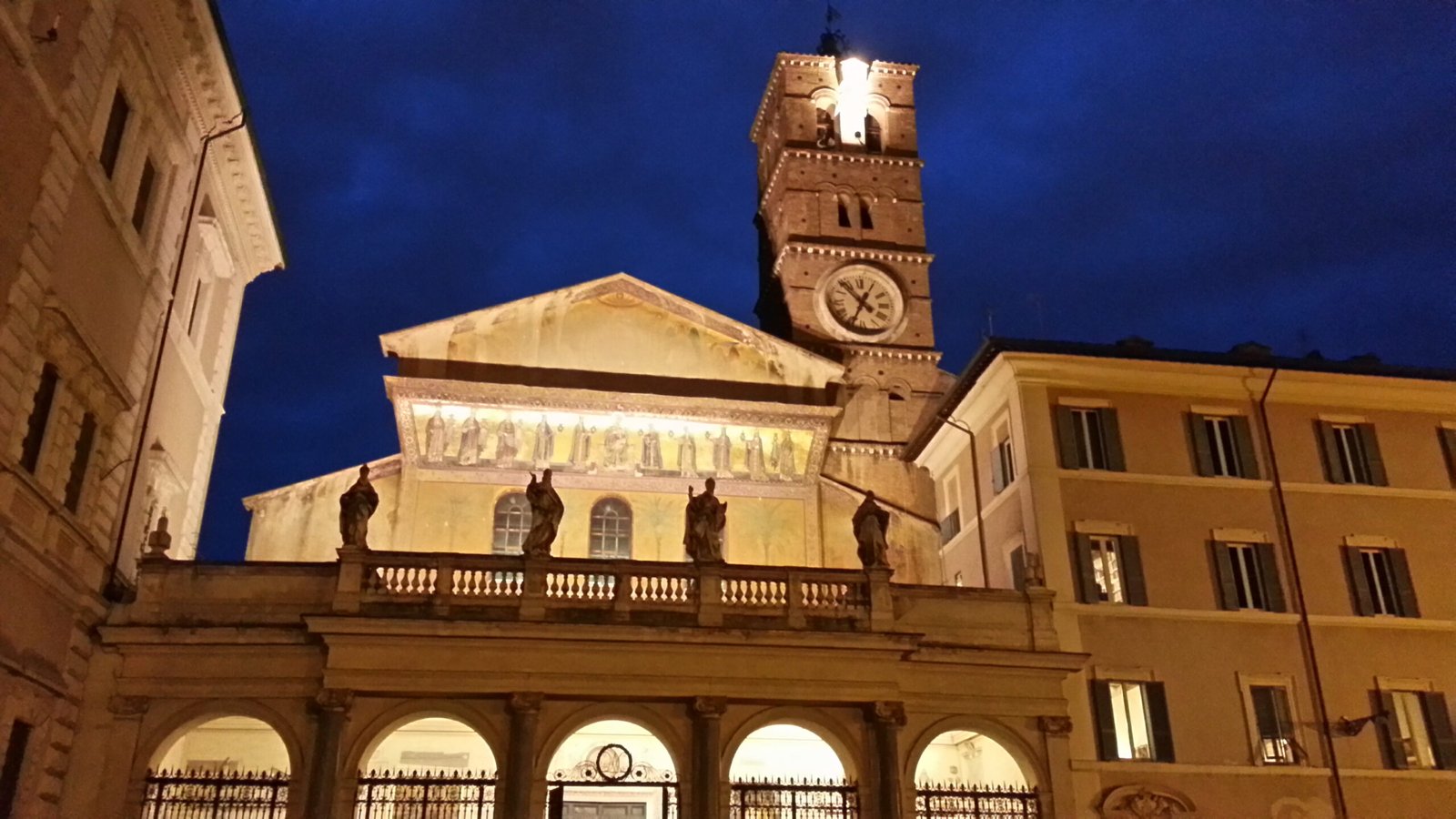
Across the Tiber from the historic center, Trastevere keeps a village-like character despite its popularity — ivy-covered facades, medieval lanes, and what’s widely considered Rome’s best concentration of trattorias and wine bars.
- Why visit: Santa Maria in Trastevere Basilica, a dense evening dining and bar scene, and some of the most photogenic streets in the city.
- Best for: Couples, travelers prioritizing food, and anyone who wants a lively evening atmosphere with a more local feel than the historic center.
- Transportation: No metro station in the neighborhood itself; trams and buses connect to the center, but walking is the most practical option for most trips.
- Practical tip: Trastevere gets genuinely loud on weekend nights — if you want quieter sleep, book a hotel a few streets back from the busiest piazzas rather than directly on them.
Monti — Best for Ancient Rome and the Colosseum
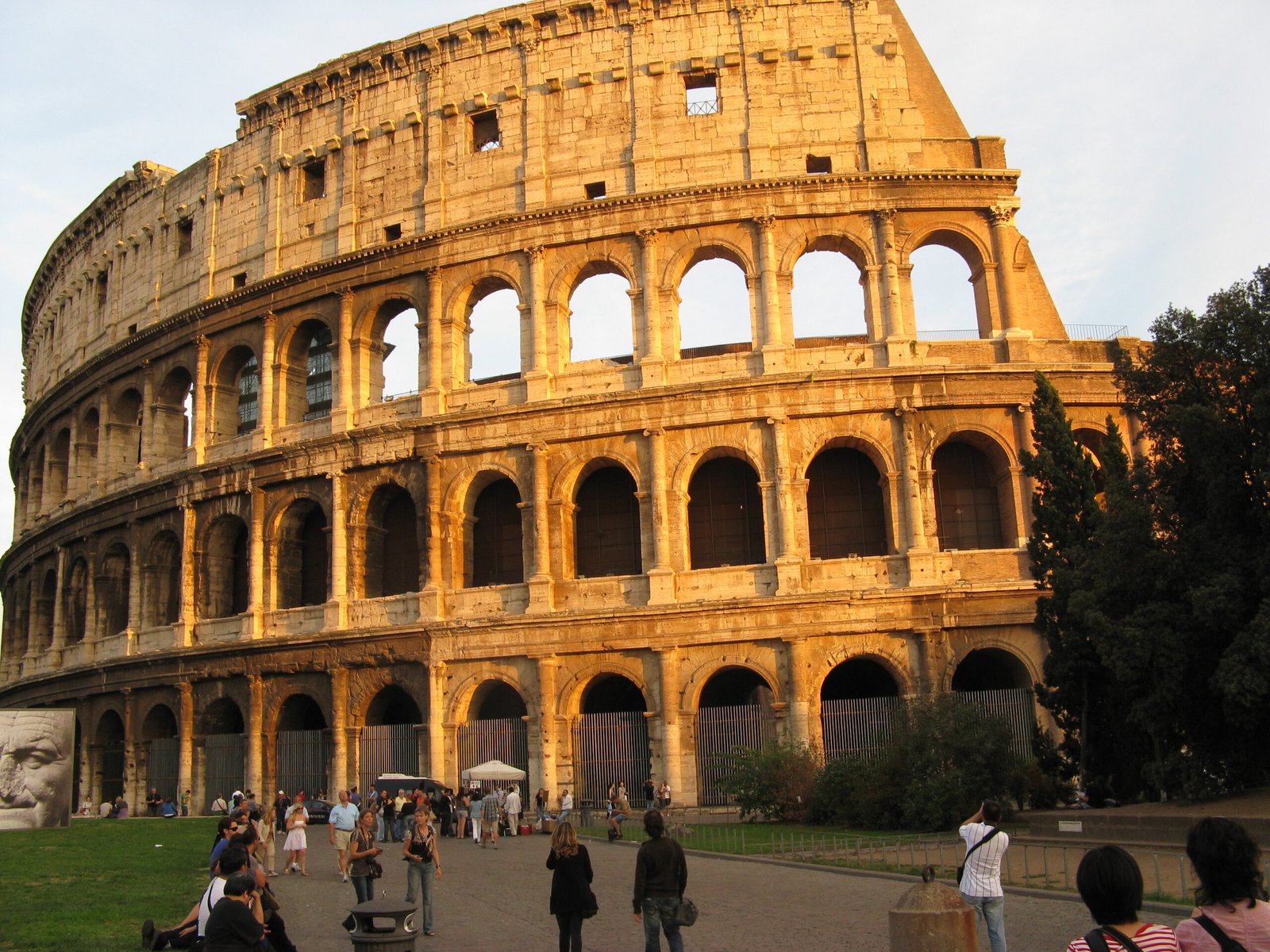
Rome’s oldest rione, Monti sits just northwest of the Colosseum and combines ancient-site proximity with a relaxed, bohemian neighborhood feel — independent shops, wine bars, and noticeably fewer tour groups than the immediate Colosseum area.
- Why visit: The shortest walk to the Colosseum and Roman Forum of any neighborhood on this list, plus a genuinely local shopping and dining scene.
- Best for: Travelers prioritizing ancient Rome, and anyone who wants a quieter, less touristy base than staying immediately at the Colosseum.
- Transportation: Metro Line B stops at Cavour, right on the edge of the neighborhood — one of the few areas where the metro is genuinely useful.
- Practical tip: Streets immediately bordering the Colosseum itself are the most touristy and crowded in the area; Monti’s interior streets, just a few minutes further, feel noticeably calmer.
For a full day-by-day plan through the ancient sites, see our guide to the best things to do in Rome, and pair it with our Rome restaurant guide for where to eat each evening.
Prati — Best for Families and Value Near the Vatican
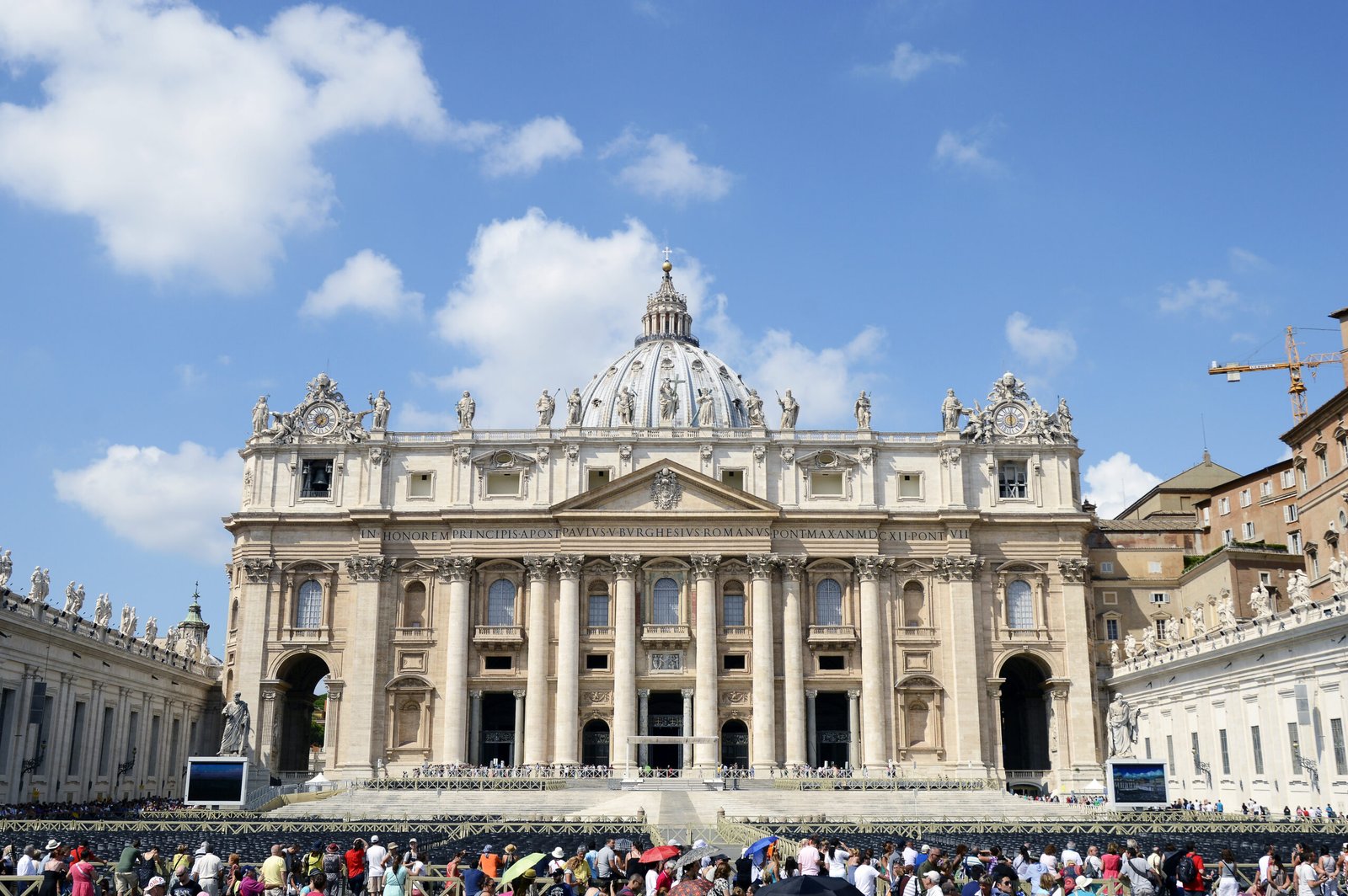
North of the Vatican, Prati is a genuinely residential neighborhood with wide, orderly streets, more green space than the historic center, and noticeably better hotel value for the same quality of room.
- Why visit: Immediate access to the Vatican Museums and St. Peter’s Basilica, plus calmer streets and easier stroller access than the historic center’s narrow lanes.
- Best for: Families, value-conscious travelers, and anyone whose itinerary centers on the Vatican.
- Transportation: Metro Line A runs through Prati, making it one of the better-connected neighborhoods on this list.
- Practical tip: Book Vatican Museum tickets in advance regardless of where you stay — lines without a reservation can run over an hour, especially from spring through fall. The official Vatican Museums site handles advance ticketing directly.
Spanish Steps / Tridente — Best for Luxury and Shopping
The area around the Spanish Steps and Piazza di Spagna holds Rome’s highest concentration of luxury hotels and designer shopping, centered on Via Condotti.
- Why visit: The Spanish Steps themselves, Via Condotti’s flagship fashion boutiques, and elegant streets connecting toward the Trevi Fountain.
- Best for: Luxury travelers and shopping-focused trips.
- Transportation: Metro Line A stops directly at Spagna.
- Practical tip: This is one of the priciest areas in the city for both hotels and restaurants — budget accordingly, or use it as a daytime destination rather than a home base.
Testaccio — Best for Food Lovers and a Local Feel
South of the historic center, Testaccio is where many Romans themselves go to eat, built around a historic covered food market and a concentration of traditional trattorias serving Rome’s classic offal-based dishes.
- Why visit: Mercato Testaccio for lunch, and some of the most authentic, least tourist-oriented dining in the city.
- Best for: Food-focused travelers and anyone who’s visited Rome before and wants a more local neighborhood this time.
- Transportation: Metro Line B stops at Piramide, on the edge of the neighborhood.
- Practical tip: Testaccio sits further from the major sights than other options here — it’s a better fit for a second Rome trip than a rushed first visit.
Termini — Best for Budget and Transport Links
Rome’s main train station area offers the city’s best hotel value and the most convenient transport links, at the cost of a less atmospheric, more transient neighborhood feel.
- Why visit: Direct rail connections to Fiumicino Airport and other Italian cities, plus the lowest average hotel rates of any central neighborhood.
- Best for: Budget travelers and anyone prioritizing an early train or airport departure.
- Transportation: Both metro lines A and B intersect here, the best connectivity in the city.
- Practical tip: Stick to well-lit streets close to the station at night, and choose a hotel a few blocks in rather than immediately adjacent to the busiest station exits.
Where to Stay on a Budget
Termini offers the lowest rates among well-connected neighborhoods, and the areas around San Lorenzo and Pigneto, both east of the center, offer genuinely local, lower-cost alternatives with a livelier nightlife scene than Termini, popular with students and younger travelers. The trade-off is a slightly longer walk or bus ride to the historic core. Testaccio also runs cheaper than the Centro Storico while staying reasonably central.
A practical budget strategy in Rome is to prioritize a hotel within walking distance of at least one major sight cluster, even if it means a smaller room or a simpler breakfast, rather than chasing the absolute lowest nightly rate on the outskirts. Because Rome’s public transport can’t fully compensate for a poor location the way it can in cities with denser metro coverage, a few extra euros for a walkable address often saves more in taxi fares and lost time than it costs upfront. Apartment rentals in Monti and Testaccio can also stretch a budget further than a hotel of similar quality, especially for groups splitting the cost of a kitchen and extra space.
Where to Stay for Solo Travelers
Solo travelers generally do well in the Centro Storico or Monti, both of which stay busy with foot traffic well into the evening and keep everything within walking distance, reducing the need for late-night transport. As in any major city, stick to well-lit main streets at night and take normal precautions around Termini station, where petty theft is somewhat more common due to the crowds.
Areas to Approach with Caution
Rome is generally safe for visitors throughout the historic center. The area immediately around Termini station deserves a bit more awareness after dark, mainly due to pickpocketing risk in crowds rather than any serious danger. The official Rome tourism board publishes current visitor information worth checking as well. Conditions can shift, so it’s worth checking current local advice before your trip rather than relying on older warnings you might find elsewhere.
Getting from Fiumicino and Ciampino Airports
Rome is served primarily by Fiumicino (FCO), about 30 km southwest of the city, and the smaller Ciampino (CIA), about 15 km southeast, used mainly by budget airlines. From Fiumicino, the Leonardo Express train runs directly to Termini in about 32 minutes, while regional trains serve other stations at a lower cost but with more stops. From Ciampino, there’s no direct rail link — a shuttle bus to Termini takes roughly 40 minutes. Taxis are available from both airports at fixed rates into the city center, which can be worth it for groups or heavy luggage. Check the official Fiumicino Airport site for current train schedules and terminal details. Fares and schedules can change, so confirm current pricing before you travel.
Best Time to Book Your Rome Hotel
Rome’s hotels fill up fastest from April through June and again in September and October, when the weather is at its best and crowds at major sites are heaviest. Booking six to eight weeks ahead usually secures good availability; for Easter week or major religious events at the Vatican, book three months or more in advance.
July and August bring noticeably hotter weather and, in some years, reduced hours at smaller sights as locals take their own summer holidays, so hotel rates dip slightly compared to late spring. Winter, outside the Christmas and New Year period, is Rome’s quietest and most affordable stretch — many major sights see far shorter lines, though a few outdoor attractions may keep reduced hours. Check current opening hours for any specific sight before finalizing a winter itinerary.
Common Mistakes to Avoid
- Assuming Rome’s metro works like Paris’s or London’s — it covers only a fraction of the historic core
- Booking a hotel near the Colosseum without checking the actual walking distance to the Centro Storico, which can be 20-plus minutes
- Skipping advance tickets for the Vatican Museums or Colosseum, leading to hour-plus wait times
- Underestimating how much walking a Rome itinerary requires — comfortable shoes matter more here than almost anywhere else in Europe
- Choosing a hotel directly on a busy nightlife piazza in Trastevere without checking for noise at night
Frequently Asked Questions
What is the best area to stay in Rome for first-time visitors?
The Centro Storico (historic center) is the best choice for most first-time visitors, since it puts the Pantheon, Piazza Navona, and Trevi Fountain within a short walk of your hotel.
Is Trastevere a good place to stay in Rome?
Yes, especially for couples and travelers who prioritize dining and nightlife. It’s a 25 to 30-minute walk from the Centro Storico, so factor in slightly more walking than staying directly in the historic center.
Should I stay near the Colosseum or the Vatican?
Staying near the Colosseum (Monti) puts you closer to ancient Rome, while staying near the Vatican (Prati) suits travelers whose itinerary centers on St. Peter’s and the Vatican Museums. Neither area is within easy walking distance of the other, so pick based on which sights matter most.
Is Rome’s metro good enough to rely on?
Not entirely. Rome has only two main metro lines, and much of the historic center sits outside their reach. Most visitors end up walking between sights more than they would in other major European capitals.
How do I get from Fiumicino Airport to central Rome?
The Leonardo Express train runs directly from Fiumicino to Termini station in about 32 minutes. Regional trains and airport taxis are also available.
Where should families with kids stay in Rome?
Prati, near the Vatican, is a popular choice for families thanks to its wider streets, greater sense of space, and easier stroller access than the narrow lanes of the historic center.
How many days do you need in Rome?
Most first-time visitors are comfortable with three to four days, enough time to cover the Centro Storico, the Colosseum and Roman Forum, and the Vatican without feeling rushed.
Final Thoughts
Because Rome rewards walkability more than almost any other major European city, where to stay in Rome deserves real thought before you book. The Centro Storico remains the safest, most convenient choice for a first visit, while Monti, Trastevere, and Prati each trade a bit of central proximity for a specific advantage — ancient sites, dining, or family-friendly value.
Whichever neighborhood you choose, pair it with comfortable shoes and a realistic itinerary, since Rome’s charm often shows up in the walk between sights rather than at the sights themselves. Book a few months ahead if you’re traveling in peak season, and the rest of your trip should come together with minimal stress.