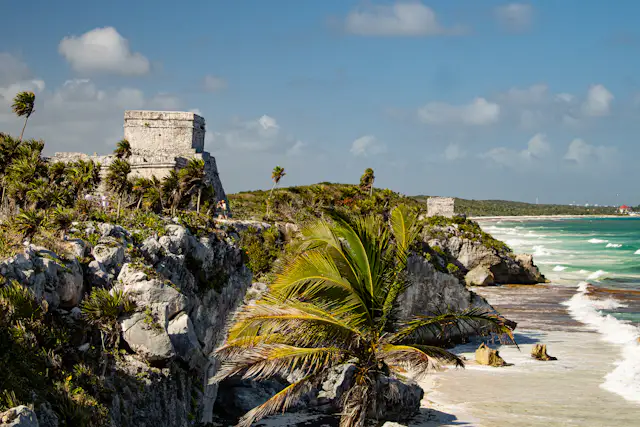
The best time to visit Tulum is the dry season, roughly November through April, when the weather is warm and sunny, humidity is low, and — critically — the risk of sargassum seaweed on the beaches is at its lowest. Unlike most beach destinations, Tulum’s single biggest planning variable isn’t really rain or heat; it’s sargassum, the seaweed that can pile up on open Caribbean beaches during parts of the year and genuinely change what a beach day looks like.
This guide breaks Tulum down month by month, covering dry versus rainy season, exactly when sargassum risk peaks, hurricane season timing, and the shoulder weeks that give you dry-season weather without dry-season crowds or prices. Because the ruins, cenotes, and the Sian Ka’an biosphere reserve are largely unaffected by seaweed, we’ll also cover how to plan around a rainy or sargassum-heavy stretch without wasting the trip.
Quick Answer
The best time to visit Tulum is late November through April, when dry-season weather, the clearest cenote and reef water, and the lowest sargassum risk all line up. For the same conditions at better prices, target late November, early December (before the 15th), or just after Easter. If beach photos matter most to your trip, avoid May through August, when sargassum risk is highest.
TL;DR
- Best overall window: Late November to April — dry, clear, and the least seaweed
- Best value with good weather: Late November, early December (pre-holidays), or just after Easter
- Sargassum risk: Highest May–August (peaking June–July), lowest November–March
- Hurricane season: June 1–November 30, peaking September–October
- Cheapest, quietest months: September and October — but wettest and highest storm risk
- Whale shark season: Mid-May to mid-September, peaking July–August (offshore, unaffected by sargassum)
- Unaffected by seaweed: Cenotes, the Sian Ka’an biosphere reserve, and the ruins
Tulum’s Two Seasons — and the Variable That Matters Most
Tulum has a straightforward two-season pattern: a dry season (November–April) with sunny days, low humidity, and minimal rain, and a wet or “green” season (May–October) with afternoon showers, higher humidity, and hurricane risk. Rain in the wet season tends to arrive as afternoon bursts rather than all-day downpours, so mornings are often clear even in the rainier months.
But the single factor that most affects an open-beach trip to Tulum isn’t rain — it’s sargassum, a type of floating seaweed that drifts onto Caribbean shorelines and can pile up thickly enough to affect water clarity and beach usability. It’s highly variable year to year and even beach to beach, driven by currents, winds, and regional bloom conditions, so it’s worth checking a current regional sargassum monitoring report close to your travel dates rather than relying on the calendar alone.

Best Time for Clear Beaches and Low Sargassum
Sargassum accumulation in Tulum is generally heaviest from May through August, peaking in June and July, and lowest from November through March. If a pristine, seaweed-free Caribbean beach is central to your trip, this is the single most important variable to plan around — more important than rain, heat, or even hurricane risk for a beach-focused visit.
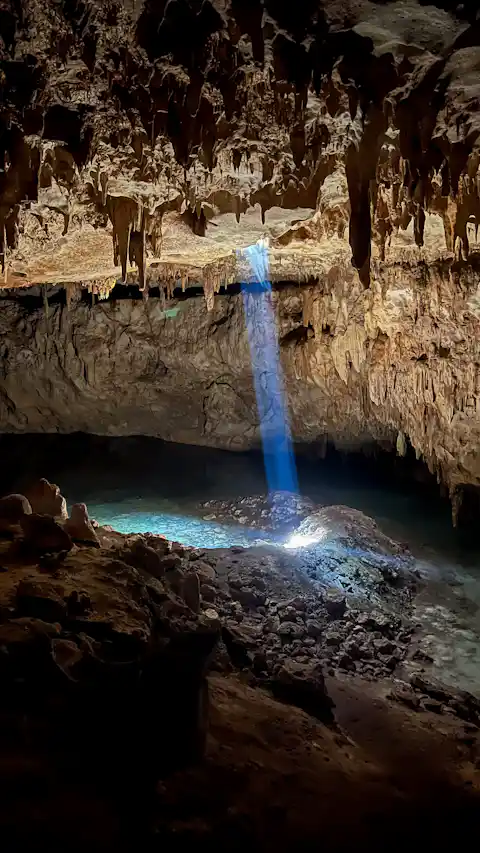
Important nuance: sargassum does not affect Tulum’s cenotes, the Sian Ka’an biosphere reserve, or the archaeological ruins, so a trip during a higher-risk seaweed month doesn’t have to be a wash — it just means leaning more heavily on those attractions and checking current beach conditions day by day, since hotels and beach clubs with active cleanup crews often maintain swimmable conditions even when nearby natural beaches show heavier buildup.
Best Time to Avoid Hurricanes
Atlantic hurricane season runs officially from June 1 through November 30, with risk peaking in September and October. Tulum has not experienced frequent direct major hurricane hits in recent decades, but tropical storms and lower-category systems do occur, and even a storm that passes nearby can bring heavy rain, wind, and beach closures. From December through May, hurricane risk is essentially zero, which is one more reason the dry season is the lower-stress choice for weather-sensitive travel.
If you do travel June through November, travel insurance covering storm-related disruption is a sensible precaution, and it’s worth monitoring forecasts from the National Hurricane Center and Mexican meteorological services as your trip approaches.
Best Time for Value: Shoulder Weeks and the Off-Season
The smartest value play in Tulum is targeting the edges of the dry season rather than its peak. Late November and the first half of December (before holiday crowds arrive) offer dry-season weather, minimal sargassum, and prices roughly 20–30% below the February peak — with the added bonus that the ruins and cenotes are notably uncrowded on weekday mornings. The weeks just after Easter offer a similar trade-off on the other end of the dry season.
For deeper savings, September and October are the cheapest and emptiest months of the year, though this comes at the cost of the wettest weather and the highest hurricane risk. This combination suits flexible, budget-focused travelers who front-load their days with morning activities before any afternoon rain arrives.
Best Time for Whale Sharks and Wildlife
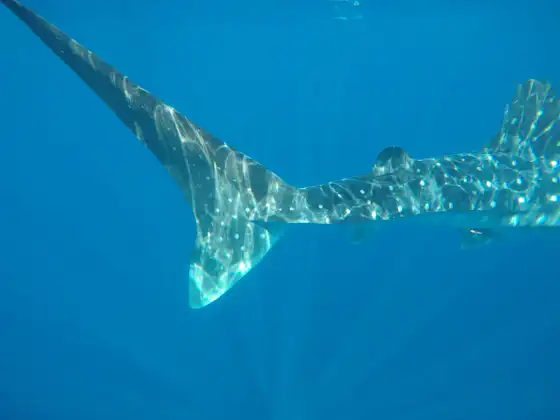
Tulum’s marquee wildlife season is whale shark viewing, with the season running roughly mid-May through mid-September and peaking in July and August. This is a genuinely compelling reason to consider a wet-season visit despite the sargassum and rain trade-offs, especially since whale shark tours operate offshore and aren’t affected by beach seaweed conditions the way a standard beach day would be.
Month-by-Month Breakdown
| Month | Weather | Sargassum Risk | Hurricane Risk | Crowds/Price |
|---|---|---|---|---|
| January | Dry, sunny, warm | Low | None | High, peak pricing |
| February | Dry, sunny | Low | None | Very high, peak pricing |
| March | Dry, sunny, warming | Low | None | Very high; spring break crowds |
| April | Dry, warm | Low-medium (rising) | None | High; Easter crowd surge |
| May | Warming, mostly dry | Medium (rising) | Low (season starts June 1) | Medium; shoulder season begins |
| June | Hot, humid, afternoon showers | High (peaking) | Low-medium | Medium; whale sharks arrive |
| July | Hot, humid | Highest | Medium | Medium-low; whale shark peak |
| August | Hot, humid | High | Medium | Medium-low; whale shark peak |
| September | Hot, wettest month | Improving | Highest | Lowest crowds, cheapest prices |
| October | Warm, rainy | Improving | High | Low crowds, low prices |
| November | Dry season returns (by mid-month) | Low (clearing) | Low (ends Nov 30) | Rising; Thanksgiving crowd bump |
| December | Dry, sunny | Low | None | Very high after mid-month; holiday peak |
Weather and sargassum patterns reference multiple current sources citing regional monitoring data; both are highly variable year to year, so check closer-term forecasts and sargassum reports before traveling.
Best Time by Traveler Type
Beach-focused travelers: November through March for the clearest, most reliably seaweed-free beaches.
Budget travelers: September and October for the lowest prices, accepting wetter weather and higher storm risk; or late November/early December for a gentler value-to-weather trade-off.
Families: Late November through early December, or just after Easter, for good weather without the peak-season crush.
Wildlife and snorkeling enthusiasts: Mid-May through mid-September for whale shark season, understanding this overlaps with peak sargassum risk on open beaches.
Ruins and cenote-focused travelers (less beach-dependent): Nearly any month works well, since these attractions are largely unaffected by both rain and sargassum — this makes the wetter, cheaper months a genuinely good option if beach time isn’t the priority.
Digital nomads and long-stay travelers: May or late October into early November for shoulder-season rates without full hurricane-season risk.
Common Mistakes to Avoid
- Booking a beach-focused trip for June–August without checking current sargassum conditions. This is the single highest-risk window for seaweed on open beaches.
- Assuming rainy season means a washed-out trip. Wet-season rain in Tulum usually arrives as afternoon showers, not all-day downpours, and cenotes, ruins, and the Sian Ka’an reserve are largely unaffected.
- Skipping travel insurance during hurricane season. Direct major hits are uncommon, but tropical storms and disrupted flights do happen June through November.
- Not booking peak season far enough ahead. December–April accommodations can sell out months in advance — reserve by September for Christmas/New Year and by November for February–March.
- Relying only on hotel marketing photos to judge beach conditions. Sargassum levels change week to week; check a current, independent regional monitoring report close to your travel dates instead.
- Overlooking the late-November and early-December window. It offers dry-season conditions at meaningfully lower prices than the full holiday and February peak.
Frequently Asked Questions
What is the single best month to visit Tulum?
February or March are frequently cited as the top picks — dry, sunny, minimal sargassum, and (for March specifically) slightly better prices than the December–January peak, though both come with real crowds.
When is sargassum seaweed worst in Tulum?
Sargassum risk is generally highest from May through August, peaking in June and July, and lowest from November through March. It’s highly variable, so check a current regional monitoring report before your trip.
Does hurricane season affect Tulum much?
Direct major hurricane hits aren’t frequent in recent decades, but tropical storms and heavy rain from nearby systems do occur during the official June–November season, peaking in September and October.
What’s the cheapest time to visit Tulum?
September and October are typically the cheapest and least crowded months, though they come with the wettest weather and highest hurricane risk of the year.
Are the cenotes affected by sargassum?
No — sargassum only affects open ocean beaches. Tulum’s cenotes, the Sian Ka’an biosphere reserve, and the archaeological ruins are unaffected by seaweed conditions.
When can I see whale sharks near Tulum?
The season runs roughly mid-May to mid-September, peaking in July and August — this window overlaps with peak sargassum season, but whale shark tours operate offshore and aren’t affected by beach seaweed.
How far ahead should I book for peak season?
For Christmas and New Year, book by September; for February and March, book by November — dry-season accommodations can sell out months in advance.
Final Thoughts
The best time to visit Tulum comes down to a trade-off between weather, sargassum, crowds, and price — and unlike most beach destinations, seaweed is often the deciding factor rather than rain. Late November through April delivers the clearest water and driest weather, with the shoulder weeks (late November, early December, and just after Easter) offering the best value within that window. If your trip leans more on ruins, cenotes, and the Sian Ka’an reserve than open-beach time, the cheaper, wetter months become a much more reasonable option.
Whatever window you choose, check a current sargassum report close to your travel dates rather than relying on the calendar alone, book peak-season accommodation well ahead, and consider travel insurance if you’re traveling during hurricane season. With the right timing — and the right expectations about seaweed — Tulum delivers a strong experience in nearly any month.