
Planning a hike in Colorado and thinking about Red Mountain 3? This hiking guide to Red Mountain 3 in Colorado will give you everything you need before you go. Known for its bright red slopes and stunning views along Red Mountain Pass, this hike is one of the most unique experiences in the San Juan Mountains.
Whether you’re searching for a detailed Red Mountain 3 trail guide, wondering about the difficulty level, or trying to find the exact trailhead location, this guide keeps it simple and clear. You’ll learn how to get there, what to expect on the Red Mountain 3 hike, and how to stay safe at high altitude.
If you want a complete, easy-to-follow guide with real tips, this is exactly what you need before starting your adventure.
What to Expect Hiking Red Mountain 3
The Red Mountain 3 hike in Colorado is not your typical trail—it’s a short but rewarding adventure through the colorful slopes of the San Juan Mountains. Unlike crowded Colorado hiking trails, this route feels quiet, raw, and visually unique. Expect loose terrain, open ridges, and wide views over Red Mountain Pass and the famous Million Dollar Highway.
Who This Hike Is For
This hike is best for:
- Beginner to intermediate hikers looking for a short summit experience
- Travelers wanting a scenic but less crowded hike in Colorado
- Anyone curious about Red Mountain 3 trail conditions and views
If you’re comfortable walking on uneven ground and hiking at high altitude, you’ll enjoy this route.
Key Highlights (Views, Terrain & Uniqueness)
- Bright red-colored mountains unlike anywhere else in Colorado
- Panoramic views of the San Juan Mountains
- Easy access from Red Mountain Pass
- A true hidden gem hike in Colorado
Quick Difficulty Summary
The Red Mountain 3 hike difficulty is generally considered easy to moderate. It’s short in distance, but factors like altitude, loose scree, and route finding can make it feel more challenging than expected.
Red Mountain 3 at a Glance
Before starting your Red Mountain 3 hike in Colorado, here are the key details you should know. This quick overview helps you understand the trail at a glance and plan better.
- Elevation: ~13,000+ ft (high-altitude hike in Colorado)
- Distance (Round Trip): ~2 to 3 miles
- Elevation Gain: ~1,200–1,500 ft
- Difficulty Level: Easy to Moderate (short but includes loose terrain)
- Estimated Time: 2 to 4 hours (depending on pace)
- Trail Type: Out-and-back with some route finding
Even though the Red Mountain 3 trail is short, the altitude and loose scree can make it feel more challenging than expected.
Where is Red Mountain 3 Located?
Red Mountain 3 is located in the beautiful San Juan Mountains, one of the most scenic regions for Colorado hiking trails. It sits right along Red Mountain Pass, which connects the towns of Ouray and Silverton.
This area is also part of the famous Million Dollar Highway, known for its dramatic views, steep cliffs, and colorful mountain landscapes.
Why is it Famous?
- Bright red-colored peaks created by mineral-rich soil
- Easy access directly from the highway
- One of the most photographed spots in the San Juan Mountains
- A popular stop for both hikers and road trip travelers
The combination of easy access + unique scenery makes the Red Mountain 3 hike a must-do in Colorado.
My Experience Hiking Red Mountain 3
When I first arrived at Red Mountain Pass, the deep red color of the mountain immediately stood out—it’s something you don’t usually see on other Colorado hiking trails.
What surprised me most was how quiet and uncrowded the trail felt, even though it’s right off the road. The hike itself was short, but the loose terrain and high altitude made it more challenging than I expected.
My honest take? The Red Mountain 3 hike is absolutely worth it if you want a quick adventure with incredible views, but you should still come prepared—it’s not as “easy” as it looks from a distance.
How to Get to Red Mountain 3 Trailhead
Getting to the Red Mountain 3 trailhead is fairly simple, which is one reason this hike is so popular among those exploring Red Mountain Pass hiking routes.
Driving Directions
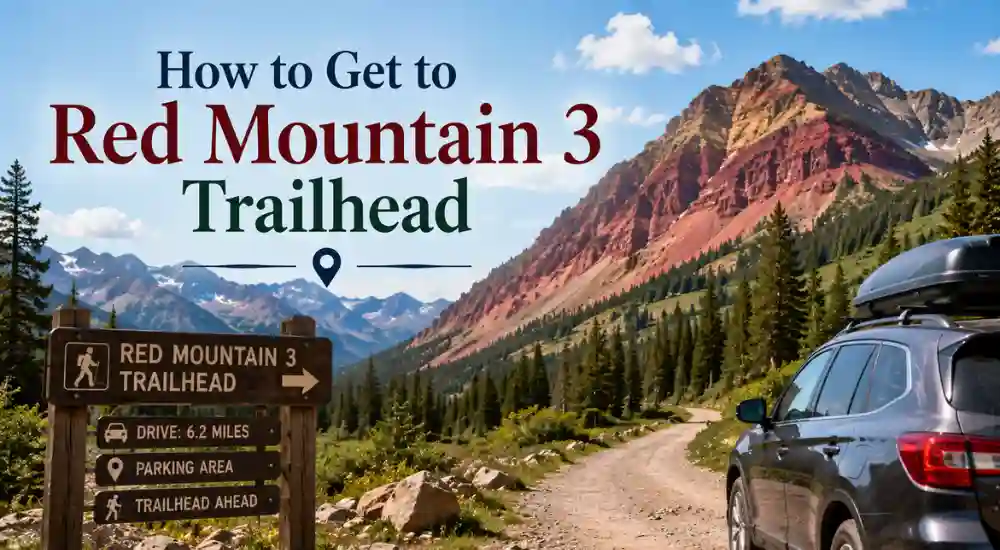
The trail is located along Red Mountain Pass on U.S. Route 550, between the towns of Ouray and Silverton in Colorado. This scenic road is also known as the Million Dollar Highway, one of the most beautiful drives in the state.
- From Ouray: Drive south for about 12 miles
- From Silverton: Drive north for about 10 miles
You’ll see Red Mountain 3 clearly from the road, making it easy to identify your destination.
Parking Details
There is no official parking lot for the Red Mountain 3 hike, but you’ll find:
- Small roadside pull-offs
- Gravel areas near the base of the mountain
Parking is limited, so arriving early is a good idea, especially during peak summer months.
2WD vs 4WD Reality
Good news: you do not need a 4WD vehicle to access the Red Mountain 3 trailhead.
- The main highway is fully paved and accessible by 2WD vehicles
- Some nearby dirt roads may require 4WD, but they are not necessary for this hike
GPS Coordinates (Exact Location)
To make navigation easier, you can use these approximate coordinates:
- Latitude: 37.907° N
- Longitude: -107.710° W
Searching “Red Mountain 3 trailhead Colorado” in Google Maps will also guide you directly to the correct spot.
Step-by-Step Trail Guide (Route Breakdown)
The Red Mountain 3 trail is not a clearly marked path, so having a simple route breakdown will help you stay on track and avoid common mistakes.
Trail Start → Lower Slopes
The hike begins right from the roadside near your parking spot. There is no official trailhead sign, so you’ll need to find a natural path leading upward.
- Start by hiking across grassy terrain
- Gradually move onto loose dirt and small rocks
- The slope is gentle at first, making it a good warm-up
This section is straightforward and gives you your first views of the San Juan Mountains.
Midway Section (Navigation + Terrain)
As you continue, the terrain becomes more challenging.
- Expect loose scree and rocky sections
- There may be multiple paths, so choose the most stable route
- Keep heading upward toward the ridge
This is where many hikers notice the Red Mountain 3 hike difficulty increase due to footing and elevation.
Final Push to Summit
The last section is the steepest part of the Red Mountain 3 hike.
- The slope becomes steeper with loose rock underfoot
- Take slow, steady steps to maintain balance
- Follow the natural ridge line toward the top
Once you reach the summit, you’ll be rewarded with panoramic views of Red Mountain Pass and the surrounding San Juan Mountains.
Red Mountain 3 Hike Difficulty
The Red Mountain 3 hike difficulty is often described as easy to moderate, but that can be misleading if you are not used to high-altitude hiking in Colorado. While the distance is short, the conditions can make it feel more demanding than expected.
Physical Effort
Physically, this hike is not extremely long, but it still requires steady endurance because of:
- Steady uphill climbing from the start
- High elevation above 13,000 ft
- Reduced oxygen levels affecting stamina
Even fit hikers may feel the altitude quickly, especially if they are not acclimated to the San Juan Mountains region.
Terrain Challenges (Scree, Loose Rock)
The terrain is one of the biggest factors affecting difficulty:
- Loose scree and shifting rocks underfoot
- No clearly marked trail in some sections
- Steep final push toward the summit
This means every step requires attention, especially on the upper slopes of Red Mountain 3 Colorado.
Mental Difficulty
Mentally, the hike can feel more challenging than it looks:
- Route finding can be confusing
- Exposure on open slopes may feel intimidating
- Weather can change quickly in Red Mountain Pass hiking areas
Staying focused is key to safely completing the hike.
Is Red Mountain 3 Beginner Friendly?
The Red Mountain 3 trail sits in a “gray zone” for beginners—it is short, but not completely easy due to altitude and terrain.
Who Should Attempt It
This hike is suitable for:
- Fit beginners with some hiking experience
- Intermediate hikers looking for a short summit challenge
- Travelers used to Colorado hiking trails at high altitude
Who Should Avoid It
It may not be ideal for:
- Absolute beginners with no hiking experience
- People sensitive to altitude sickness
- Hikers uncomfortable with loose rock and off-trail navigation
If you are unsure, it’s better to start with easier hikes in the San Juan Mountains first.
Common Mistakes Hikers Make
Many hikers underestimate the Red Mountain 3 hike in Colorado, leading to avoidable problems. Here are the most common mistakes:
Starting Too Late
Afternoon weather in the mountains can change fast. Starting late increases the risk of storms and reduces visibility.
Underestimating Altitude
At over 13,000 ft, altitude sickness is a real risk. Many hikers feel tired, dizzy, or short of breath.
Poor Route Finding
There is no clearly marked trail in some areas, so hikers often:
- Stray off route
- Choose unstable terrain
- Lose time navigating
Not Checking Weather
Weather in the San Juan Mountains changes quickly. Clear mornings can turn into storms in minutes.
Best Time to Hike Red Mountain 3
Choosing the right time is important for a safe and enjoyable experience on the Red Mountain 3 trail.
Seasonal Breakdown
- Late June to September: Best hiking season
- Early summer: Snow patches may still be present
- Fall: Cooler weather with fewer crowds
Weather Patterns
- Mornings are usually clear and calm
- Afternoons often bring storms and strong winds
- Visibility can drop quickly at higher elevations
Snow Considerations
Snow can remain on parts of the trail well into early summer:
- Makes route finding harder
- Increases slipping risk on steep sections
- Requires extra caution on exposed slopes
For the safest experience on the Red Mountain 3 hike Colorado, aim for mid-summer when conditions are most stable.
Best Time of Day to Start the Hike
Timing is very important for the Red Mountain 3 hike in Colorado, especially because weather in the San Juan Mountains can change quickly.
Early Morning vs Late Start
The best option is always an early morning start.
- Early Morning (Recommended):
- Cooler temperatures and better visibility
- More stable weather conditions
- Lower risk of afternoon storms
- Easier parking near the trailhead
- Late Start (Not Recommended):
- Higher chance of thunderstorms
- Strong afternoon winds at higher elevation
- Less time to safely complete the hike
- Poor lighting for route finding and photos
If you want a safe and enjoyable Red Mountain 3 hike, starting early is the smartest choice.
Storm Avoidance Strategy
Mountain weather can change fast, so planning is key.
- Start your hike before sunrise or early morning hours
- Aim to be below the summit area by midday
- Always check weather forecasts for Red Mountain Pass hiking conditions
- Turn back immediately if dark clouds build up
In this area, safety matters more than reaching the summit.
What Makes Red Mountain 3 Unique?
The Red Mountain 3 hike stands out from many other Colorado hiking trails because of its unusual landscape and easy access.
Colorful Geology
One of the most striking features is the deep red and orange mineral-rich soil. This gives the mountain its signature look and makes it one of the most photographed peaks in the San Juan Mountains.
- Bright red rock formations
- Mineral-stained slopes
- Unique contrast with green valleys
Scenic Views
From the top, you can see:
- Wide views of Red Mountain Pass
- Surrounding peaks of the San Juan Mountains
- The winding Million Dollar Highway below
The views feel dramatic despite the short distance of the hike.
Compared to Other Colorado Hikes
Unlike many popular hikes in Colorado:
- It is less crowded
- Short but visually dramatic
- Offers a mix of roadside access and alpine climbing
This makes it a hidden gem hike in Colorado for quick but rewarding adventures.
What You’ll See Along the Way
The Red Mountain 3 trail offers a variety of scenery in a short distance, making it visually rewarding from start to finish.
Key Viewpoints
- Panoramic views of Red Mountain Pass
- Expansive views of surrounding San Juan peaks
- Elevated ridge viewpoints near the summit
Terrain Changes
As you climb, the landscape changes noticeably:
- Start: grassy and soft ground
- Mid-section: loose dirt and rocky slopes
- Upper section: steep scree and exposed ridges
This variety is part of what makes the hike feel dynamic.
Visual Highlights
- Bright red mountain slopes
- Sharp contrast between red rock and blue sky
- Expansive alpine scenery with deep valleys below
Every section of the Red Mountain 3 hike Colorado offers a new visual experience.
Red Mountain 1 vs 2 vs 3 (Which One Should You Hike?)
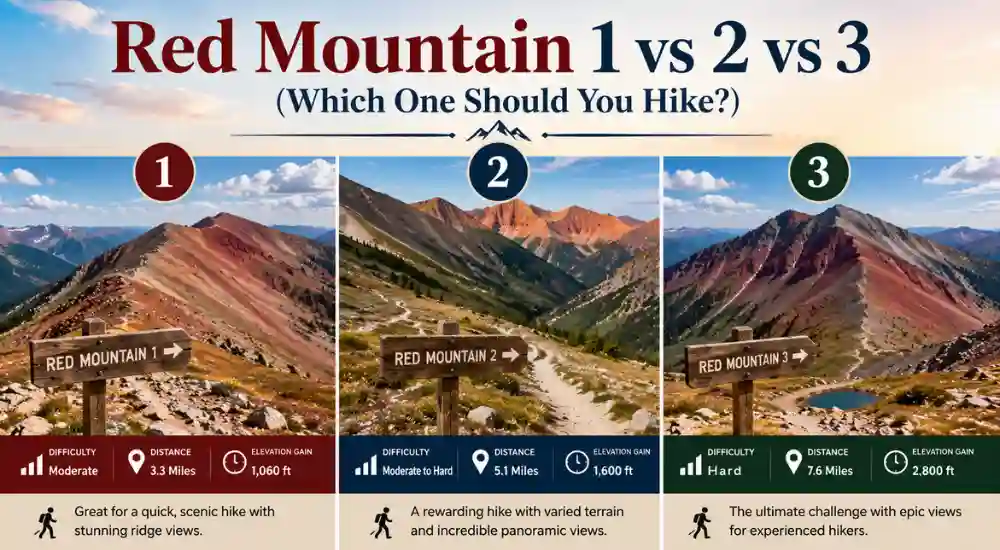
The Red Mountain peaks (1, 2, and 3) are often confused, but each offers a different experience in terms of difficulty and scenery.
Difficulty Comparison
- Red Mountain 1: Moderate, slightly easier access
- Red Mountain 2: More challenging with steeper terrain
- Red Mountain 3: Short but involves loose scree and route finding
Among them, Red Mountain 3 hike difficulty is moderate but feels tougher due to terrain conditions.
Accessibility
- All three are accessible from Red Mountain Pass
- No long approach hikes required
- Parking is roadside for all peaks
This makes them convenient for quick summit attempts.
Scenic Differences
- Red Mountain 1: Wide open views, less steep
- Red Mountain 2: More rugged and dramatic terrain
- Red Mountain 3: Best red-colored slopes and unique geology
If scenery is your priority, Red Mountain 3 Colorado hike is often considered the most visually striking.
Safety Tips for Hiking Red Mountain 3
The Red Mountain 3 hike in Colorado is beautiful, but it also comes with real mountain risks. Being prepared is key, especially because you’re hiking in the high-altitude San Juan Mountains where conditions can change quickly.
Altitude Sickness
At over 13,000 ft, altitude sickness is one of the biggest concerns.
- Symptoms include headache, dizziness, and shortness of breath
- Take slow, steady breaks during the climb
- Stay hydrated before and during the hike
- Do not push too fast on the ascent
If symptoms worsen, it’s important to descend immediately.
Loose Rock / Scree
The terrain on the Red Mountain 3 trail is not stable in many areas.
- Expect shifting rocks underfoot
- Avoid rushing on steep sections
- Choose stable ground whenever possible
- Use trekking poles if needed
Careful footing is essential for safety.
Afternoon Storms
Weather in the Red Mountain Pass area can change very fast.
- Clear mornings can turn into storms by afternoon
- Lightning risk increases at higher elevations
- Visibility can drop suddenly
Always aim to finish the hike early.
Navigation Challenges
The Red Mountain 3 hike does not always have a clear marked trail.
- Multiple route options may appear
- It’s easy to drift off course on open slopes
- Use GPS or offline maps for safety
Staying aware of your route is crucial in this area.
Trail Conditions & Real-Time Factors
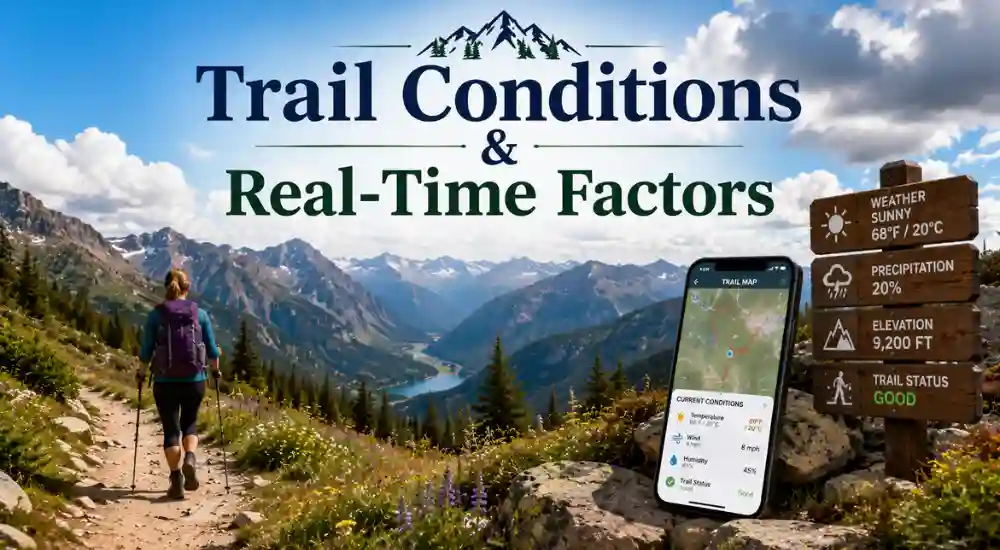
Conditions on the Red Mountain 3 trail Colorado can vary significantly depending on the season and weather.
Seasonal Changes
- Early summer: lingering snow patches
- Mid-summer: best and most stable conditions
- Fall: cooler weather and fewer crowds
The hiking experience can change dramatically depending on timing.
Trail Variability
This is not a heavily maintained trail:
- Path may not always be visible
- Terrain shifts due to weather and erosion
- Snow or rain can make sections more difficult
Always be ready for changing conditions on the Red Mountain 3 hike.
How to Check Conditions Before Going
Before starting your hike:
- Check local weather forecasts for Red Mountain Pass
- Look for recent trail reports from hikers
- Use mapping apps for elevation and route updates
- Avoid hiking after heavy rain or storms
Preparation reduces risk and improves your overall experience.
What to Pack for Red Mountain 3
Packing correctly can make a big difference on the Red Mountain 3 Colorado hike, especially due to altitude and changing weather.
Essential Gear
These items are must-haves:
- Plenty of water (more than you think you need)
- Sturdy hiking shoes with grip
- Layered clothing for changing temperatures
- Sun protection (hat, sunscreen, sunglasses)
- Offline map or GPS device
These basics ensure safety and comfort.
Optional Gear
Helpful but not required:
- Trekking poles for steep sections
- Light snacks or energy bars
- Windbreaker or rain jacket
- Gloves for colder conditions
These can improve comfort on longer hikes.
What Most People Forget
Many hikers overlook small but important items:
- Extra water for altitude dehydration
- Warm layer even in summer
- Portable phone charger
- Basic first-aid kit
These simple items can make a big difference in safety during the Red Mountain 3 hike in Colorado.
Hidden Tips for a Better Hike
The Red Mountain 3 hike in Colorado may look simple, but a few smart strategies can make your experience much safer and more enjoyable. These small adjustments can also help you handle the high altitude and loose terrain more efficiently.
Efficiency Hacks
- Start early to avoid heat and afternoon storms
- Take short, frequent breaks instead of long stops
- Keep a steady pace to manage altitude better
- Stay hydrated before you even reach the trail
These simple habits make the Red Mountain 3 trail feel much easier.
Route Shortcuts (If Safe)
There are no official shortcuts, but experienced hikers often:
- Follow natural ridgelines for more stable footing
- Avoid overly loose scree sections when possible
- Stick to visible, firmer ground instead of direct steep climbs
Always prioritize safety over speed on the Red Mountain 3 hike Colorado.
Timing Strategies
- Begin before sunrise for the best conditions
- Aim to reach the summit early in your hike window
- Plan to be descending before midday storms form
Good timing is one of the biggest success factors on this hike.
Photography & Best Viewpoints
The Red Mountain 3 Colorado hike is one of the most photogenic short hikes in the San Juan Mountains, thanks to its vibrant red landscapes and dramatic elevation.
Best Photo Spots
- Lower slopes with red soil contrast
- Midway ridge with wide mountain views
- Summit area overlooking Red Mountain Pass
- Roadside viewpoints along the Million Dollar Highway
Each stage of the hike offers a different visual angle.
Sunrise vs Midday Lighting
- Sunrise: Soft golden light enhances red tones and creates fewer shadows
- Midday: Bright lighting shows full mountain detail but can be harsh
- Late afternoon: Warmer tones but higher storm risk
Sunrise is the best choice for photography on the Red Mountain 3 trail.
Camera Tips
- Use wide-angle shots for mountain scale
- Capture contrast between red rocks and blue sky
- Keep your camera ready—lighting changes quickly
- Protect gear from wind and dust at higher elevations
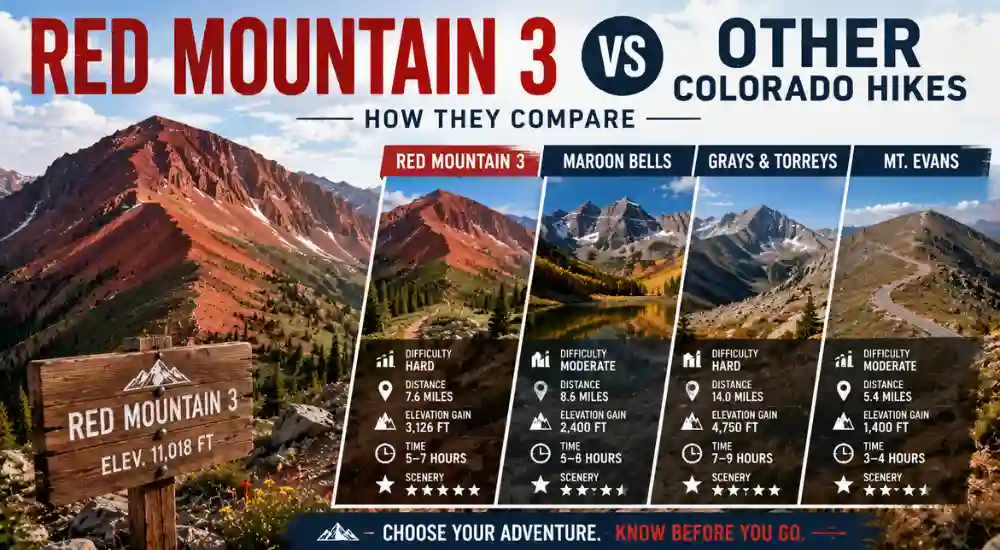
Red Mountain 3 vs Other Colorado Hikes
Not all Colorado hiking trails offer the same experience, and Red Mountain 3 stands out in a very specific way.
When to Choose It
Choose the Red Mountain 3 hike if you want:
- A short hike with big visual rewards
- Easy roadside access from Red Mountain Pass
- Unique red-colored mountain scenery
- A quick summit-style experience
It’s perfect for travelers on a tight schedule.
When to Skip It
You may want to skip it if:
- You prefer clearly marked trails
- You are sensitive to high altitude
- You want a long, forested hiking experience
- You are not comfortable with loose scree terrain
In those cases, other San Juan Mountains hikes may suit you better.
Is Red Mountain 3 Worth It?
After considering difficulty, scenery, and accessibility, the Red Mountain 3 hike in Colorado is absolutely worth it for the right type of hiker.
Honest Verdict
This is a short but high-reward hike. It delivers incredible views without requiring a full-day commitment, but it does demand respect due to altitude and terrain.
Who Will Love It
- Hikers looking for quick alpine adventures
- Photographers chasing unique mountain colors
- Road trippers along the Million Dollar Highway
- Intermediate hikers wanting a short challenge
Who Might Not Enjoy It
- Beginners unfamiliar with altitude hiking
- People expecting a clearly marked trail
- Those uncomfortable with loose, steep terrain
Nearby Hikes & Things to Do
If you are already exploring the Red Mountain 3 hike in Colorado, you are in one of the most scenic parts of the San Juan Mountains. This area is full of other hikes and road trip stops that are worth adding to your itinerary.
Other San Juan Hikes
Nearby hiking options include:
- Red Mountain 1 and Red Mountain 2 for similar but slightly different summit experiences
- Trails around Ouray, often called the “Switzerland of America”
- Hiking routes near Silverton, offering alpine lakes and high passes
- Various Colorado hiking trails with forest and waterfall views
This region is ideal if you want to explore multiple hikes in one trip.
Scenic Drives
One of the biggest highlights near the Red Mountain Pass hiking area is the famous Million Dollar Highway (U.S. 550).
- Dramatic mountain cliffs and drop-offs
- Bright red and orange mountain landscapes
- Unforgettable views between Ouray and Silverton
Even if you only come for the drive, it is still worth the visit.
FAQs
How hard is Red Mountain 3 hike?
The Red Mountain 3 hike difficulty is considered easy to moderate, but loose rock, steep sections, and high altitude can make it feel more challenging.
How long does it take?
Most hikers complete the Red Mountain 3 trail in about 2 to 4 hours, depending on pace and weather conditions.
Do you need 4WD?
No, you do not need a 4WD vehicle. The Red Mountain 3 trailhead is accessible via paved roads from Red Mountain Pass.
Is it beginner friendly?
It is suitable for fit beginners, but not ideal for absolute beginners due to altitude and off-trail navigation on the Red Mountain 3 Colorado hike.
Is Red Mountain 3 dangerous?
It is not extremely dangerous, but risks include loose scree, altitude sickness, and sudden weather changes in the San Juan Mountains.
Is Red Mountain 3 dog-friendly?
Yes, dogs can technically do the hike, but steep terrain, loose rock, and altitude mean it is only suitable for experienced hiking dogs.
Final Thought
The Red Mountain 3 hike in Colorado is a short but unforgettable adventure. It combines unique red-colored landscapes, high-alpine views, and easy roadside access, making it one of the most visually rewarding hikes in the San Juan Mountains.
It is not the easiest trail, but for hikers who are prepared, it offers a perfect balance of challenge and beauty. If you want a quick hike that feels truly different from most Colorado hiking trails, Red Mountain 3 is absolutely worth adding to your list.